
That too.
The whole point is to hand the place back in the condition it was in when you moved in, or as close to it as your tenancy agreement requires.
In the UK, those standards are shaped by both legislation and whatever you signed on the day you collected the keys.
There is no single checklist that covers every situation. Your specific agreement and local regulations fill in a lot of the detail. What does stay constant is that the expected standard is high.
Miss something obvious, like the gap behind the fridge or the shelf under the bathroom sink, and you may find yourself in a dispute over how much of your deposit comes back. Landlords and letting agents inspect carefully, and they have seen every corner tenants tend to skip.
That is a big part of why many people bring in a professional cleaning company rather than tackle it themselves. Experienced cleaners know the spots that routinely get flagged on inspection reports, and they work to a standard that holds up to scrutiny. It takes a lot of the stress out of moving day, and it reduces the chance that one small oversight ends up costing you a chunk of what you put down.
What Does an End-of-Tenancy Cleaning Include?
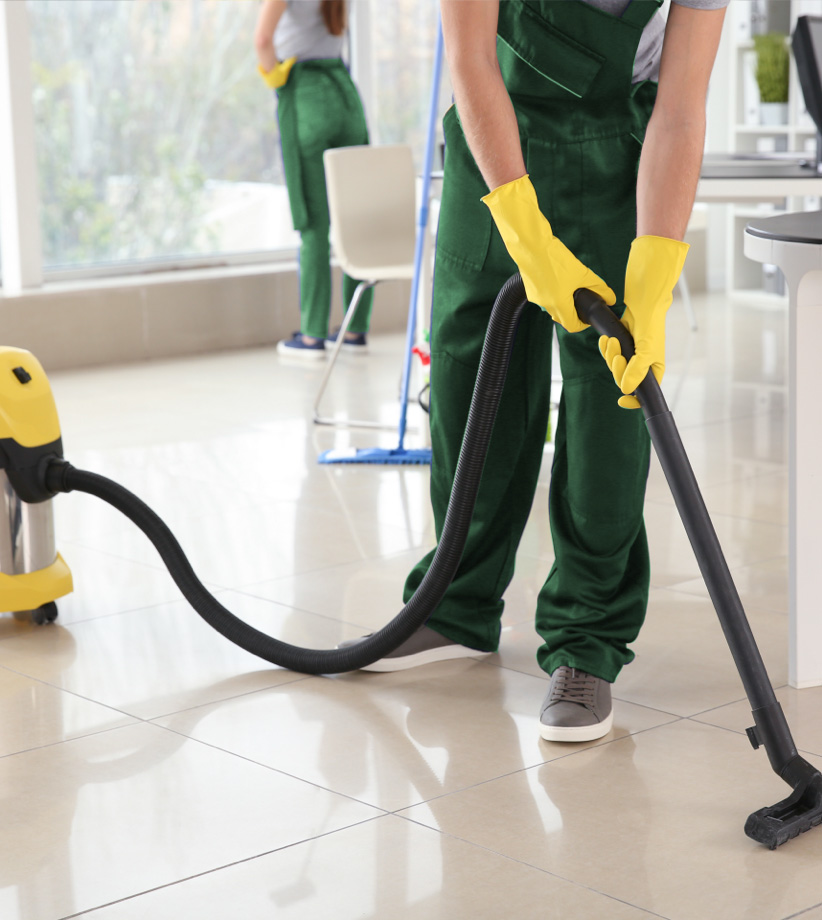
An end-of-tenancy clean is exactly what it sounds like: a thorough going-over of the entire property, covering everything most UK tenancy agreements require before you hand the keys back. Not a quick hoover and a wipe-down. The full works.
- Kitchen Cleaning: Counters, cabinets, and every appliance. Ovens, fridges, and dishwashers all get scrubbed inside and out.
- Bathroom Cleaning: Sinks, toilets, bathtubs, and showers are cleaned and disinfected. Every fixture gets washed, no spots left behind.
- Living Spaces: Carpets and floors are vacuumed or mopped. Dust gets wiped off every surface, and windows see some attention too.
- Bedrooms: All carpets are vacuumed, furniture gets dusted, and surfaces and mirrors are polished for a clean finish.
Depending on the property, the job can stretch further: upholstery cleaning, steam-cleaning carpets, clearing cobwebs from ceilings and corners. What’s actually required comes down to your landlord or agent, and it should be spelled out in your tenancy contract. Oven cleaning is almost always on the list, because UK tenancy rules pretty consistently call for it.
Bringing in professionals takes a lot of the stress out of the process, particularly if getting your full deposit back matters to you. They know what letting agents are looking for and deal with the kind of details that are easy to miss when you’re juggling a move. Fewer missed spots means less chance of deductions or a dispute over the condition of the place.
Is It Worth Getting an End-of-Tenancy Clean?
For most tenants, yes. A professional end-of-tenancy clean is one of the more straightforward ways to protect your deposit before you’ve even handed back the keys. Nearly every rental agreement requires you to leave the property in the same condition you found it, and UK tenancy cleaning standards have tightened considerably over the years. Skipping a thorough clean hands landlords a clear, documented reason to make deductions.
Professional cleaners go further than a standard tidy-up. Carpets, ovens, extractor fans, the space behind appliances - these are exactly the spots landlords check during inspections, and exactly the spots most tenants miss. An experienced team knows the checklist because they’ve seen what gets flagged.
If your tenancy agreement sets out specific cleaning expectations, hiring a service is less about convenience and more about compliance. You may be breaching terms you haven’t read closely enough to notice.
The upfront cost can feel steep. Weighed against losing part or all of your deposit, though, and the hassle of a formal dispute, most tenants find it comes out favourably. Getting your full deposit back without argument tends to be worth more than the invoice.
Does End-of-Tenancy Cleaning Include an Oven?
If you’re moving out of a rental in the UK, you probably already know the oven isn’t something to gloss over. Most tenancy agreements spell it out directly: leave it dirty and you can expect a fight over your deposit. Landlords and agents don’t just look for obvious crumbs either. They pull out the racks, run a finger along the corners, check the door seal. Sometimes it feels like they’re looking for a reason. “Clean” in this context doesn’t mean a once-over with a damp cloth. It means nothing less than spotless. Grime, grease, streaks, all of it has to go. The standard is usually stricter than tenants expect.
Professional cleaners know this well. Deep oven cleaning comes as standard with any end-of-tenancy package worth the money. There’s a practical reason for that: UK tenancy cleaning laws don’t let you skip major appliances, and even a single neglected oven tray can cost you. Let a dirty oven slide, and losing part of your deposit becomes more likely than not.
One renter put it plainly, saying that getting a professional team in “was invaluable for meeting the landlord’s stringent return conditions.” That’s how much it matters. The oven isn’t just another checkbox. For a lot of tenants, it’s the one thing that decides whether they walk away with their full deposit or not.
A vetted cleaning company won’t treat it as an afterthought. The oven gets a thorough clean every time, same as the rest of the property. That’s the most straightforward way to avoid a last-minute panic and to actually meet the standard your agreement requires.
How Much Does an End-of-Tenancy Clean Cost?
There’s no single fixed price. Costs shift depending on where you live, how big the property is, and what your letting agreement actually requires. That said, most people end up paying somewhere between £80 and £400.
What Drives the Cost?
- Property Size: A studio flat and a four-bedroom family home are worlds apart in cleaning time. More rooms and more square footage means more hours on the job, and that feeds directly into the final bill.
- Location: London and other major cities consistently attract higher rates. Renting somewhere more rural or in a smaller town, you’ll generally pay less.
- Service Level: A basic clean won’t always cut it. Add carpet cleaning, upholstery, or a proper deep clean to the scope and the price rises accordingly.
Typical Price Ranges
- Studio or One-Bedroom: Expect to pay somewhere in the region of £85 to £130.
- Two to Three Bedrooms: For an average-sized home, costs typically fall between £140 and £250.
- Four Bedrooms or More: Larger properties start at around £280, and that figure climbs if specialist services or extra rooms are involved.
Many cleaning companies include a re-clean guarantee as standard. If something gets missed on the day, they’ll come back and sort it. That kind of assurance goes a long way toward meeting UK tenancy cleaning requirements and gives you a much better chance of getting your deposit back in full.
What Are the End of Tenancy Cleaning Laws in the UK?
If you’re nearing the end of a tenancy, you might expect some clear piece of legislation to spell out exactly what you owe your landlord in terms of cleaning. There isn’t, really. What actually governs the situation is your tenancy agreement, read alongside the general housing rules that apply to everyone. Most landlords want the property left in good condition before releasing your full deposit, and the specific expectations almost always come from the contract you signed on day one. The system is meant to be fair, but the detail is in the paperwork.
Key Legal Points
- Tenancy Agreements: Cleaning expectations are written into your tenancy agreement, not handed down by a single law. If the contract sets out what standard of clean is required, you’re expected to meet it. Ignore what’s written there and you risk a deposit dispute, or worse.
- Deposit Protection: Your deposit must be held in a government-approved scheme. If a cleaning dispute arises, an independent adjudicator looks at the evidence from both sides and decides how much, if any, of the deposit the landlord can keep. Their decision is what matters.
- Reasonable Wear and Tear: Landlords cannot deduct from your deposit simply because you lived in the property. Scuffs on skirting boards, faded paintwork, that sort of thing, these are expected. What they can challenge is genuine neglect, accumulated grime, or damage that goes well beyond everyday use.
Importance of Professional Cleaning
Some tenancy agreements go further and require you to use a professional cleaning service before handing back the keys. Cleaners who specialise in end of tenancy work know the checklist that agents and landlords run through. That’s precisely why booking one can take a lot of the uncertainty out of getting your deposit back in full.
If you’re unsure what standard your contract demands, read it again carefully. Still unclear? A brief conversation with a solicitor is worth more than guessing. A little extra effort before you move out can prevent a drawn-out dispute once it’s time for that deposit to be returned.
Where Can I Find an End of Tenancy Cleaning Checklist PDF?
Moving out? The difference between a full deposit refund and a frustrating list of deductions often comes down to how thoroughly you clean, and whether you’ve actually covered everything your landlord expects. Finding a decent, downloadable end of tenancy cleaning checklist in the UK isn’t difficult. The real question is where to look for one that reflects what landlords and letting agents genuinely care about.
Recommended Sources
- UK Government Websites: Official checklists built around standard tenancy terms are sometimes available through government sites. These tend to be straightforward. If a task appears on the sheet, your landlord almost certainly expects it done, no grey areas.
- Property Management Firms: Most letting agents are specific about what they want. Many will hand outgoing tenants their own PDFs or online guides, laying out exactly what’s on the inspection list, room by room, before you return the keys.
- Cleaning Service Providers: A good number of professional cleaning companies publish their checklists online, free to download or print. These get into the detail, surfaces, appliances, the inside of cupboards, so there’s no guessing on inspection day. Worth a look, since letting agents often work to the same standards.
The sensible approach is to pull checklists from these sources, then compare them against your own tenancy agreement. Work through both, tick off every requirement, and you’re far less likely to face surprises when the inspection comes around.
What Are the End of Tenancy Cleaning Laws for UK Private Landlords?
If you’re renting in the UK, you might expect a stack of government regulations spelling out exactly what “clean” means when you move out. In practice, the law doesn’t provide that list. What matters, in almost every case, is what your tenancy agreement actually says. That document is where the real detail lives, and it’s almost always tied directly to your deposit.
Key Considerations
- Detailed Agreements: Many landlords are specific about what they expect you to clean, sometimes right down to cooker knobs and window sills. At minimum, you’re expected to hand the property back in the same condition it was in when you moved in. That said, don’t lose sleep over the odd scuff mark or small chip. Ordinary wear and tear is not supposed to cost you a penny.
- Deposit Disputes: If your landlord claims the place isn’t clean enough and wants to hold back part of your deposit, you can take the matter to an independent adjudicator. The single most useful thing you can do is photograph everything on move-out day. Good documentation is hard to argue with if things go that far.
- Legal Obligations: No specific law sets a cleanliness standard for rented properties. The tenancy agreement governs the situation. Landlords cannot deduct from your deposit for the light stains and minor marks that come from normal everyday use. Leave behind a significant mess, though, and they are well within their rights to put some of your deposit toward a professional clean.
The simplest way to avoid problems is to read your tenancy agreement well before your move-out date, not the night before. Many tenants bring in professional end of tenancy cleaners precisely because they know what landlords look for and can take a lot of the pressure out of that final inspection.
Final Thoughts on End of Tenancy Clean
Leaving a rented flat in the UK isn’t just a case of loading up a van and handing back the keys. If you want your deposit returned in full, the property needs to go back in the same condition it was in when you moved in. Most tenancy agreements spell this out clearly, and the law backs it up, so it really is worth knowing what’s expected before that final inspection comes around.
- Hand a property back dirtier than your contract allows, and you’re not just risking a landlord’s bad mood. You could lose a chunk of your deposit. These disputes are far more common than most tenants expect.
- Some jobs, like oven scrubbing or properly deep cleaning areas that have been left for months, are written into most UK tenancy agreements. For those, bringing in professionals often isn’t a luxury. It may simply be the only realistic way to meet the required standard.
- Working from a checklist that actually reflects your contract makes the whole process far more manageable. You focus on what genuinely needs doing rather than trying to cover everything at once and missing the things that matter.
- Once you understand what your contract and UK tenancy law actually require, a lot of the uncertainty disappears. You’re not second-guessing yourself or scrambling to remember what you might have missed.
- A good cleaning company goes beyond the visible surfaces. They know what landlords and letting agents check against, and they work through the detail so nothing gets flagged on inspection day.
Don’t leave it to the last minute. Book your end of tenancy clean early, use people who know UK standards well, and you give yourself the best chance of getting your deposit back without a fight.
Frequently Asked Questions (FAQs)
What is an end of tenancy clean?
You’re nearly out the door, keys in hand, ready to leave the property behind. That’s the moment an end of tenancy clean becomes relevant. It’s not a quick run-round with the hoover. It’s a thorough, methodical clean done to the standard your landlord or letting agent expects, and in the UK, rental agreements usually spell those standards out in some detail.
What does an end-of-tenancy cleaning include?
Everything gets attention, not just the obvious surfaces. Carpets and hard floors are vacuumed, skirting boards scrubbed, and the bulk of the work tends to fall on the kitchen, bathrooms, and bedrooms. The oven gets its own focus. Most professional cleaners work from a checklist, going room by room to make sure every point in your tenancy agreement is covered.
Is it worth getting an end-of-tenancy clean?
In most cases, yes. Professional cleaners know what letting agents and landlords look for, and a proper job gives you a real shot at getting your full deposit back. Cut corners here and you risk deductions, because inspectors work to strict benchmarks when they check the property after you leave.
Does end-of-tenancy cleaning include an oven?
Almost always. The oven is one of the first things landlords check, and it’s a frequent cause of deposit disputes. A wipe-down isn’t enough. It needs to look genuinely clean, and reputable cleaning companies treat oven cleaning as a standard part of the job, not an add-on.
How much should I expect to pay for an end-of-tenancy clean?
It depends on your location and the size of the property. For a smaller flat you might pay as little as £80; a large house or one that needs serious work could run to £400. The final price reflects the number of rooms, where you are in the country, and the overall condition of the place.
What are the end of tenancy cleaning laws in the UK?
There’s no single piece of legislation that defines exactly what “clean enough” means. What actually governs this is your tenancy agreement. That contract sets out the cleaning requirements tied to your move-out and your deposit, and it’s what letting agents and landlords refer back to when assessing the property.
Where can I find an end of tenancy cleaning checklist PDF?
Plenty of sources have them. Government websites, letting agents, and cleaning companies all publish checklists you can download. Going through one line by line before the inspection is a sensible habit. It’s easy to miss something small that ends up delaying the return of your deposit.
What are the end of tenancy cleaning laws for UK private landlords?
Again, the tenancy agreement is what counts. Private landlords typically use it to define the cleaning standard expected at move-out, accounting for fair wear and tear. These expectations are usually set out before the tenancy even starts, which removes most of the ambiguity if there’s a disagreement later.
Can end-of-tenancy cleaning affect my deposit?
Yes, directly. If the property falls short of the agreed standard, or if jobs like the oven get skipped, you’re likely to see deductions. Bringing in professionals improves your chances of getting the full deposit back without a dispute.
Is professional cleaning required by law?
No, the law doesn’t require you to hire a professional cleaner. That said, it’s worth reading your rental agreement carefully, because some landlords do include it as a contractual requirement. If yours does, booking professionals is the straightforward way to protect your deposit and avoid any back-and-forth once you’ve moved out.
Care N Tidy’s end of tenancy cleaning restores properties to inspection standard across London and the wider UK.