Care N Tidy Eco-Friendly Cleaning Products You’ll Love

About Us - Care N Tidy

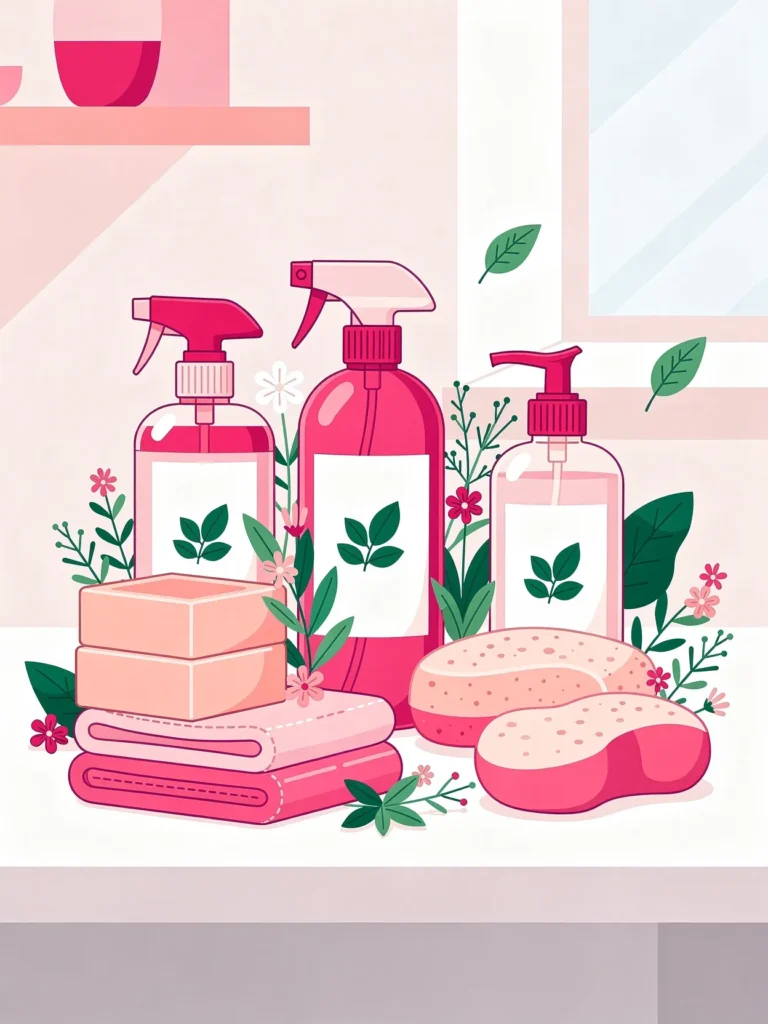
Eco-friendly cleaning products are formulations built from plant-derived ingredients that clean effectively while reducing harm to skin, indoor air, and waterways. This guide explains what makes a cleaning product eco-friendly, which ingredients to avoid, which eco products suit each room and surface, how they compare to conventional cleaners, and which safe do-it-yourself options work at home. Care N Tidy uses eco-safe products on every job, so this article sets out the standards behind those choices.

What Makes a Cleaning Product Eco-Friendly?

A cleaning product is eco-friendly when its ingredients break down safely in the environment, come mainly from renewable plant sources, and carry independent proof of reduced impact. Four attributes separate a genuine eco product from a marketing claim: plant-based surfactants, biodegradability, recognised certification, and low-waste packaging.

Plant-Based Surfactants

Surfactants are the active agents that lift grease and dirt away from a surface so water can rinse them off. Plant-based surfactants derive from coconut, corn, or sugar rather than petroleum. Common examples include decyl glucoside and lauryl glucoside, both made from plant sugars and fatty alcohols. Plant-based surfactants clean through the same mechanism as synthetic ones and break down faster once they enter drainage systems.

Biodegradability

Biodegradability measures how completely a substance decomposes into water, carbon dioxide, and mineral matter through microbial action. A readily biodegradable cleaner breaks down by at least 60 percent within 28 days under the OECD test standard used across the European Union and the United Kingdom. Products that fail this standard can persist in rivers and soil and accumulate over time.

Recognised Certifications

Certification gives an independent check on green claims. The strongest labels to look for are listed below.

  • EU Ecolabel: An official European scheme that limits toxic ingredients, caps packaging waste, and sets biodegradability thresholds across the product life cycle.
  • Nordic Swan: A Scandinavian ecolabel with strict criteria on chemical content and environmental impact.
  • Leaping Bunny: The recognised standard for cruelty-free products, confirming no animal testing at any production stage.
  • Vegan certification: Confirms the formula contains no animal-derived ingredients such as lanolin or beeswax.

A certified label carries more weight than an unverified phrase such as “natural” or “green,” which no regulation controls.

Refillable and Concentrate Formats

Refillable bottles and concentrated formulas cut plastic and transport emissions. A concentrate ships in a small sachet or tablet that the user dilutes at home, which removes the need to move heavy pre-mixed water across the country. Refill stations and returnable containers reduce single-use plastic further. Both formats lower the packaging footprint without changing cleaning strength.

Which Ingredients Should Eco-Friendly Products Avoid?

Eco-friendly products exclude ingredients that harm health or persist in the environment. The main ingredients to avoid are listed below.

  • Chlorine bleach (sodium hypochlorite): Releases irritant fumes and forms harmful compounds when it reacts with other chemicals.
  • Ammonia: Irritates the eyes and airways and produces toxic gas if mixed with bleach.
  • Phosphates: Feed algae blooms in rivers and lakes, which strip oxygen from the water.
  • Triclosan: An antibacterial agent linked to aquatic toxicity and resistance concerns.
  • Phthalates: Often hidden inside the word “fragrance” and associated with hormone disruption.
  • Parabens: Synthetic preservatives that can persist in water systems.
  • Quaternary ammonium compounds (quats): Disinfectants that can trigger asthma and skin sensitivity.
  • Optical brighteners and synthetic dyes: Additives that stay on fabric and do not biodegrade readily.

A short, readable ingredient list is one of the clearest signals of a cleaner formulated for lower impact.

Eco-Friendly Cleaning Products by Room and Surface

Different rooms need different eco formulations because surfaces and soil types vary. The right product matches the surface it treats.

Kitchen

Kitchen surfaces collect grease, food residue, and hard-water marks. A plant-based degreasing spray with citrus-derived solvents cuts through cooking oil on worktops and hobs. For limescale on kettles and taps, a diluted acid such as citric acid removes deposits without the fumes of stronger descalers.

Bathroom

Bathrooms need products that lift soap scum and control mould while remaining gentle on frequent contact. Lactic-acid or citric-acid based bathroom cleaners dissolve limescale and soap film on tiles, taps, and glass screens. Hydrogen peroxide based sprays offer an eco-preferred disinfecting option in place of chlorine bleach.

Floors

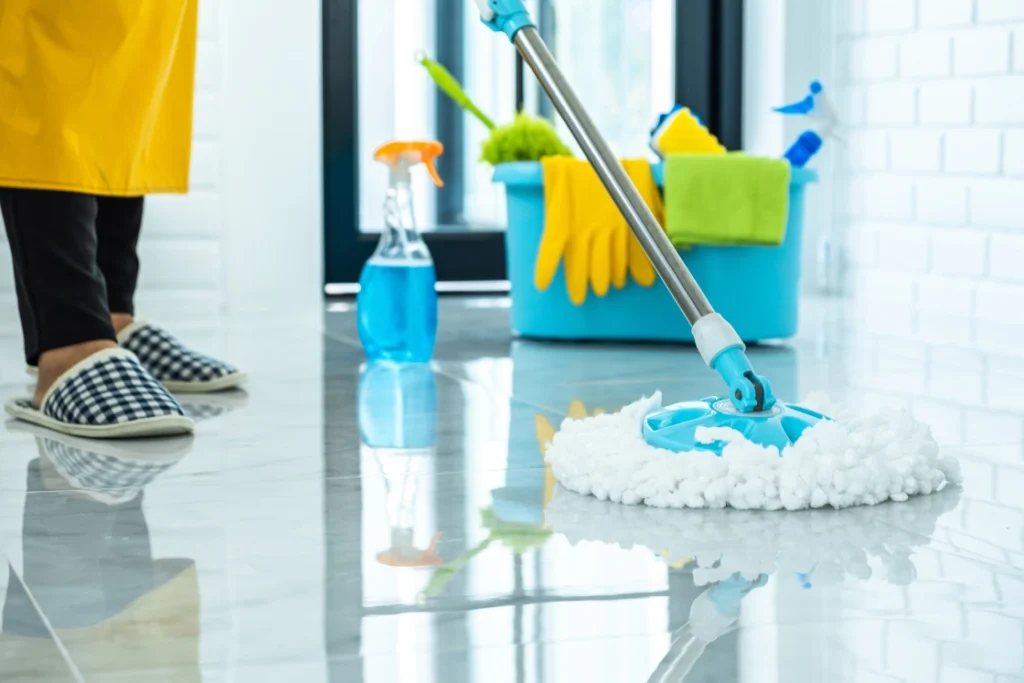
Floor cleaners must match the flooring material to protect its finish. A pH-neutral plant-based floor cleaner suits sealed hardwood, laminate, and tile because it cleans without stripping protective coatings. Concentrated floor formulas dilute in a bucket, which reduces packaging per wash.

Glass and Mirrors

Glass needs a streak-free formula with fast evaporation. An eco glass spray built on plant-based alcohol and a trace of surfactant clears smears from windows and mirrors and dries without residue. Diluted white vinegar performs the same task at lower cost.

Laundry

Laundry products carry a large share of a household’s chemical load because they run so often. Plant-based laundry liquids and strips use enzymes to break down protein and grease stains at lower wash temperatures, which also saves energy. Concentrated strips and refill boxes remove the heavy plastic jug entirely.

Carpets and Upholstery

Carpets and soft furnishings hold odour and embedded soil that need low-residue treatment. Plant-based carpet shampoos lift stains and neutralise smells without the synthetic solvents that can leave a sticky film attracting new dirt. A professional carpet and upholstery cleaning service pairs eco products with hot-water extraction to rinse residue fully from the fibres.

Are Eco-Friendly Products as Effective as Conventional Cleaners?

Eco-friendly products clean to the same standard as conventional cleaners for the great majority of household tasks. Plant-based surfactants remove grease, food residue, and general soil as reliably as petroleum-based ones. Enzyme cleaners often outperform harsh chemicals on protein and organic stains such as blood, food, and pet accidents.

One difference is disinfection. Chlorine bleach acts fast against a very broad range of germs, while eco disinfectants based on hydrogen peroxide, lactic acid, or thymol may need a longer contact time on the surface to reach the same result. Leaving an eco disinfectant to sit for the time stated on the label closes most of that gap.

Which DIY Eco-Friendly Cleaning Options Work at Home?

Three low-cost pantry ingredients handle many everyday cleaning jobs: bicarbonate of soda, white vinegar, and castile soap. Each has a defined use and a safety limit.

Bicarbonate of Soda

Bicarbonate of soda is a mild alkaline powder that scrubs and absorbs odour. It cleans sinks, removes tea stains from mugs, and deodorises carpets and fridges when sprinkled and left before vacuuming. Its mild abrasion suits stainless steel and ceramic, but it can scratch soft surfaces such as glass hobs and acrylic, so test a small area first.

White Vinegar

White vinegar is a dilute acetic-acid solution that dissolves limescale and cuts grease. It descales kettles and showerheads, clears mineral marks from glass, and freshens drains. White vinegar must never touch natural stone such as marble, granite, or limestone because the acid etches the surface. It also damages waxed wood and unsealed grout, so keep it to sealed and non-porous surfaces.

Castile Soap

Castile soap is a vegetable-oil soap, usually olive or coconut based, that works as a gentle all-purpose cleaner. Diluted in water it cleans floors, worktops, and washable surfaces. Castile soap must not be combined with vinegar or any acid in the same mix, because the acid breaks the soap apart and leaves a white curd that dirties the surface rather than cleaning it.

Safe-Use Rules for DIY Cleaners

Homemade cleaners follow the same safety logic as shop-bought ones. Never mix vinegar or any acid with chlorine bleach, because the reaction releases toxic chlorine gas. Label every reused bottle clearly, store all mixtures away from children and pets, and open a window when cleaning to keep air moving.

When Does a Professional Eco-Clean Make Sense?

A professional eco-clean makes sense when a home needs deeper, faster, or more consistent results than a routine wipe-down provides. Trained cleaners match each eco product to the surface, apply the correct dilution, and give disinfectants their full contact time, which raises the result while keeping chemical exposure low. Larger homes, busy households, tenancy move-outs, and allergy-sensitive families gain the most from a scheduled service.

Care N Tidy supplies vetted, fully insured cleaners who bring eco-safe products to every visit. A regular domestic home cleaning service keeps the chemical load in a home low across the year, and the team covers London and the wider UK. Booking takes minutes and includes a free quote.

Frequently Asked Questions

Are eco-friendly cleaning products safe for pets and children?

Eco-friendly products reduce exposure to harsh irritants and fumes, which lowers risk for pets and children. All cleaning products, eco or not, should still be stored out of reach and used as the label directs.

Do eco cleaning products cost more than conventional ones?

Concentrates and refills often cost less per wash than pre-mixed bottles, because the user pays for active ingredients rather than water and packaging. Ready-to-use eco sprays can sit slightly above budget brands.

Does the word “natural” mean a product is eco-friendly?

No. No regulation controls the word “natural” on cleaning labels. Independent certification such as the EU Ecolabel or Nordic Swan gives a reliable signal, while an unverified claim does not.

Can I mix my own eco cleaners at home?

Yes. Bicarbonate of soda, white vinegar, and castile soap cover many jobs at low cost. Keep vinegar off natural stone, keep castile soap away from acids, and never combine any acid with bleach.

Do eco disinfectants kill germs as well as bleach?

Eco disinfectants based on hydrogen peroxide or lactic acid reduce a broad range of germs effectively when left on the surface for the full contact time stated on the label, which is usually a few minutes.

Last Thoughts on Eco-Friendly Cleaning Products

Eco-friendly cleaning products protect indoor air, skin, and waterways while cleaning to the standard a home needs. The reliable markers are plant-based surfactants, proven biodegradability, independent certification such as the EU Ecolabel, and low-waste packaging. Avoiding chlorine bleach, ammonia, phosphates, and hidden fragrance chemicals removes the highest-risk ingredients from a household. Simple pantry options extend green cleaning further when used within their safety limits. For homes that want the benefits without the guesswork, a professional eco-clean pairs the right product with the right method on every surface.

What do you think?
Leave a Reply

Your email address will not be published. Required fields are marked *

More Cleaning Tips & Hacks