

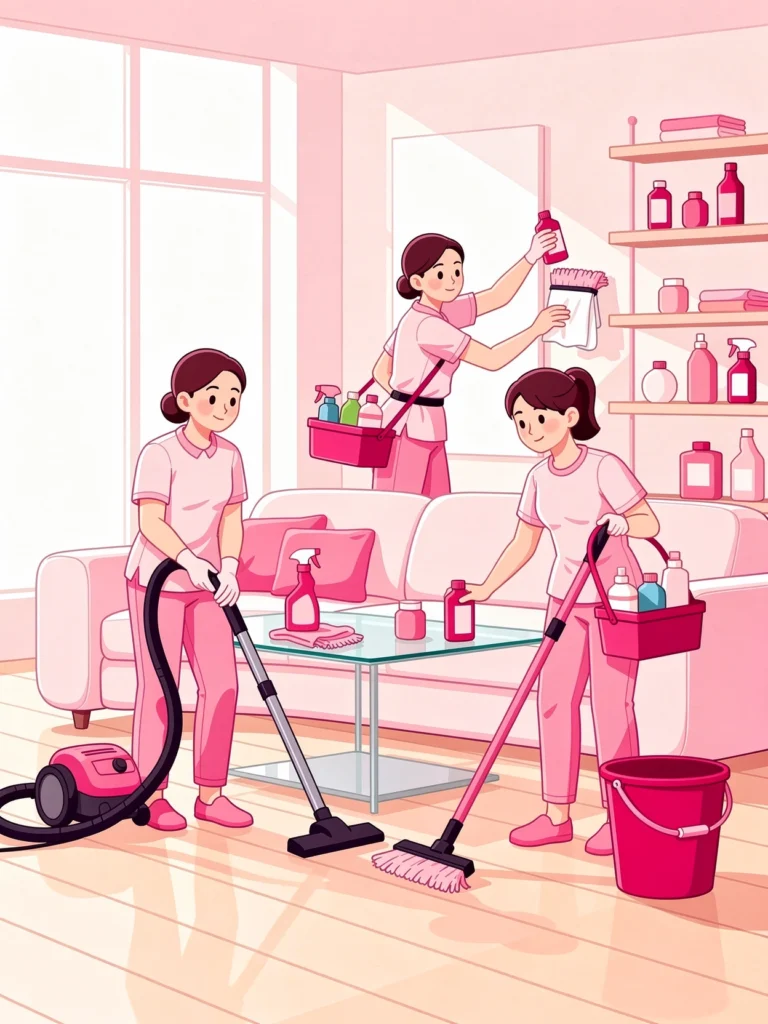
Cleanliness expectations in the UK have shifted quietly but decisively. What once counted as “tidy enough” now often falls short of modern norms in homes, rented properties, and workplaces. People notice details more. They expect consistency more. They are also more aware of hygiene, allergens, indoor air quality, and the risks of cross-contamination in shared environments.
Professional cleaning sits inside that shift. Not as a luxury add-on, but as a modern baseline in many settings where people want reliable outcomes, reduced risk, and a predictable standard of care. Professional cleaning is no longer optional in modern UK living. It has become the practical answer to a world where cleanliness is judged by results, not effort.
This guide explains what professional cleaning actually means in the UK context. It clarifies how it differs from casual or DIY cleaning, how standards are defined, and how systems and processes turn “cleaning” into something measurable, repeatable, and accountable.
What Is Professional Cleaning?
A definition that focuses on outcomes
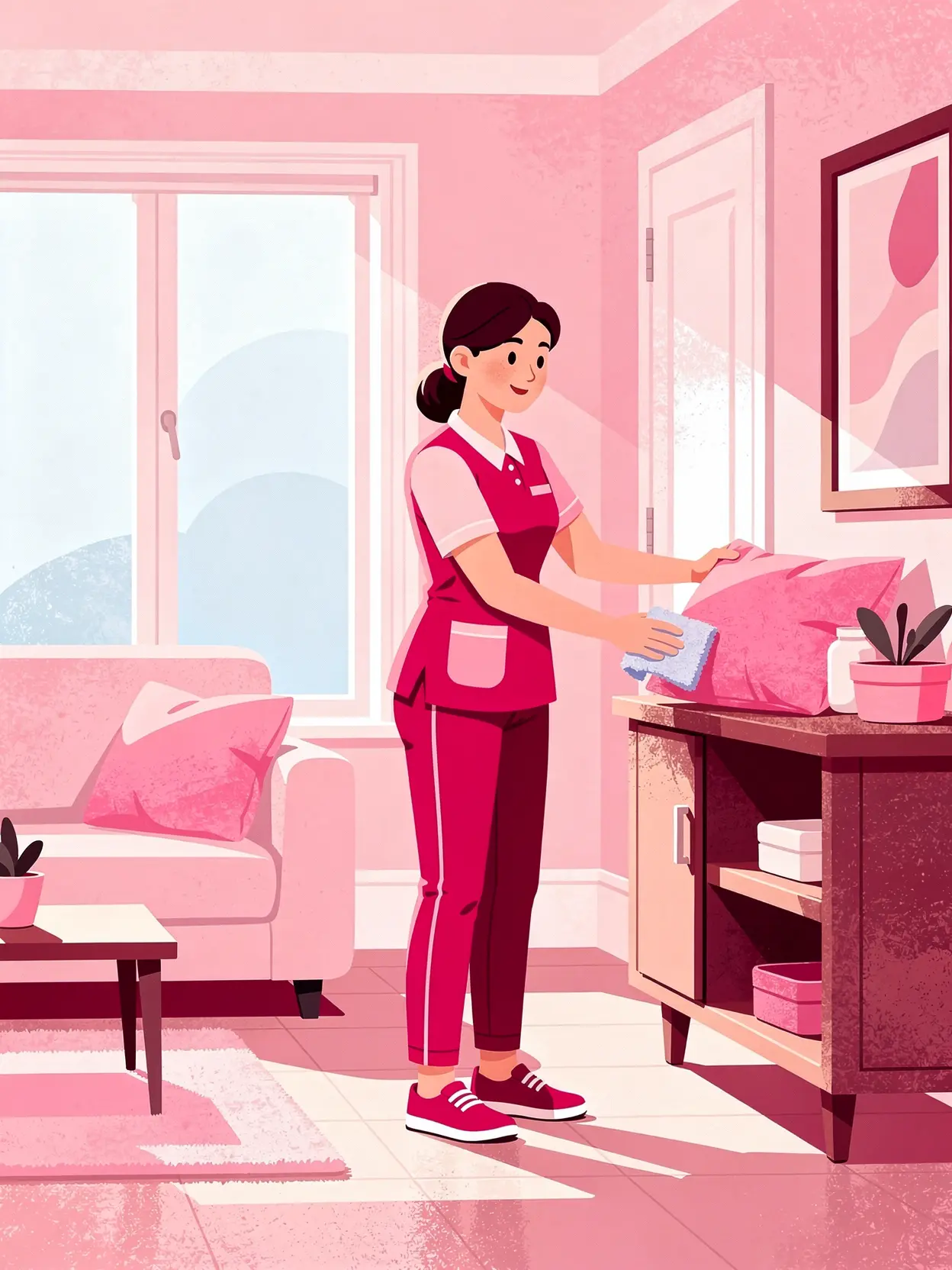
Professional cleaning is a structured service model that delivers consistent, measurable hygiene and presentation outcomes through trained methods, documented routines, and quality control. The emphasis is not on how hard someone works. It is on whether the result meets a defined standard.
In simple terms, professional cleaning replaces informal habits with a system. That system includes:
-
Clear scope and sequence of tasks
-
Standardised methods for surfaces and materials
-
Time and workflow discipline
-
Safety and hygiene protocols
-
Accountability through checking and recording
What separates professional cleaning from casual cleaning?
Casual cleaning often depends on personal preference. One person’s “clean” is another person’s “still needs work.” That is not a criticism. It is simply how informal cleaning works. It is subjective, variable, and rarely documented.
Professional cleaning is different because it is designed to be:
-
Repeatable. The standard should not change week to week.
-
Auditable. There is usually a checklist or verification method.
-
Risk-aware. Hygiene and safety are built into the routine.
-
Fit for purpose. Methods vary by environment, material, and usage.
Systems, accountability, and consistency
A useful way to understand professional cleaning is to think of it like any other professional service. The visible work is only one part. Behind it sits planning, training, process, and quality assurance.
Professional cleaning typically includes:
-
A defined workflow for each room type or zone
-
Agreed standards for what “finished” looks like
-
Escalation rules for issues like mould, limescale, grease build-up, or damage
-
A quality check, spot check, or sign-off step
That is why professional cleaning is often described as outcome-led. It is less about effort and more about delivering a consistent result that matches modern expectations.
Professional Cleaning Standards in the UK
Surface-clean vs inspection-ready cleaning
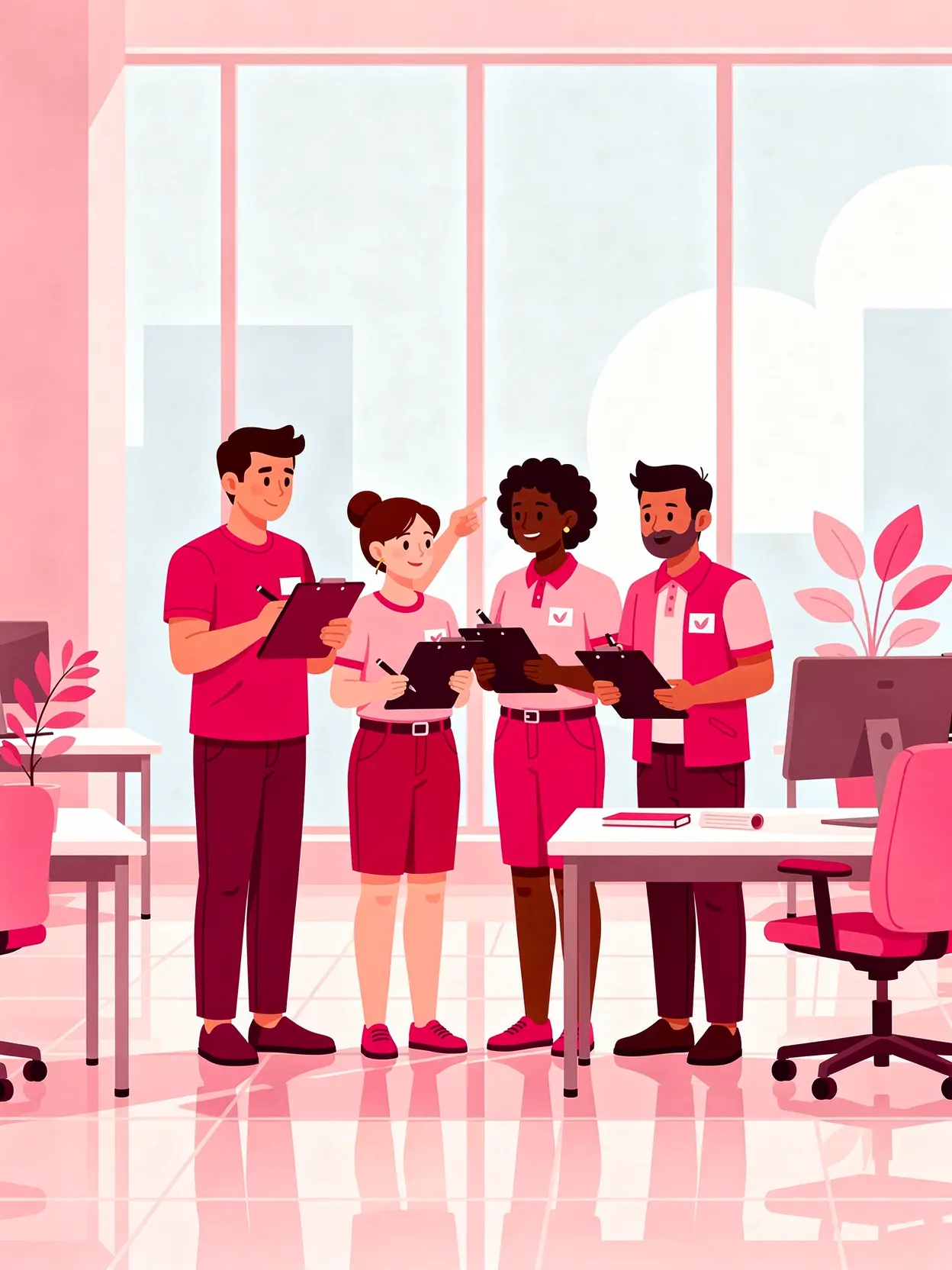
A common source of confusion is the gap between a surface clean and an inspection-ready clean.
-
Surface-clean focuses on what is immediately visible. It tends to prioritise quick wins, clear clutter, wipe the obvious surfaces, and improve appearance.
-
Inspection-ready cleaning aims for a deeper, more comprehensive finish. It includes edges, build-up zones, high-touch points, and areas that are often missed in informal routines.
Inspection-ready cleaning is not about perfection. It is about meeting an objective standard that stands up to scrutiny, including scrutiny from someone who did not do the cleaning.
Typical inspection-ready elements include:
-
Skirting boards, edges, and corners
-
Doors, handles, switches, and touchpoints
-
Inside-facing glass and internal marks
-
Grease build-up zones in kitchens
-
Limescale and soap residue zones in bathrooms
-
Dust accumulation points that return quickly if ignored
Why repeatability matters more than intensity
A key feature of professional cleaning standards is repeatability. A single deep clean can make a space look transformed for a day. A professional standard is designed to hold over time because it is maintained through consistent routines.
Repeatability depends on:
-
Standard operating procedures for key tasks
-
Defined frequencies, even if they are not written out publicly
-
Correct sequencing so tasks do not undo each other
-
The right dwell time for products and methods
-
A finishing process that catches missed details
When people say a place “stays cleaner for longer,” they are often noticing the effect of repeatable processes rather than extra effort.
Quality control and documentation
Professional cleaning standards usually rely on some form of quality control. This does not need to be complex. The point is verification.
Quality control might include:
-
Checklists per room or zone
-
Visual inspection steps at the end of a workflow
-
Photo documentation in certain contexts
-
Logging issues that require repair or specialist attention
-
Standard rework rules, if something does not meet the standard
Documentation supports consistency. It also reduces disputes because it clarifies what was intended and what was delivered.
Types of Professional Cleaning Explained
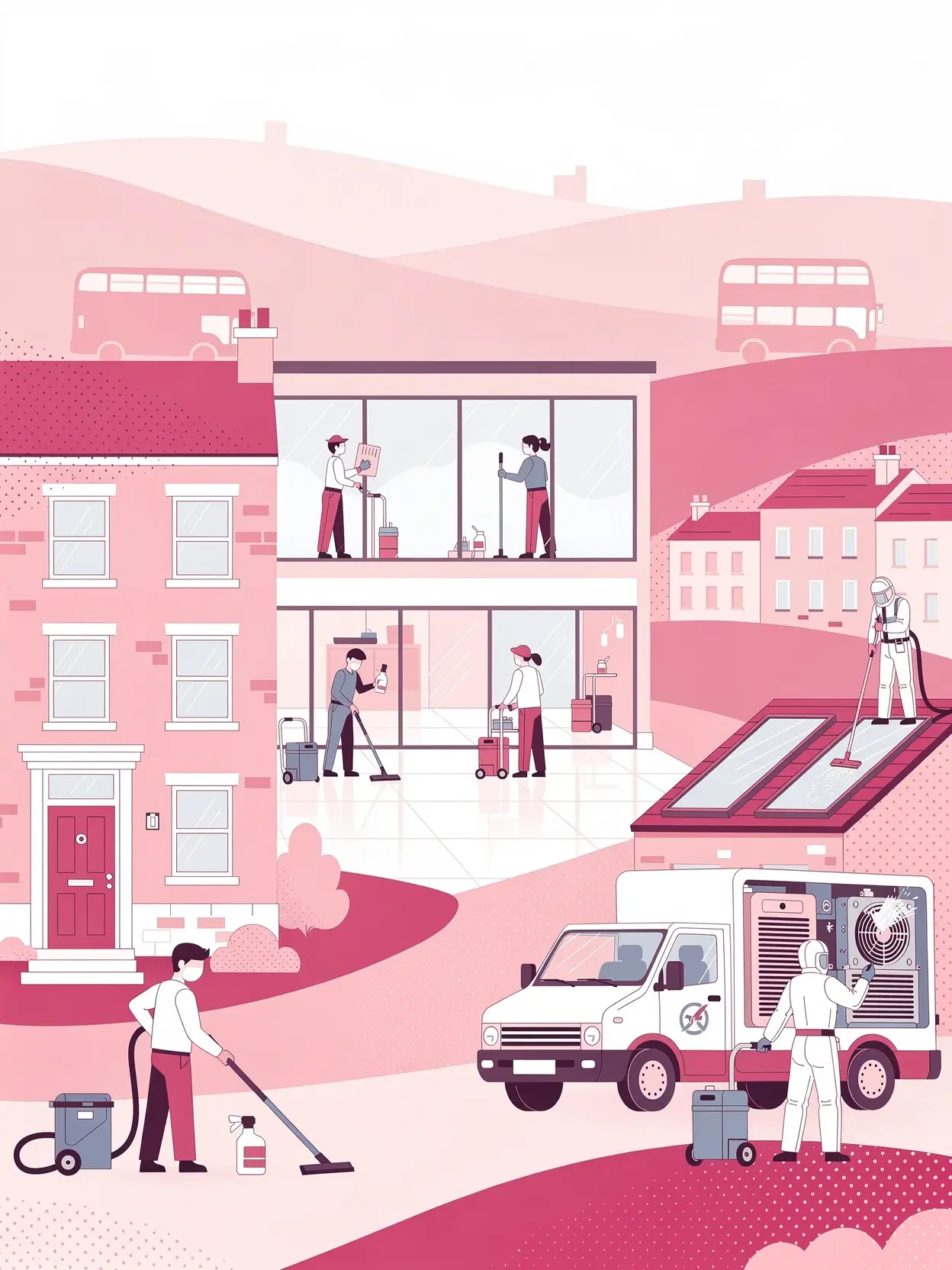
This section stays high-level on purpose. The goal is clarity, not promotion.
Domestic professional cleaning
Domestic professional cleaning refers to structured cleaning performed in homes where the focus is consistent hygiene and presentation standards. The complexity varies widely depending on lifestyle, occupancy, pets, materials, and how the home is used day to day.
Common domestic contexts include:
-
Routine maintenance of living spaces
-
Periodic deep hygiene resets
-
Post-renovation dust and residue clean-up
-
Pre and post-occupancy transitions, where standards are more rigorous
What makes it “professional” is the use of defined methods, training, and a repeatable system, rather than ad hoc tidying.
Commercial professional cleaning
Commercial professional cleaning applies to workplaces and shared environments. The expectation tends to be higher around:
-
Health and safety discipline
-
Cross-contamination prevention
-
High-touch point cleaning
-
Consistency across multiple areas
-
Documentation and accountability
The environment matters. Cleaning a small office, a shared washroom, a break area, and a reception space each involves different priorities and risk profiles.
Specialist professional cleaning
Specialist professional cleaning covers environments or problems that require specific methods, equipment, or safety controls. It may involve:
-
Higher contamination risk
-
Sensitive materials
-
Heavy build-up removal
-
Strict protocols to protect people and property
The defining feature is not intensity. It is appropriateness. Specialist work is professional because it matches method to context with a clear safety and quality framework.
How Professional Cleaning Is Delivered?
Structured workflows
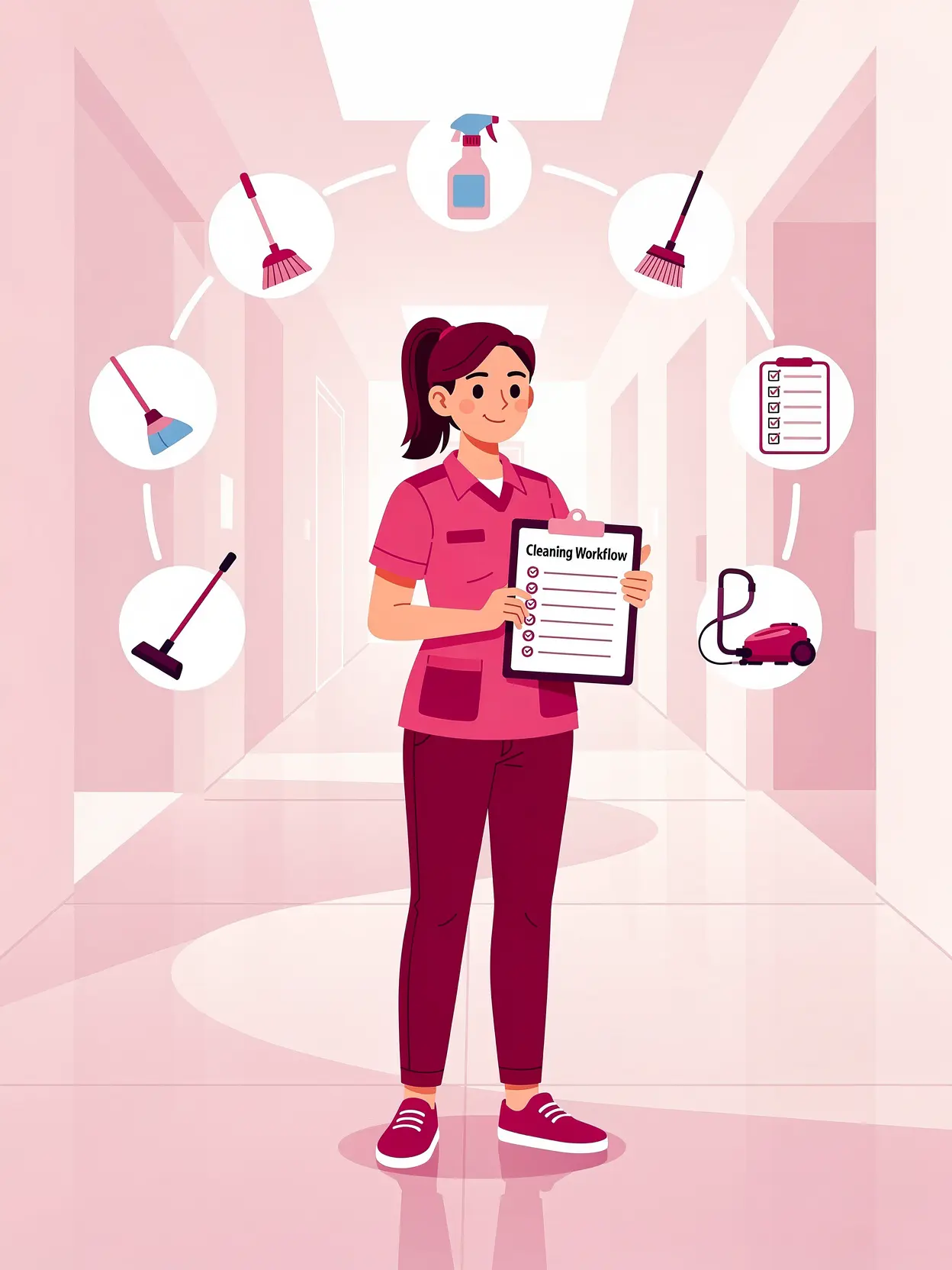
Professional cleaning systems rely on structured workflows. A workflow is simply the order and logic of tasks, designed to produce a consistent finish.
A typical workflow logic might include:
-
Start high, finish low
-
Dry tasks before wet tasks
-
Clean zones before detailing touchpoints
-
Containment first, then removal, then finishing
-
Final inspection and correction pass
The sequence matters. It prevents re-soiling and reduces the chance of missed areas.
Why protocols matter
Protocols are rules that keep results consistent and reduce risk. Without protocols, cleaning becomes personal habit again, which means quality drifts.
Protocols often cover:
-
Which cloths or tools are used for which areas
-
How to prevent transferring germs between zones
-
Which areas are treated as high-touch points
-
How to handle spills or biohazards safely
-
When to change water or replace consumables
Protocols make professional cleaning safer and more reliable, especially in shared environments.
Training and standardisation
Training is one of the clearest differences between informal cleaning and professional cleaning. Training is not only about “how to clean.” It is about learning:
-
What standard is required in different contexts
-
How to choose a method for a material or surface
-
How to avoid damage to finishes and fixtures
-
How to work efficiently without cutting corners
-
How to follow hygiene and safety routines consistently
Standardisation then turns training into repeatability. It reduces variation between cleaners and between visits.
Tools, Equipment, and Methods
Why professional tools differ from household ones?
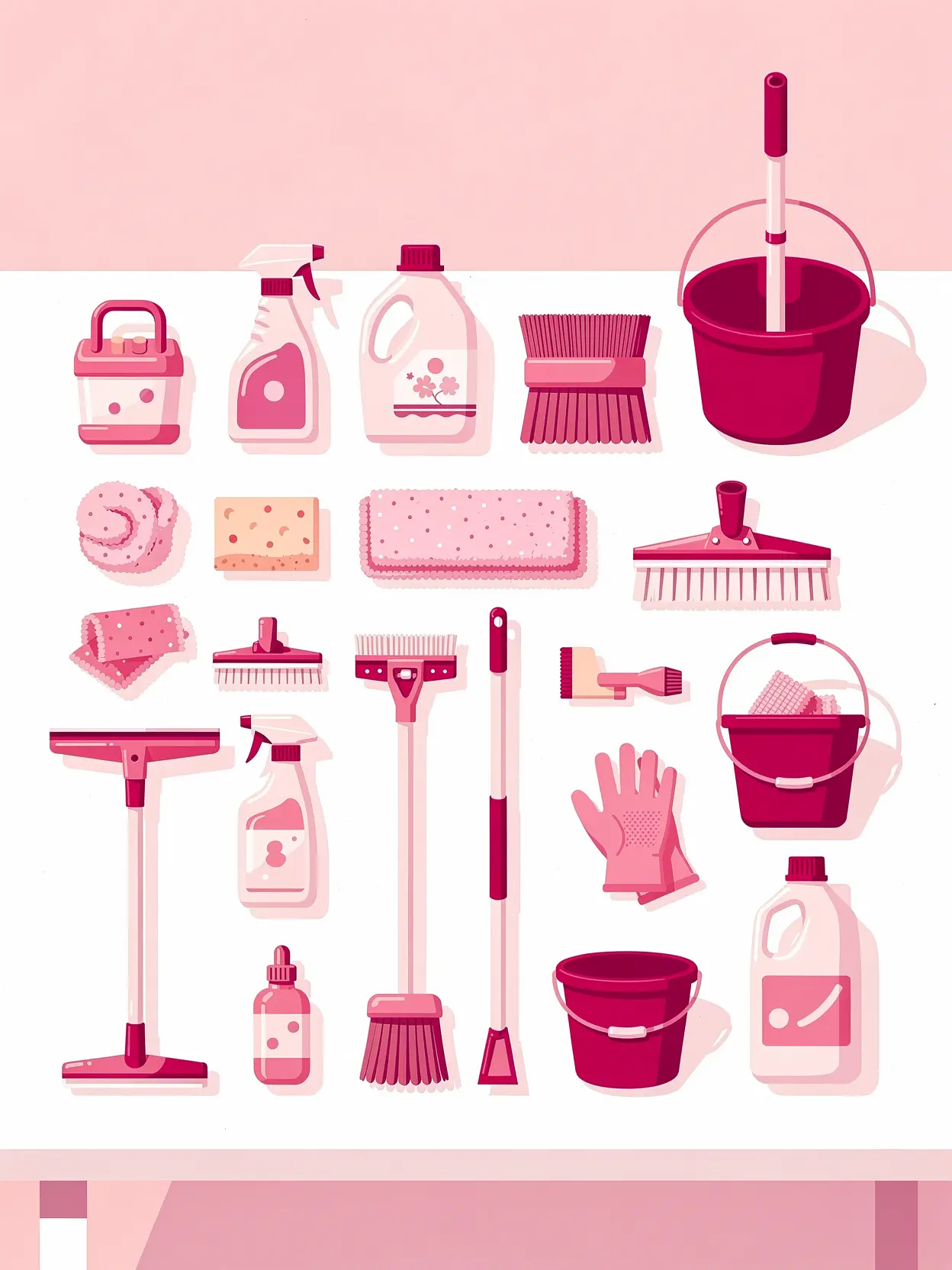
Household tools are designed for general use. Professional tools are selected for reliability, efficiency, and control. The difference is not “stronger is better.” The difference is purpose.
Professional cleaning tools tend to support:
-
Better reach and coverage
-
More consistent agitation or extraction
-
Safer use on different materials
-
Faster drying and better finishing
-
Reduced cross-contamination through tool separation
Dwell time explained in plain language
Dwell time is one of the most misunderstood ideas in cleaning.
Dwell time means allowing a cleaning product or method to work for the required period before wiping or rinsing. If a product is removed immediately, it may not have enough time to break down grease, lift soil, or reduce microbes effectively.
In practice, dwell time supports:
-
More consistent outcomes
-
Less scrubbing force, which reduces surface damage
-
Better removal of build-up like soap residue and grease
Professional routines often build dwell time into the workflow. That is one reason systems matter.
Cross-contamination prevention
Cross-contamination happens when dirt, germs, or chemicals move from one area to another because tools or processes are not separated.
Professional cleaning typically reduces this risk through:
-
Colour-coding cloths or tools by zone
-
Separate tools for bathrooms and kitchens
-
Fresh water routines and controlled disposal
-
High-touch point focus, especially in shared spaces
-
Clear “clean to dirty” movement rules
These practices are not about being dramatic. They are practical hygiene controls that protect people and property.
Health, Safety, and Compliance
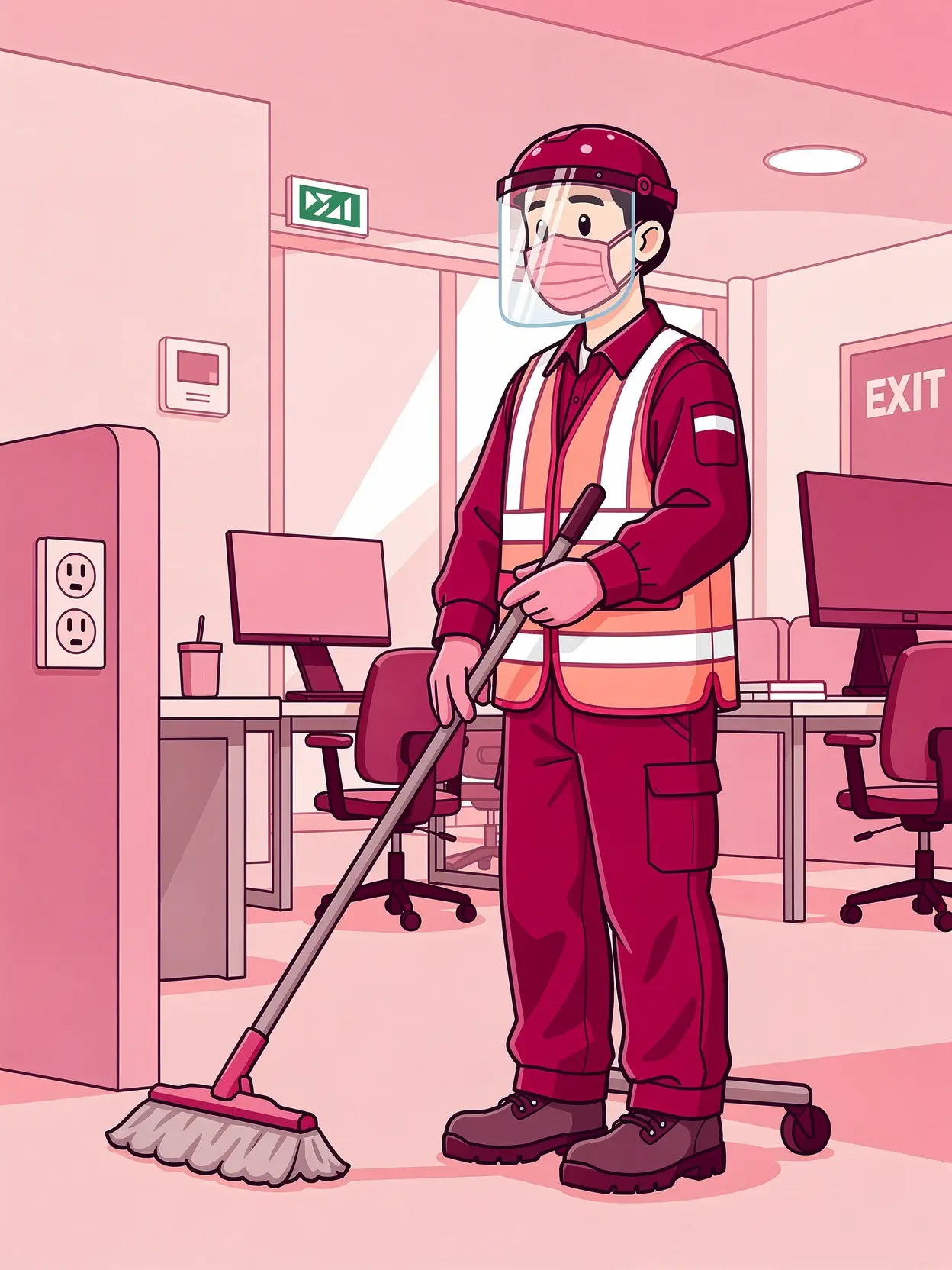
Professional cleaning is not only about appearance. It also sits inside a health and safety responsibility, especially in workplaces and managed properties.
COSHH explained simply
COSHH stands for the Control of Substances Hazardous to Health. In simple terms, it is the UK framework that ensures chemicals and substances are handled safely to prevent harm.
In professional cleaning contexts, this typically means:
-
Knowing what products contain and how to use them safely
-
Understanding dilution and safe storage
-
Avoiding dangerous mixing of chemicals
-
Using the right product for the right surface
-
Having accessible safety information for products used
The important point is this. Compliance underpins professional cleaning standards because safety is part of what makes the work “professional.”
PPE and risk assessments
PPE means personal protective equipment. It can include gloves, masks, eye protection, and other items depending on the environment and task.
Risk assessments are a practical step that identifies hazards and reduces them. In cleaning, hazards can include:
-
Slips on wet floors
-
Skin irritation from chemicals
-
Sharps or broken glass
-
Heavy lifting and repetitive strain
-
Poor ventilation
-
Working around members of the public in shared spaces
Risk controls are then built into protocols and workflows. The result is a cleaning system that protects both the cleaner and the people who use the space.
Why compliance matters to the standard itself
Compliance is sometimes seen as a separate topic from cleaning quality. In reality, it shapes cleaning quality.
A safe, compliant method is often also a more consistent method because it:
-
Reduces rushed, risky shortcuts
-
Encourages correct product use and dwell time
-
Promotes tool separation and hygiene discipline
-
Protects surfaces and fixtures from damage
That is why health and safety is not “extra.” It is part of what gives professional cleaning its reliability.
Eco-Friendly and Ethical Professional Cleaning
Eco-friendly professional cleaning is often discussed as if it simply means using “green products.” In reality, sustainability in cleaning is a full system. It includes what is used, how it is used, how waste is reduced, and how people and property are protected over time.
What eco-friendly professional cleaning really means
Eco-friendly professional cleaning typically involves three pillars.
1. Responsible chemistry and usage
It is not only about a product label. It is about appropriate selection, correct dilution, and controlled application so unnecessary chemicals are not overused.
2. Process design that reduces waste
Waste is not only plastic packaging. It can also be excess water use, repeated re-cleaning due to poor methods, and disposable items used unnecessarily.
3. Protection of indoor environments
Many people spend most of their day indoors. Cleaning systems that reduce harsh residues, improve hygiene outcomes, and avoid unnecessary airborne irritants support modern living expectations.
Greenwashing versus reality
“Eco” claims can be vague. A more reliable way to think is to look for evidence of process, not slogans.
Signs of real eco-friendly professional cleaning include:
-
Careful product selection matched to surface type and risk level
-
Clear dilution practices rather than “use more to clean more”
-
Microfibre and controlled tool systems that reduce waste
-
Methods that reduce repeat cleaning caused by poor finishing
-
Ventilation awareness and residue management
Greenwashing tends to show up when “eco” is treated as marketing language rather than a practice-based standard.
Ethical cleaning as a professional standard
Ethical professional cleaning is about responsibility.
It includes:
-
Protecting people from unsafe chemical handling
-
Respecting client property and privacy
-
Avoiding damage through correct methods and training
-
Using systems that reduce cross-contamination and health risks
-
Creating predictable standards so outcomes are fair and consistent
In this sense, eco-friendly and ethical practices are not separate from professional cleaning. They are part of what makes the service modern, accountable, and trustworthy.
Professional Cleaning in Properties and Workplaces

Professional cleaning matters because it connects directly to outcomes that people care about. Not “shiny surfaces,” but the practical benefits that follow consistent standards.
Property value protection and long-term care
Surfaces, fixtures, and finishes deteriorate faster when cleaning is inconsistent or overly aggressive. Scratching, staining, limescale build-up, and grease accumulation are not only “dirty.” They cause gradual damage and shorten the lifespan of materials.
Professional cleaning helps protect:
-
Kitchen surfaces and appliances through correct degreasing routines
-
Bathroom fixtures through limescale control and safe descaling
-
Floors through proper methods that avoid residue and abrasion
-
Paintwork and trim through dust management and correct wiping techniques
The result is not only a better appearance. It is better preservation.
Rental turnovers and inspection-ready expectations
In the UK rental market, transitions between occupants bring higher scrutiny. The standard expected is often closer to inspection-ready cleaning than casual cleaning.
Inspection-ready cleaning matters because it:
-
Reduces disputes over condition
-
Creates a clear baseline for the next occupant
-
Supports consistent property management
-
Minimises “hidden dirt” that becomes visible later
Where professional cleaning is system-led, it becomes easier to deliver a repeatable standard across multiple properties and timeframes.
Workplace wellbeing and productivity
Workplaces are shared environments. That changes the cleaning priority. It is not only about looking presentable. It is also about hygiene discipline in high-touch areas and shared facilities.
Professional cleaning in workplace settings supports:
-
Reduced cross-contamination in kitchens, washrooms, and shared desks
-
Better control of odours and build-up
-
Improved employee confidence in the environment
-
A calmer, more functional space for modern working
Modern living and hygiene expectations have blurred the line between “clean enough” and “clean responsibly.” Workplaces increasingly reflect that shift.
Choosing Professional Cleaning the Smart Way
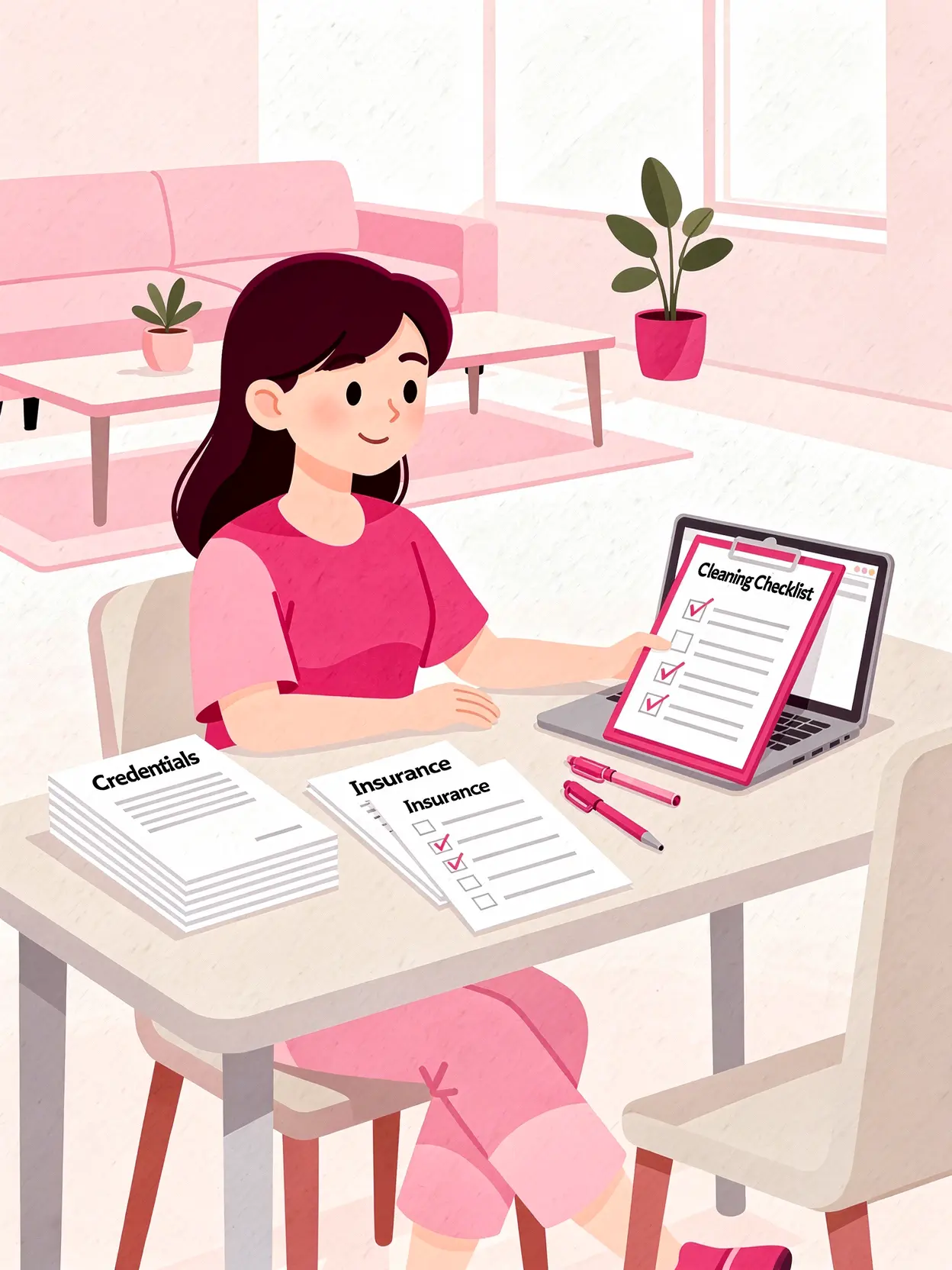
This is not about persuading anyone to buy. It is about teaching people how to judge standards when comparing options. When the goal is professional cleaning, the decision should be based on systems, safety, and consistency, not surface promises.
What to look for in providers without focusing on price
A professional standard typically shows up through evidence of process.
Look for clarity around:
-
How work is scoped and defined
-
Whether checklists or verification exist
-
Whether training and standardisation are part of delivery
-
How safety and hygiene are handled
-
How quality is maintained over time
In other words, you are looking for a service model, not a one-off effort.
Why cheapest does not equal most cost-effective
A low-cost clean that needs repeating, causes damage, or fails inspection-ready standards often becomes expensive in time, stress, and corrective work.
The cost-effectiveness of professional cleaning is often determined by:
-
Repeatability of results
-
Reduced rework
-
Reduced disputes and uncertainty
-
Better material preservation
-
Consistent hygiene outcomes
Professional cleaning is outcome-based. Outcome-based decisions work best when judged by standard and reliability.
Insurance, vetting, and guarantees as signals of professionalism
Not every situation requires the same level of formality, but professional cleaning usually aligns with professional safeguards.
Useful signals include:
-
Appropriate insurance for the environment being cleaned
-
Clear vetting and accountability processes
-
Defined procedures for resolving issues
-
A structured approach to quality correction if standards are not met
These elements are not “extras.” They are part of the accountability framework that separates professional cleaning from informal work.
Common Myths About Professional Cleaning
Myth 1. “Professional cleaning is a luxury”
In modern UK living, professional cleaning is often a practical standard rather than a luxury, particularly in rental transitions, shared workplaces, and households with high hygiene expectations.
The shift is driven by:
-
Increased attention to hygiene and indoor wellbeing
-
Higher scrutiny in managed properties
-
Time scarcity in modern routines
-
The need for reliable outcomes rather than occasional effort
Myth 2. “Anyone can deliver professional cleaning”
Many people can clean. Professional cleaning is different because it involves systems, training, risk awareness, and consistent outcomes.
The difference is visible in:
-
Standardised workflows
-
Dwell time discipline
-
Cross-contamination controls
-
Correct methods for materials and surfaces
-
Quality checks and documentation
Professional cleaning is not “cleaning done by someone else.” It is cleaning delivered as a structured standard.
Myth 3. “Eco cleaning does not work”
Eco-friendly professional cleaning can be highly effective when it is method-led rather than label-led.
Effectiveness depends on:
-
Correct product selection for the task
-
Proper dwell time
-
The right mechanical action and tools
-
Good finishing routines that prevent residue and re-soiling
In many cases, the system matters more than the strength of a single product.
Myth 4. “A deeper clean is always better”
More intensity is not always better. Over-scrubbing, incorrect chemicals, and aggressive methods can damage surfaces and shorten their lifespan.
Professional cleaning is defined by appropriateness:
-
Right method for the material
-
Right product for the soil type
-
Right process order
-
Right verification standard
A professional standard aims for consistent results without unnecessary damage.
The Future of Professional Cleaning in the UK
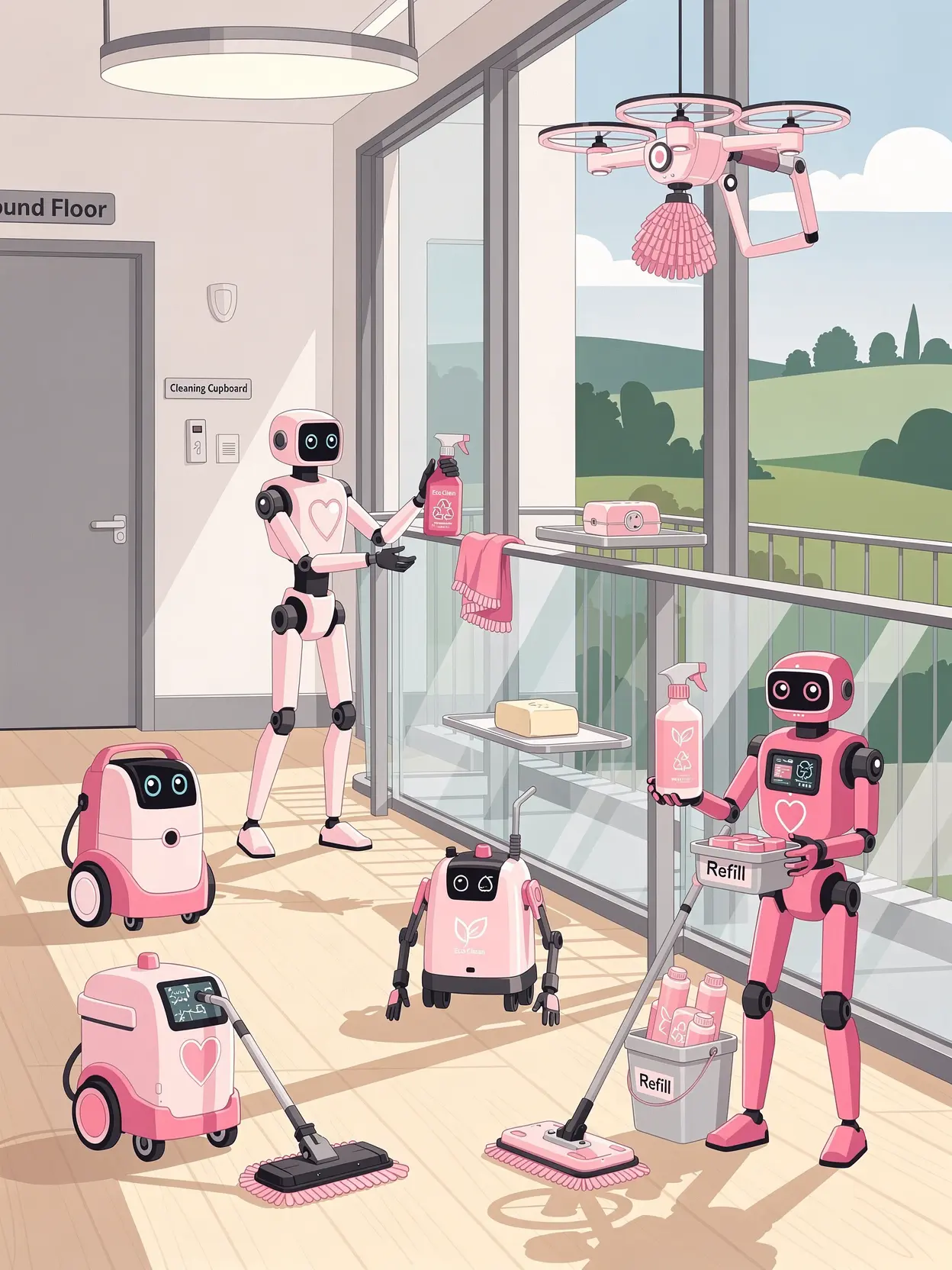
Professional cleaning is likely to continue evolving because expectations keep rising. This trend is shaped by culture, workplace norms, sustainability pressure, and a broader understanding of hygiene as part of wellbeing.
Rising expectations and the normalisation of standards
As people encounter higher standards in workplaces, managed buildings, and public environments, they begin to expect similar standards in private spaces. The idea of “inspection-ready” becomes more common not only at move-out moments, but also as a baseline concept of what “properly cleaned” means.
Sustainability shaping cleaning systems
Sustainability is not a side topic. It is steadily shaping:
-
Product selection and chemical minimisation
-
Waste and packaging reduction
-
Efficient workflows that avoid re-cleaning
-
Ethical responsibility toward people doing the work
-
Health-conscious methods that reduce harsh residues
Eco-friendly and ethical professional cleaning is likely to become a standard expectation, not a niche preference.
Increased focus on process visibility
People increasingly want to understand “how” results are achieved. That encourages:
-
Documentation and checklists
-
Clear explanation of workflows
-
Quality control habits
-
Transparent safety practices
Professional cleaning will increasingly be judged by process maturity, not only by visual outcomes.
Conclusion. Professional Cleaning as a Modern Essential
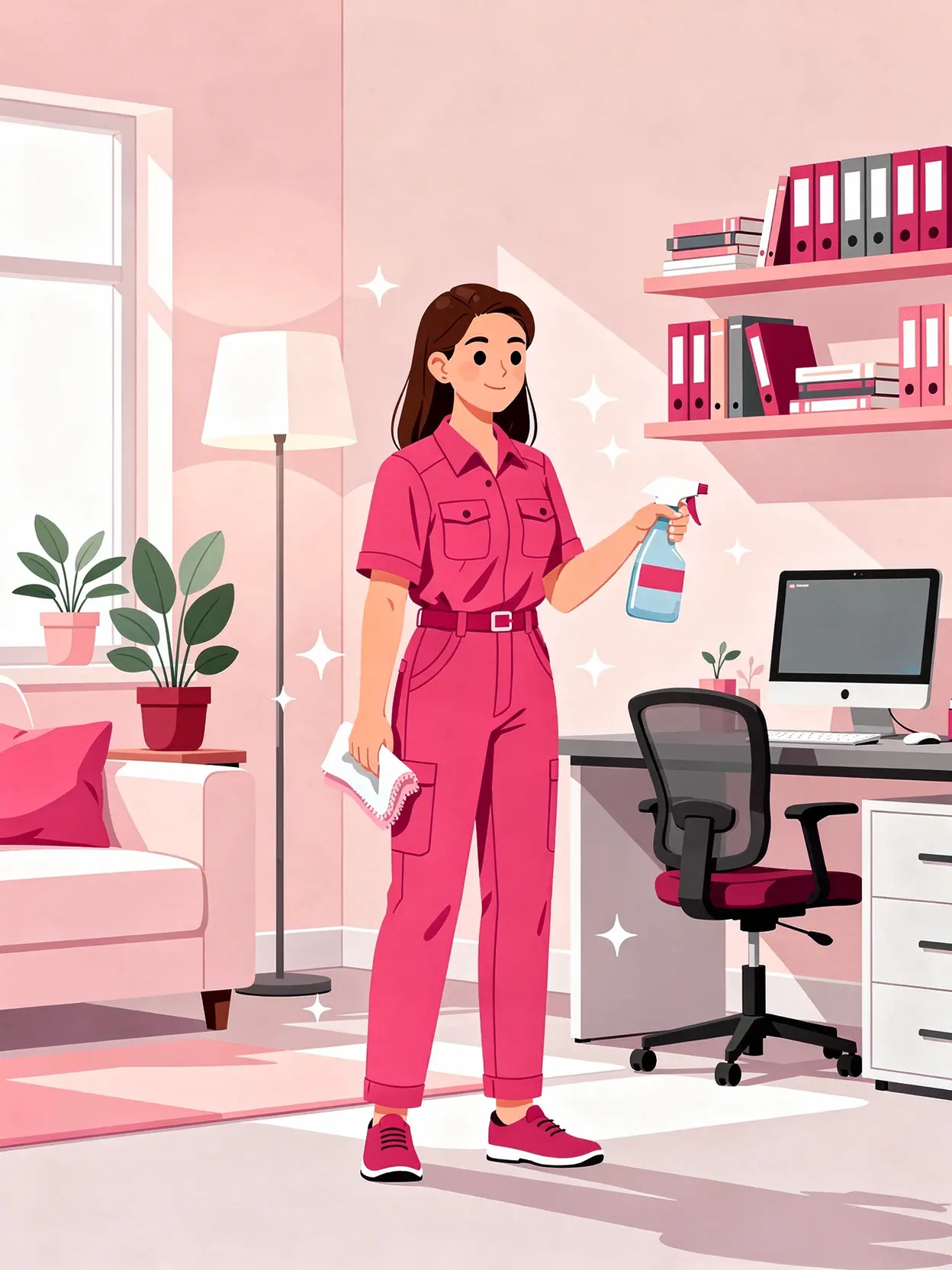
Professional cleaning is best understood as a modern standard. It is not defined by effort or appearance alone. It is defined by outcomes delivered through systems, safety discipline, and repeatable processes.
In the UK context, professional cleaning supports:
-
Health and hygiene expectations that have grown in modern living
-
Inspection-ready standards in managed properties and rental transitions
-
Workplace wellbeing and shared-environment responsibility
-
Long-term property care through appropriate methods
-
Ethical and eco-conscious practices that protect people and spaces
Professional cleaning is not simply “cleaning done professionally.” It is a structured model built on standards, accountability, and consistent results. In a world where cleanliness is tied to wellbeing, safety, and trust, that model is becoming a modern essential.