
Appliance cleaning and hygiene is often neglected for one simple reason. Most kitchen appliances appear closed, contained, and under control. If the outside looks tidy, many people naturally assume the inside is acceptable too.
That assumption is where the problem begins.
Unlike open worktops or visible sinks, ovens and fridges hide residue, moisture, grease, spills, and trapped air inside compartments, seals, trays, and internal surfaces. Because these areas are not always seen during day-to-day use, hygiene is often judged by appearance rather than by actual condition.
This creates a common misunderstanding in modern kitchens. Something can look clean without being hygienic.
A fridge door may shine on the outside while food residue builds quietly inside drawers, shelf edges, and rubber seals. An oven may appear fine from the front while grease, carbonised food, and burnt particles continue collecting around racks, door glass, and hidden corners.
Appliance cleaning and hygiene matters because ovens and fridges do not only affect appearance. They affect:
-
food safety
-
odour control
-
kitchen hygiene standards
-
appliance efficiency
-
household responsibility
-
tenancy expectations in managed properties
In today’s homes, hygiene is no longer judged only by what guests can see. It is judged by how well hidden risk areas are managed too. That is why appliance cleaning and hygiene deserves more attention than it usually receives.
What Appliance Cleaning and Hygiene Really Means?
More than wiping visible surfaces
Appliance cleaning and hygiene means more than removing obvious dirt from visible parts. It refers to the safe and consistent removal of food residue, grease, moisture build-up, contamination sources, and hidden deposits that can affect hygiene, performance, and the surrounding kitchen environment.
A quick wipe may improve appearance. It does not always improve hygiene.
That distinction matters. Cleaning is often understood as making something look better. Hygiene is about reducing contamination risks and maintaining a condition that supports safe, healthy use over time.
The difference between surface cleaning and hygiene-level cleaning
Surface cleaning usually focuses on what is easiest to reach and see. That may include:
-
wiping a fridge shelf
-
cleaning the outer oven door
-
removing a spill from the base
-
throwing away expired food
Those actions are useful, but they are incomplete if deeper hygiene issues remain.
Hygiene-level cleaning goes further. It pays attention to the places where residue, moisture, bacteria, mould, and odours continue building even when the appliance appears tidy.
For example, proper appliance cleaning and hygiene considers:
-
fridge seals where moisture and crumbs collect
-
drawer channels and underside edges
-
oven racks and rack supports
-
grease traps and baked-on residue zones
-
handles and touchpoints
-
corners where spills harden over time
Why appliances need higher standards than general kitchen areas
Ovens and fridges are not ordinary surfaces. They operate in conditions that multiply hygiene risks in different ways.
Fridges combine:
-
cold temperatures
-
moisture
-
food storage
-
condensation
-
enclosed air circulation
Ovens combine:
-
heat
-
grease vapours
-
burnt food residue
-
repeated cooking cycles
-
enclosed surfaces exposed to splatter and smoke
These conditions make appliance cleaning and hygiene more important than a basic wipe-down approach. Heat, moisture, and food residue all act as risk multipliers. They create environments where contamination can persist, spread, or become harder to remove over time.
The Hidden Health Risks Inside Ovens and Fridges

Appliances can become hidden contamination points because food-related residue is not harmless once it stays in place. It changes over time. It dries, breaks down, traps moisture, attracts microbes, and affects the air and surfaces around it.
Why cold and warm environments both carry risks
People often assume cold means safe and heat means self-cleaning. Neither assumption is fully reliable.
A fridge slows many forms of bacterial growth, but it does not eliminate hygiene risk. Spills, raw food contact, poor storage habits, and neglected seals or drawers can still create contamination problems.
An oven reaches high temperatures during use, but that does not mean all residue disappears safely. Grease splatter, burnt food particles, and carbonised build-up can remain inside the appliance, especially around edges, door panels, racks, and hidden surfaces.
In both cases, hygiene risk is linked not only to temperature, but to:
-
trapped residue
-
repeated exposure
-
poor cleaning habits
-
hidden build-up zones
-
airflow and enclosed conditions
Food residue as a long-term contamination source
Food residue is one of the main reasons appliance cleaning and hygiene matters so much. Residue is rarely static. It changes texture, smell, and risk level as time passes.
Inside fridges, residue may come from:
-
leaking packaging
-
raw food drips
-
spoiled produce
-
sticky sauces
-
milk or juice spills
-
crumbs caught beneath drawers
Inside ovens, residue may come from:
-
grease splashes
-
cheese overflow
-
burnt crumbs
-
oil mist settling on surfaces
-
repeated spills left to bake on again and again
The longer residue remains, the more it becomes part of the appliance environment rather than a one-time mess.
Overlooked areas people often miss
Some of the most important hygiene issues develop in places that are easy to ignore.
In fridges, overlooked areas often include:
-
door seals
-
drawer corners
-
shelf supports
-
drainage points
-
bottle ledges
-
underside edges of removable trays
In ovens, overlooked areas often include:
-
inner door glass edges
-
rack grooves
-
corners near heating zones
-
grease collection points
-
oven floor edges
-
behind removable racks or trays
These are the areas where “looks clean” often breaks down as a standard.
Odours as early warning signs
Odours matter because they often signal that hygiene problems are already established. Smells do not appear without a source.
A sour fridge smell may point to trapped spills, ageing residue, damp seals, or hidden food spoilage. A burnt or stale oven smell may indicate baked-on grease, old food particles, or residue that is reheating every time the appliance is used.
Odours are not only unpleasant. They are useful hygiene warnings.
Bacteria, Mould, and Persistent Odours Explained
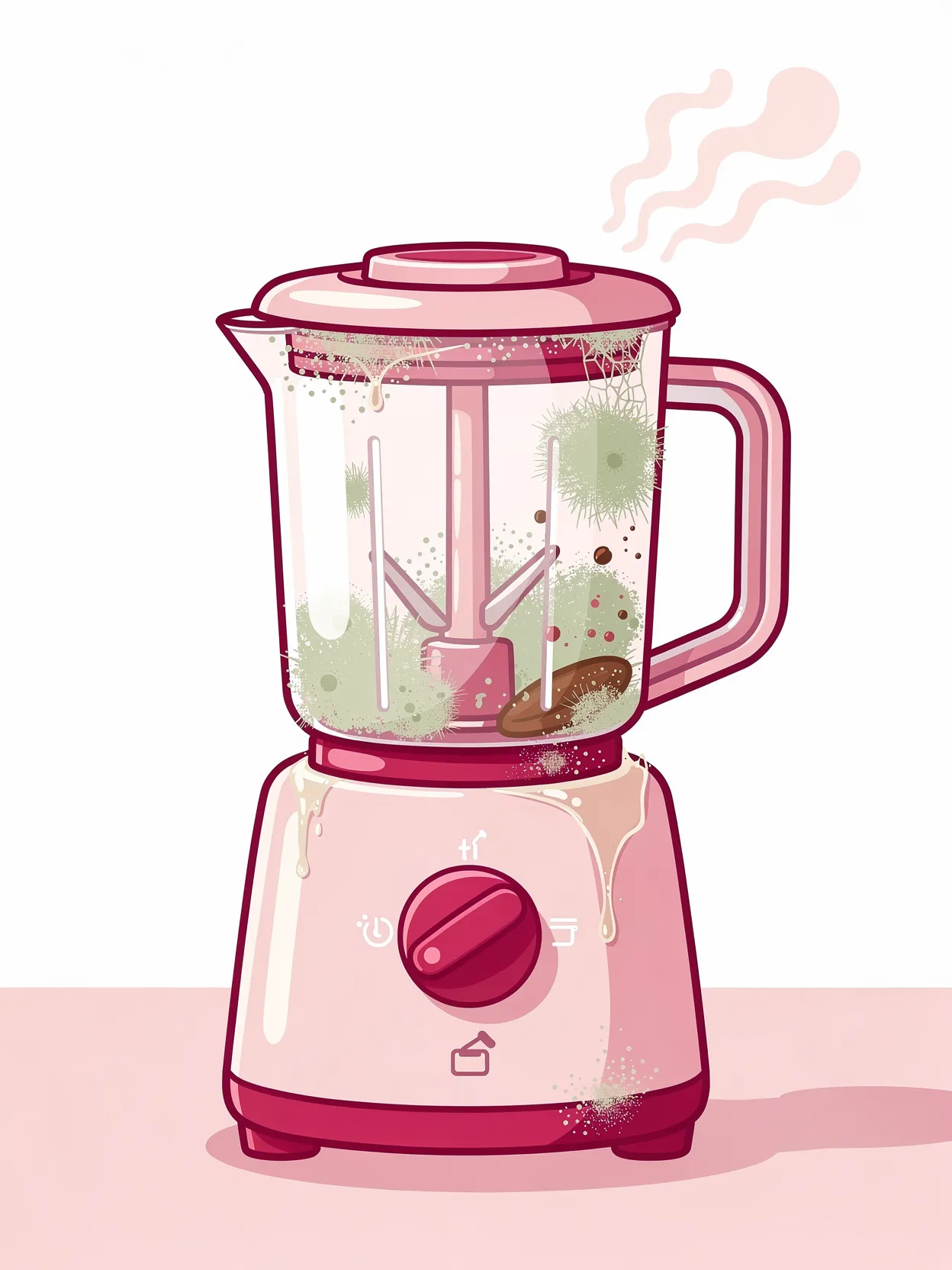
One reason appliance hygiene is overlooked is that contamination rarely appears all at once. It builds slowly.
A small spill in a fridge can go unnoticed. Moisture collects around it. Crumbs stick to it. Air circulates through the space. Over days or weeks, the area becomes harder to clean and more likely to smell.
The same pattern happens in ovens. A small splash during cooking may seem insignificant. Then another layer forms during the next use. Then heat bakes it further onto the surface. Over time, what was once easy to remove becomes a stubborn hygiene issue.
This gradual build-up makes appliance cleaning and hygiene a preventative task, not only a corrective one.
Why odours return even after surface cleaning
People often become frustrated when a fridge or oven smells better for a day, then the odour returns. Usually, the reason is simple. The visible surfaces were cleaned, but the source remained.
Common hidden sources include:
-
residue under shelves or drawers
-
grease trapped in oven edges
-
moisture in door seals
-
spoiled particles in unreachable corners
-
residue that has soaked into porous grime layers
Persistent odours usually point to incomplete hygiene, not to a mystery problem.
Grease, moisture, and microbes working together
Contamination becomes more stubborn when grease, moisture, and microbes interact.
-
Grease traps particles and holds odours
-
Moisture helps contamination spread or persist
-
Microbes exploit food residue and damp environments
This interaction is why appliance cleaning and hygiene should not be treated as a purely cosmetic issue. The problem is not just what is visible on a shelf or tray. It is the combination of conditions that supports ongoing contamination.
How appliance hygiene affects surrounding spaces
Poor appliance hygiene rarely stays contained inside the appliance.
It can affect the wider kitchen through:
-
unpleasant lingering odours
-
reduced confidence in food storage conditions
-
contamination transfer through hands, containers, or surfaces
-
airborne stale smells during heating or opening
-
an overall decline in hygiene standards across the space
In this way, ovens and fridges act like hidden centres of kitchen hygiene. If they are neglected, the surrounding environment often reflects that neglect too.
Appliance Cleaning and Energy Efficiency
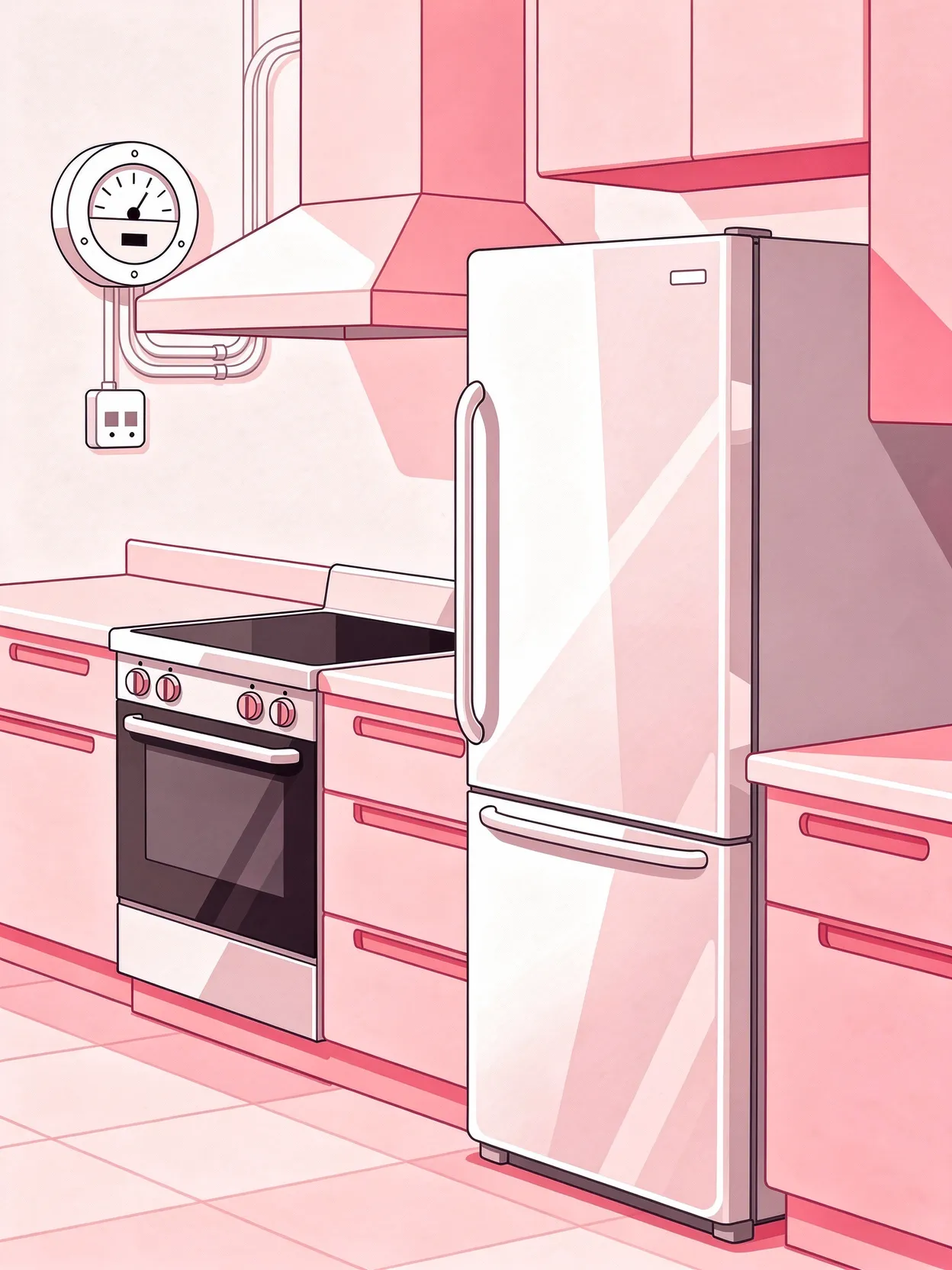
Appliance cleaning and hygiene is also an efficiency issue. Appliances do not perform at their best when residue, grease, and contamination interfere with airflow, heat transfer, and internal stability.
How grease build-up affects oven efficiency
Ovens rely on controlled heat movement. When grease and burnt residue build up, that control can become less reliable.
Build-up may contribute to:
-
uneven heat distribution
-
smoke during cooking
-
lingering burnt smells
-
surfaces that trap and re-release residue
-
reduced heat transfer efficiency over time
The issue is not that one dirty patch suddenly breaks the oven. The issue is that neglected residue gradually interferes with performance and cooking consistency.
How fridge contamination can affect cooling performance
Fridges work best when the internal environment stays stable, clean, and unobstructed. Food spills, blocked vents, overloaded drawers, sticky seals, and neglected residue can all make that harder.
Contamination and neglected hygiene may contribute to:
-
poor airflow between stored items
-
unstable cooling conditions
-
odours spreading across compartments
-
reduced cleanliness around food packaging
-
more effort needed to maintain safe storage habits
Increased energy use through neglect
When appliances operate under less efficient conditions, they may use more energy to maintain the same output. Neglect does not only create hygiene issues. It can also create performance drag.
Appliance efficiency and hygiene are connected because:
-
dirty environments reduce smooth operation
-
residue creates avoidable strain
-
poor maintenance leads to repeated inefficiency
-
unstable performance often means the appliance works harder than necessary
Consistency matters more than one-off effort
Efficiency usually benefits more from consistent hygiene habits than from occasional intense cleaning. Small, regular attention helps prevent the kind of build-up that later affects performance.
This is one reason appliance cleaning and hygiene should be understood as routine care. Not as a rare rescue task.
Appliance Longevity and Performance Over Time

Many people separate hygiene from maintenance, but in appliances the two are closely linked. Hygiene helps preserve normal function.
When residue is removed early and consistently, appliances are less likely to suffer from the compounding effects of neglect. Preventative maintenance in this context means keeping the appliance in a condition that supports reliable day-to-day use.
That includes:
-
reducing build-up before it hardens
-
preventing unnecessary strain from blocked or dirty zones
-
keeping food-contact areas safer
-
preserving internal surfaces and components where possible
Wear caused by build-up and residue
Residue does not just sit there passively. Over time it can contribute to wear.
Examples include:
-
grease becoming harder and more abrasive to remove
-
acidic food spills affecting surfaces if left too long
-
sticky drawer channels becoming harder to clean properly
-
seals holding damp residue that encourages deterioration
-
repeated heating of baked-on food affecting the cleanliness of surrounding surfaces
None of this usually happens overnight. That is why neglect can feel harmless until the damage is more obvious.
Maintenance versus restoration
There is a useful difference between maintenance and restoration.
-
Maintenance means keeping appliances in a hygienic, manageable state through regular attention.
-
Restoration means trying to recover an appliance after long periods of build-up, odour, staining, or hygiene neglect.
Maintenance is simpler, safer, and usually more sustainable. Restoration is harder because residue becomes older, more stubborn, and more deeply embedded.
Appliances as household assets
Ovens and fridges are not disposable details. They are household assets that support food safety, daily routines, and long-term property standards.
Thinking of them as assets changes the mindset. Hygiene becomes part of stewardship and care, not just appearance.
Appliance Cleaning and Hygiene in Rental Properties

Appliance condition often becomes more important in rental settings because appliances are visible, measurable, and closely associated with cleanliness standards.
Why appliances become inspection focal points
Appliances are commonly checked during tenancy transitions because they reveal both cleanliness and care. A dirty appliance suggests more than missed cleaning. It can suggest neglect of the property overall.
Inspection attention often falls on:
-
fridge interiors and seals
-
drawers and shelves
-
oven doors and interior panels
-
racks, trays, and grease build-up areas
-
odours and obvious residue
These points matter because they are relatively easy to observe and compare.
What inventory reports often assess
Inventory-style assessments commonly focus on condition, cleanliness, and visible maintenance standards. Appliances often sit at the centre of that because they combine hygiene, appearance, and function in one area.
Typical concerns include:
-
residue left inside appliances
-
staining or build-up
-
odours suggesting poor hygiene
-
removable parts not cleaned properly
-
a visible gap between “used” and “inspection-ready” condition
Common disputes linked to appliance condition
Appliance-related disputes often arise because expectations differ. One person may believe an appliance is “clean enough” because surfaces were wiped. Another may judge based on detail, odour, hidden build-up, and condition of internal parts.
This is where the difference between tenant-cleaned and inspection-ready becomes important.
Tenant-cleaned versus inspection-ready
Tenant-cleaned often means a reasonable effort has been made. Inspection-ready usually means the result can withstand close review, including details that are easy to miss during rushed cleaning.
That difference may involve:
-
deeper attention to corners and seals
-
removal of grease build-up rather than surface wiping
-
odour elimination at source
-
cleaning of removable internal parts
-
a more objective standard of presentation and hygiene
Deposit implications can arise in these situations, but the key educational point is simple. Appliance cleaning and hygiene matters in rental properties because ovens and fridges are frequent markers of overall property condition.
DIY Appliance Cleaning. Where It Often Falls Short
DIY cleaning has a clear place in everyday household care. Regular wiping, removing expired food, clearing spills quickly, and keeping visible surfaces tidy all help reduce build-up before it becomes a larger issue.
But appliance cleaning and hygiene often becomes less effective when people assume that basic cleaning habits are enough for areas that carry food-related contamination risks.
Common shortcuts that create false confidence
A lot of appliance cleaning problems begin with shortcuts that improve appearance without addressing hygiene properly.
Common examples include:
-
wiping only the visible front surfaces
-
cleaning around shelves without removing them
-
masking odours instead of removing the source
-
focusing on the centre of the oven while ignoring edges and seals
-
using one cloth across multiple kitchen zones
-
delaying cleaning until residue hardens or smells develop
These shortcuts are understandable. Appliances are awkward, enclosed, and easy to postpone. The problem is that shortcuts often create the illusion of cleanliness while hidden contamination remains in place.
Why home remedies do not solve every hygiene issue
Home remedies are often shared as simple fixes, but they are not universal solutions.
Some methods may help with light residue or mild odours. But once grease is layered, moisture has lingered, or contamination has settled into hard-to-reach areas, home remedies often reach their limit.
The issue is not that common household methods are always wrong. The issue is that they are often:
-
too weak for hardened build-up
-
too general for food-contact surfaces
-
inconsistently applied
-
used without enough dwell time
-
chosen for convenience rather than suitability
A mild solution may freshen a surface, but it may not properly address a deeper hygiene problem.
Risks of incorrect products and methods
Using the wrong product in an appliance can create new problems while trying to solve the old one.
Potential risks include:
-
chemical residue near food-contact areas
-
damage to seals, coatings, or internal finishes
-
harsh smells that linger after cleaning
-
smearing grease rather than removing it
-
corrosion or surface dulling over time
Appliance cleaning and hygiene is not only about effort. It is also about using methods that are safe for the appliance, safe for the kitchen environment, and safe around food.
When hygiene-level cleaning becomes unsafe
There is also a point where attempting a deeper clean without enough knowledge can become unsafe.
That may happen when people:
-
mix products without understanding the risk
-
use excessive force on fragile components
-
apply liquids into unsuitable areas
-
use abrasive tools that scratch surfaces
-
clean around heat-related areas without proper cooling and care
The practical lesson is simple. DIY cleaning is useful for regular upkeep, but it often falls short when hidden contamination, food safety, and hygiene-level cleaning become the real issue.
Products, Chemicals, and Food-Safe Hygiene
Appliance cleaning and hygiene should always be considered through a food-safe lens. Ovens and fridges are not just household surfaces. They exist within the wider system of food storage, preparation, and consumption.
Why some products are unsuitable near food
A product that works well on a general household surface may be unsuitable inside an appliance that stores or surrounds food.
That is because some products may leave behind:
-
strong chemical residues
-
fragrances that transfer into enclosed spaces
-
films that remain on shelves or surfaces
-
ingredients not intended for food-adjacent use
This matters especially in fridges, where food may sit close to cleaned surfaces, and in ovens, where heat may intensify any lingering residue or smell.
The risk of chemical residue
Chemical residue is easy to underestimate because it is not always visible. A surface may look polished while still carrying a film or scent that should not remain in a food-related environment.
Residue risks are higher when:
-
products are overused
-
dilution is incorrect
-
rinsing or wiping is incomplete
-
cleaning is rushed
-
products are chosen for strength rather than suitability
Food-safe cleaning is not about making appliances smell heavily cleaned. It is about leaving them hygienically clean without introducing avoidable contamination.
What food-safe hygiene means in practice
Food-safe hygiene means choosing methods that support cleanliness without compromising the safety of the environment where food is stored, cooked, or handled.
In practical terms, this usually means:
-
using suitable products for food-adjacent areas
-
following label instructions carefully
-
avoiding unnecessary chemical intensity
-
removing residue fully after cleaning where required
-
keeping cloths and tools clean and purpose-specific
-
allowing surfaces to dry properly before reuse
The safest approach is usually the most controlled one. More product does not automatically mean better hygiene.
High-level COSHH principles in simple terms
Even in a domestic context, it is useful to understand the basic idea behind COSHH principles. The goal is simple. Use substances in a way that avoids harm.
Applied at a high level, that means:
-
know what you are using
-
do not mix products casually
-
use only what is necessary
-
store chemicals safely
-
keep products away from food unless clearly suitable
-
consider ventilation, skin contact, and residue
These are not only workplace ideas. They are sensible hygiene habits in any kitchen environment.
How Often Appliance Cleaning and Hygiene Should Be Addressed?
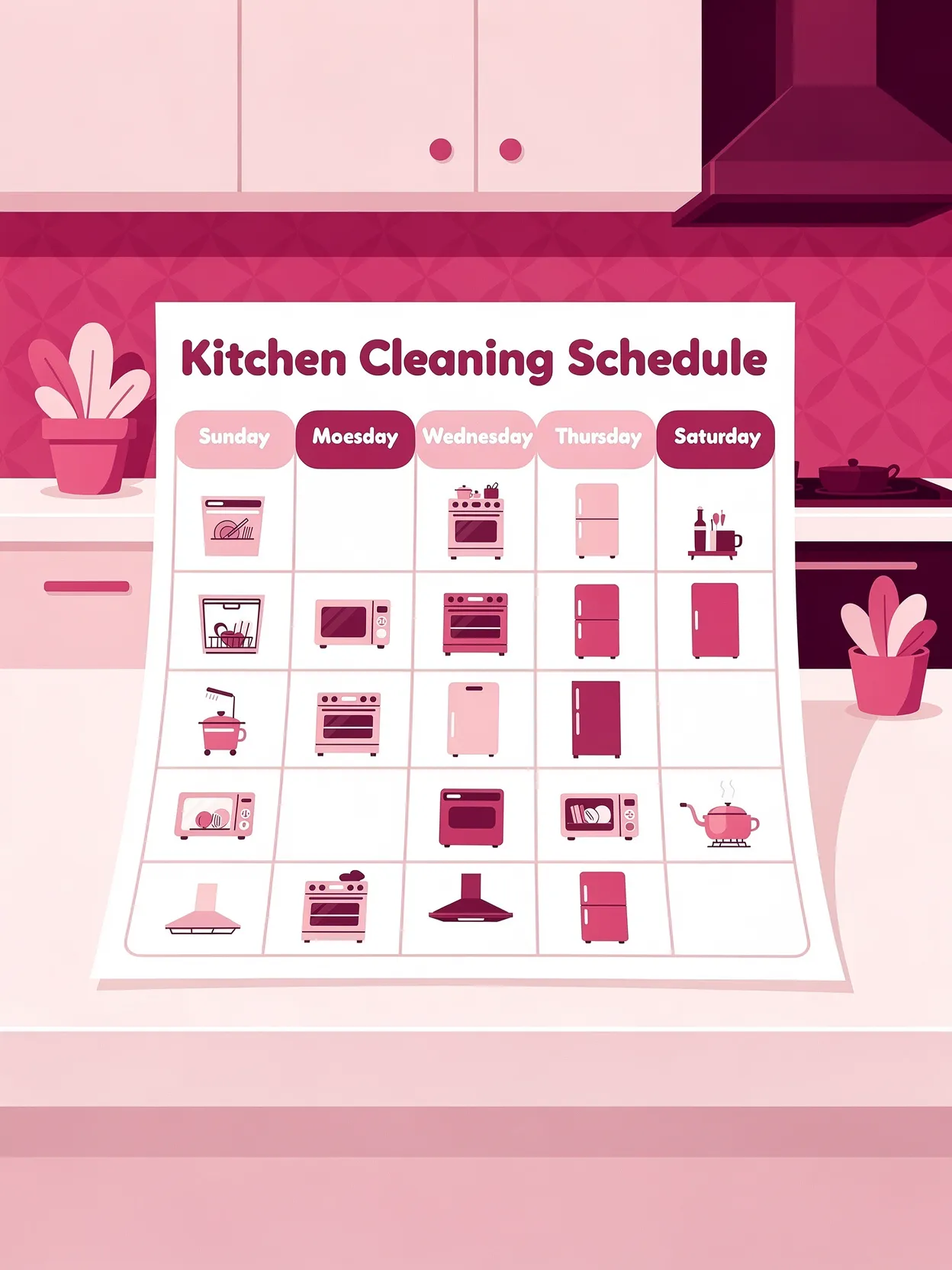
One of the biggest misconceptions is that appliances only need attention when they start smelling, looking dirty, or being inspected. In reality, waiting for visible signs usually means build-up is already established.
Frequency matters more than intensity
Appliance cleaning and hygiene works best as a routine, not a rare event. Small, regular actions prevent the kind of neglect that later requires much more effort.
This is why frequency often matters more than intensity.
A moderate, consistent routine helps:
-
prevent residue from hardening
-
reduce odour development
-
keep seals, trays, and shelves manageable
-
support better hygiene around stored and cooked food
-
maintain efficiency more steadily over time
The compounding effect of neglect
Neglect compounds quietly.
A small fridge spill becomes sticky. Then crumbs collect. Then moisture lingers. Then odour starts. Then the whole drawer feels unhygienic.
An oven splash seems minor. Then it bakes on. Then more grease lands nearby. Then smoke and smells appear during use.
This compounding effect is why appliance cleaning and hygiene should be seen as preventative. Once layers build, the problem becomes harder, slower, and less pleasant to resolve.
Habits that reduce build-up
The most effective hygiene habits are usually the simplest ones, done at the right time.
Helpful habits include:
-
dealing with spills promptly
-
checking fridge contents before food deteriorates
-
wiping shelves or trays before residue sets
-
paying attention to seals, corners, and drawer edges
-
removing oven crumbs or splashes once the appliance is safe to clean
-
separating food sensibly to reduce leaks and contamination
These habits do not replace deeper cleaning, but they reduce the likelihood of hidden hygiene issues becoming entrenched.
Appliance hygiene as routine care
A useful mindset is to treat ovens and fridges the same way people increasingly treat worktops, sinks, and bathrooms. Not as occasional problem areas, but as routine care zones with clear hygiene importance.
Appliance cleaning and hygiene is easier to maintain when it becomes part of normal household rhythm rather than a delayed correction task.
Why Appliance Cleaning and Hygiene Is Not Optional Anymore?

The modern kitchen has changed. It is more heavily used, more closely scrutinised, and more directly linked to health and property expectations than it once was.
That shift makes appliance hygiene more relevant than many people realise.
Busy lifestyles increase hidden neglect
Modern routines are busy. People cook quickly, store more packaged food, multitask constantly, and often clean reactively instead of systematically.
That creates the perfect conditions for appliance neglect because ovens and fridges can keep functioning while hygiene quietly declines inside them.
The result is a common pattern:
-
the appliance still works
-
the outside still looks acceptable
-
the issue remains hidden
-
the hygiene standard drops anyway
Shared spaces raise the standard
In family homes, shared kitchens, and managed properties, appliance hygiene affects more than one person. Shared use increases the need for consistency.
When multiple people use the same fridge or oven, the risks of residue, odours, contamination transfer, and neglect all rise. That makes hygiene a baseline responsibility, not a matter of personal preference.
Higher health expectations change the baseline
People are increasingly aware that hygiene is about more than appearance. There is greater attention now on:
-
food safety
-
contamination prevention
-
indoor environmental quality
-
responsible kitchen habits
-
hidden hygiene risks rather than visible dirt alone
That broader awareness is one reason appliance cleaning and hygiene now carries more weight in homes, rentals, and property management contexts.
Rental and inspection standards make appliances more visible
Appliances have also become more important because they are frequently judged during inspections and handovers.
An appliance may function normally and still fail to reflect a good standard of care if it contains:
-
visible residue
-
internal staining
-
odours
-
dirty seals
-
greasy racks or trays
This is why appliance hygiene is now tied not only to health and efficiency, but also to accountability.
Hygiene is baseline, not luxury
Appliance cleaning and hygiene should not be thought of as a perfectionist standard or a cosmetic extra. It sits within everyday responsibility.
It supports:
-
healthier food environments
-
more stable appliance performance
-
better care of household assets
-
stronger property standards
-
more confidence in the overall cleanliness of the kitchen
That is why it is no longer optional in any meaningful sense. It is part of maintaining a responsible home environment.
Conclusion. Small Areas, Big Impact
Appliance cleaning and hygiene matters because ovens and fridges are small spaces with large consequences. They influence food safety, odour control, household efficiency, property standards, and the overall hygiene quality of the kitchen.
They are easy to overlook precisely because they are enclosed, familiar, and often judged by appearance alone. But closed doors do not remove risk. They often conceal it.
Across this guide, the central message is clear:
-
appliance hygiene is not only cosmetic
-
hidden residue becomes a long-term contamination source
-
neglect affects efficiency as well as cleanliness
-
rental and inspection settings make appliance condition more important
-
regular care is safer and more practical than delayed restoration
Ovens and fridges are everyday appliances, but they should not be treated as low-priority spaces. They are food-related environments that deserve a higher standard of care.
In modern homes, appliance cleaning and hygiene is best understood as a simple form of responsibility. Quiet, practical, and often underestimated, but essential all the same.