Carpet and upholstery cleaning is often misunderstood because many people judge it by one visible result. Does the fabric look cleaner? That is only part of the story. In reality, fabric cleaning is not about force, speed, or making everything as wet as possible. It is about controlled restoration. It is about understanding how fibres react, how soils behave, and how cleaning methods can improve hygiene without causing shrinkage, distortion, colour loss, residue problems, or slow drying.
That is why professional carpet and upholstery cleaning should be understood as a knowledge-driven discipline rather than a simple cleaning task. Soft furnishings and floor textiles do not behave like tiles, glass, or sealed worktops. They absorb, hold, trap, release, and sometimes react unpredictably when exposed to moisture, heat, agitation, or chemicals. A method that works well on one fabric can permanently damage another.
The real goal is preservation, not aggression. Cleanliness matters, but so do fibre safety, drying control, material longevity, allergen reduction, and the overall performance of the fabric after cleaning. Professional work begins with understanding the material itself, then selecting the safest process for the condition, construction, and level of soiling involved.
Why Carpet and Upholstery Cleaning Requires Professional Knowledge?
Carpet and upholstery cleaning requires a different level of care because fabrics are complex surfaces. Hard surfaces usually tolerate broad cleaning approaches. Many fabrics do not. They vary in fibre type, weave, backing, dye stability, absorbency, pile structure, and sensitivity to heat or moisture. That means safe cleaning depends on decisions, not guesswork.
A common mistake is to assume that visible dirt is the only issue. In practice, fabric cleaning involves several overlapping goals:
-
Removing soil without damaging fibres
-
Managing moisture so materials dry properly
-
Reducing residue that causes rapid re-soiling
-
Addressing allergens and trapped particles
-
Preserving texture, colour, and structure over time
Incorrect cleaning can create irreversible problems. These may include colour bleed, browning, shrinkage, texture distortion, fibre weakening, over-wetting, and lingering odours caused by poor drying. In many cases, the damage appears after the cleaning rather than during it, which is why experience and process control matter so much.
Professional cleaning therefore sits at the balance point between hygiene, safety, and longevity. A fabric is not “properly cleaned” if it looks brighter for a day but dries badly, feels sticky, loses softness, or deteriorates faster afterwards
Understanding Fabrics Before Cleaning Begins
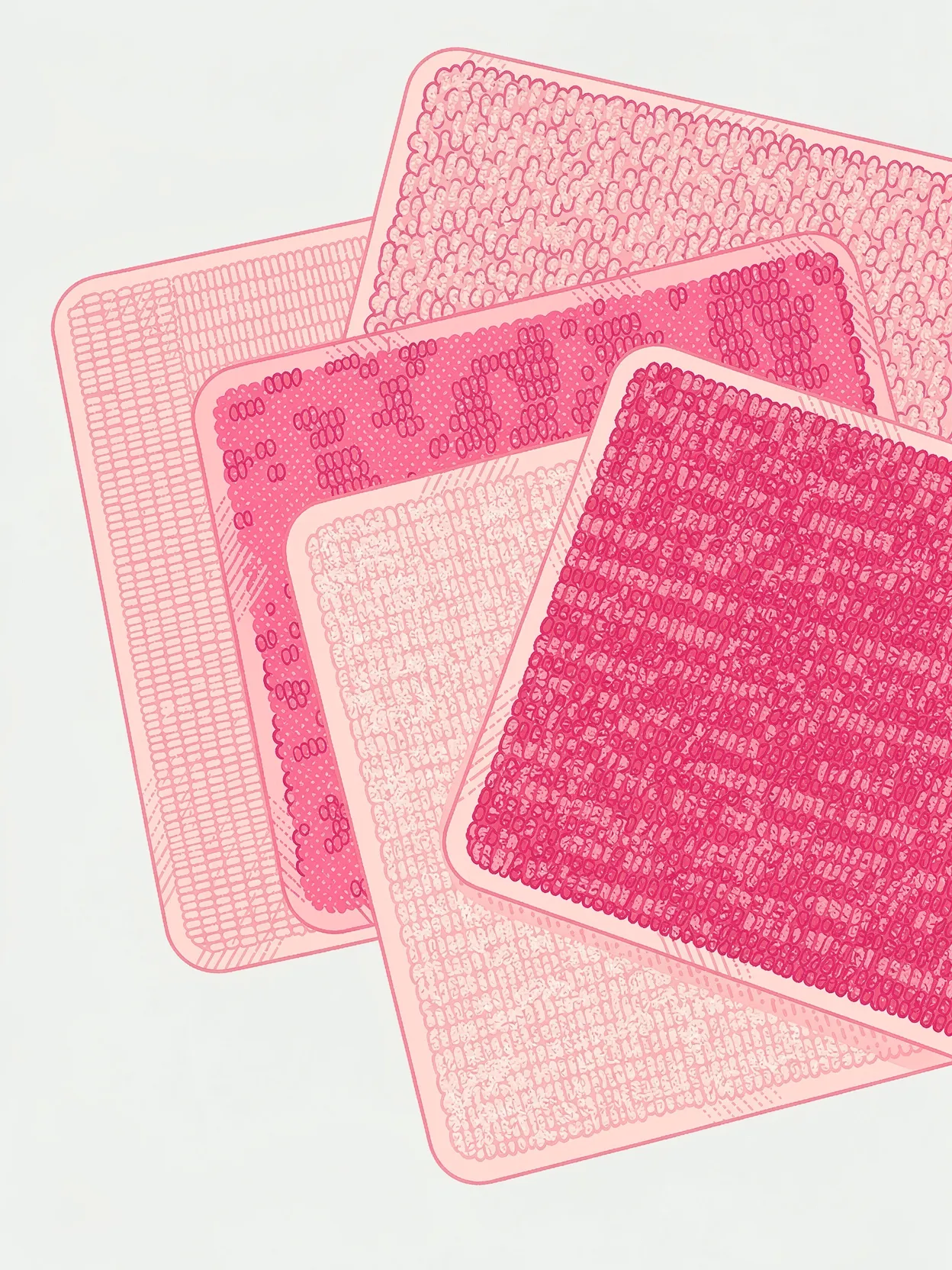
Not all carpet fibres behave the same way. Before any method is chosen, the fibre type matters because it influences absorbency, resilience, soil retention, chemical tolerance, and drying behaviour.
Wool is a natural fibre valued for comfort, appearance, and resilience. It also requires care. Wool can be sensitive to overly strong alkalinity, excess moisture, and aggressive handling. It absorbs more readily than many synthetic fibres, which means method control becomes important.
Nylon is a widely used synthetic fibre known for strength and resilience. It generally responds well to cleaning when methods are balanced properly, but it can still suffer from residue problems, texture issues, or rapid re-soiling if cleaned poorly.
Polyester is often stain-resistant in some respects, yet it tends to attract oily soils more readily. It can look clean on the surface while still holding greasy residues that affect appearance and feel.
Blends combine behaviours. A blended carpet may not respond like either fibre in a pure form. That makes assumptions risky. Cleaning decisions should reflect the actual composition and condition of the material.
Natural and synthetic fibres differ not only in what they absorb, but in how they recover after moisture and agitation. That is why professional cleaning starts with fibre understanding rather than machine selection.
Upholstery Fabrics and Why They React Differently
Upholstery often carries more cleaning risk than carpets. At a glance, a sofa may seem simpler because it is smaller than a room-sized carpet. In practice, upholstery can be more delicate and less forgiving.
Upholstery varies by:
-
Weave and texture
-
Backing materials
-
Cushion filling
-
Dye stability
-
Fabric blends and finishes
-
Construction methods and stitching
Unlike carpets, upholstery may include hidden components that react differently to moisture. Fabric panels, seams, fillings, linings, and backing systems may all behave in their own way. One visible surface may hide several material types underneath it.
This is why upholstery cleaning often requires more caution. Over-wetting can reach padding. Dye movement can appear along seams. Distortion may affect shape as well as surface finish. A method that seems “light” can still be too much if the construction is sensitive.
Why Fabric Construction Matters More Than Appearance
People often judge a fabric by how thick, soft, or durable it appears. Safe cleaning depends more on construction than appearance.
Several structural features affect cleaning decisions:
-
Pile height. Deeper pile can hold more soil and moisture.
-
Density. Dense materials may resist soil penetration differently, but can also trap residues more deeply.
-
Backing systems. These affect stability, drying, and how much moisture can be tolerated.
-
Weave and tension. These influence distortion risk and how the fabric responds to agitation.
A fabric may look robust and still react badly to too much heat or moisture. Another may appear delicate and actually tolerate a carefully controlled method quite well. Professional judgement comes from understanding what the structure allows safely.
How Professional Carpet and Upholstery Cleaning Methods Work?
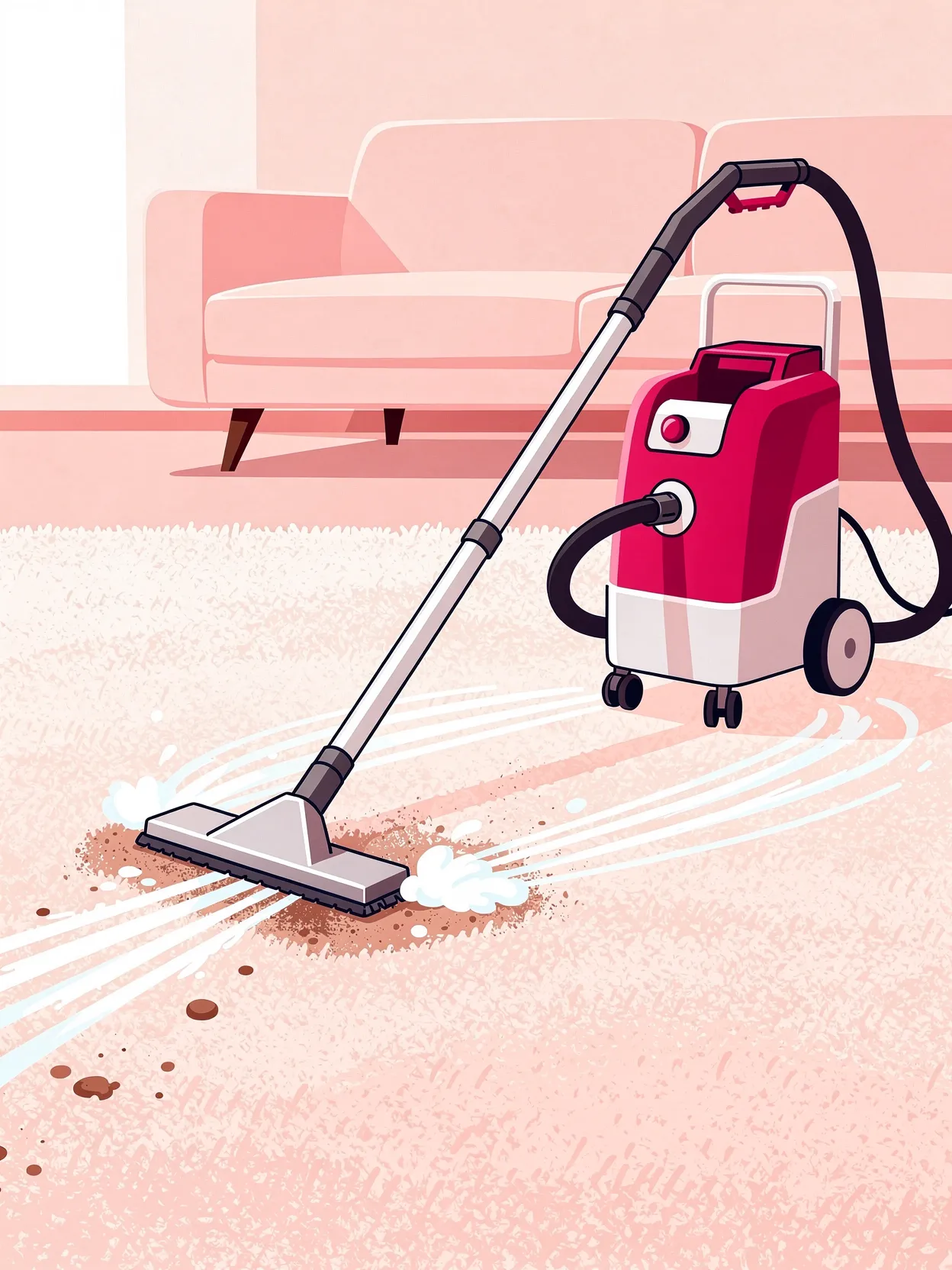
Hot water extraction is one of the most recognised professional cleaning methods, though it is often misunderstood. At its best, it is a controlled process in which solution is applied in a measured way to suspend soil, followed by extraction that removes moisture, suspended dirt, and residues from the fabric.
The method is valued because it can address:
-
Embedded soil below the immediate surface
-
General hygiene improvement
-
Residue removal when balanced correctly
-
A refreshed finish on appropriate fibres
The key word is controlled. The effectiveness of hot water extraction does not come from flooding the fabric. It comes from balancing solution, temperature, agitation where suitable, and efficient recovery. When handled properly, it can clean deeply while limiting excessive wetness.
This method is often chosen when soil load is significant, when deeper flushing is needed, or when the fibre and construction safely allow it. It is not automatically the best answer for every carpet or every upholstered item.
Low-Moisture Cleaning and Why It Exists
Low-moisture cleaning exists because not every textile benefits from higher water exposure. Some fabrics require tighter moisture control due to backing sensitivity, drying risks, dimensional instability, or use patterns that demand quicker return to normal use.
Low-moisture methods aim to:
-
Reduce water input
-
Lower shrinkage or distortion risk
-
Support faster drying
-
Clean effectively without saturating the material
These approaches are useful where controlled cleaning is more important than aggressive flushing. They are also helpful in environments where prolonged drying would create inconvenience or hygiene concerns.
Low-moisture does not mean “less professional” or “less thorough.” It simply reflects a different balance of method, material, and risk.
Steam Cleaning vs Extraction. Clearing the Confusion
The term “steam cleaning” is often used loosely. In everyday conversation, many people use it to describe any deep fabric cleaning method involving warmth or machine-based cleaning. Technically, however, true steam and hot water extraction are not the same thing.
The confusion usually comes from mixing up three different ideas:
-
Temperature
-
Moisture level
-
Method control
What matters in professional practice is not the label alone, but how heat, moisture, and extraction are controlled in relation to the fibre. Too much heat can damage or distort certain materials. Too much moisture can slow drying and create secondary problems. Too little recovery can leave residues behind.
The professional view is method-led, not label-led. A name is less important than whether the process is safe, appropriate, and effective for the fabric being cleaned.
Why One Method Never Suits Every Fabric
No single method can safely or effectively handle every carpet and every upholstered item because materials vary too much in fibre type, construction, condition, colour stability, soil load, and prior treatment history.
Professional cleaning methods are matched to factors such as:
-
Fibre sensitivity
-
Level and type of soiling
-
Dye stability
-
Moisture tolerance
-
Drying conditions
-
Usage level and wear pattern
This is one of the clearest distinctions between informed cleaning and trial-and-error cleaning. The method follows the material, not the other way around.
Safety First. Testing, Control, and Risk Prevention
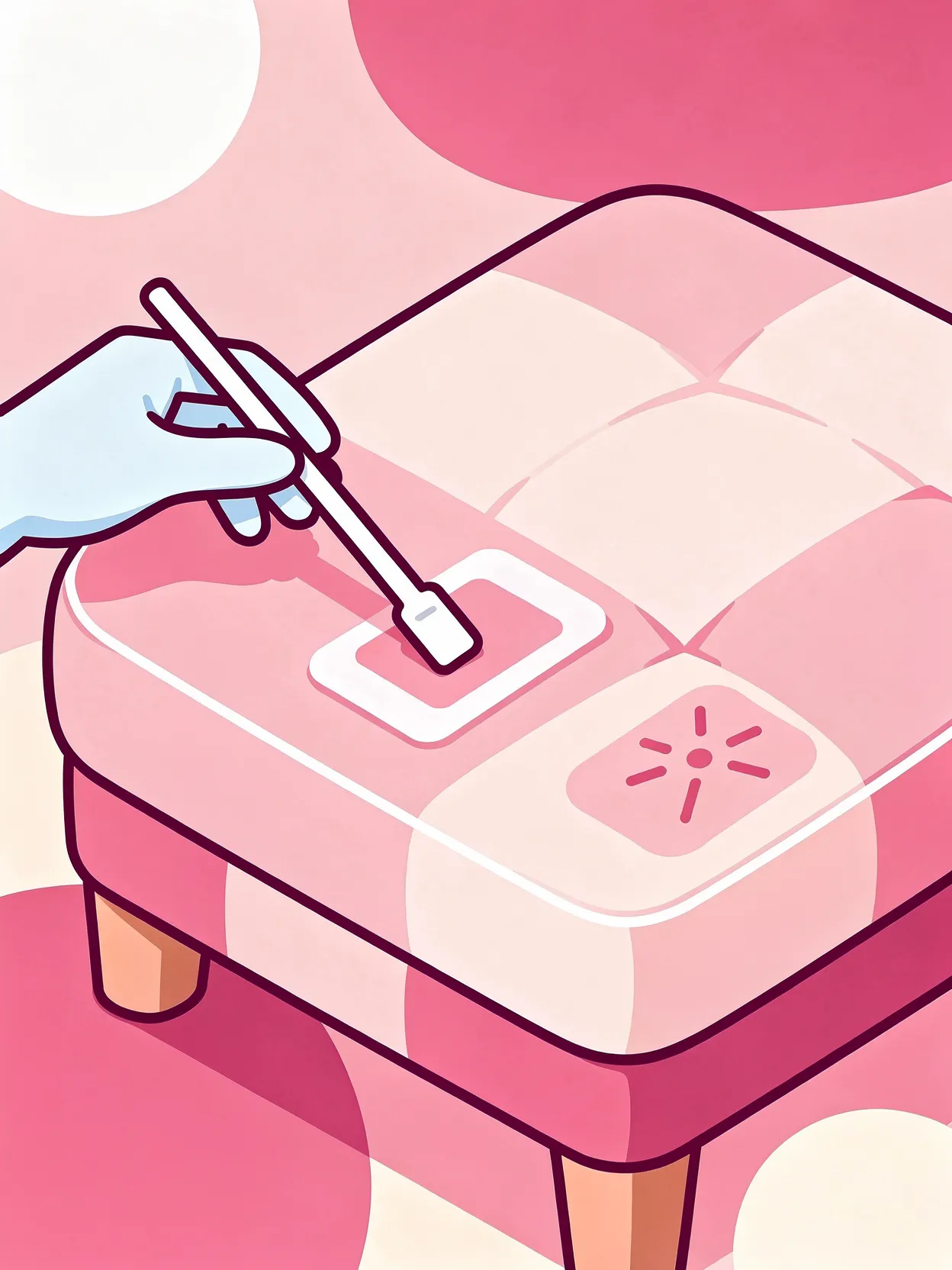
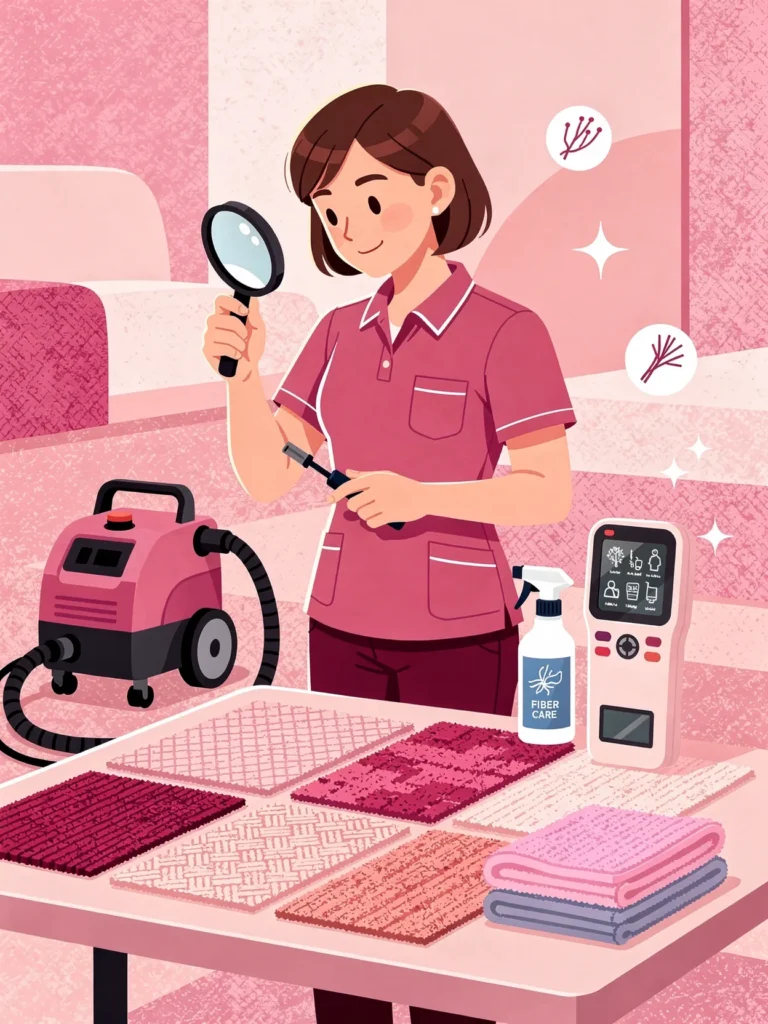
Testing is not an optional extra. It is one of the most important stages in safe carpet and upholstery cleaning. Before full cleaning begins, testing helps identify how a fabric may respond to moisture, solution, agitation, and heat.
Professional testing can help assess risks such as:
-
Colour movement or fading
-
Shrinkage potential
-
Texture distortion
-
Surface instability
-
Unexpected chemical sensitivity
Even fabrics that look similar can react differently. Age, wear, previous cleaning history, sunlight exposure, and earlier chemical use may all affect the result. Testing reduces avoidable risk by replacing assumptions with evidence.
Controlling Heat, Pressure, and Chemicals
Damage in fabric cleaning often comes from imbalance rather than from one obviously “wrong” act. Too much heat, too much pressure, too much solution, or too strong a chemical mix can each create problems. Combined, they can multiply those risks.
Control matters because fabrics respond to several forces at once:
-
Heat can affect dyes, fibres, and shrinkage behaviour.
-
Pressure can push moisture too deeply or distort pile and weave.
-
Chemicals can alter colour, texture, or residue levels if misused.
-
Agitation can improve cleaning, but too much can roughen or weaken the surface.
Professional cleaning aims for balance. The best result often comes from the least aggressive method that still achieves the intended outcome safely.
How Delicate Fabrics Are Cleaned Safely
Delicate fabrics are cleaned through reduction of risk, not by forcing standard methods onto sensitive materials. Safe handling typically includes:
-
Lower agitation
-
Gentler cleaning solutions
-
Careful moisture control
-
Close attention to testing results
-
Controlled drying conditions
In delicate fabric care, restraint is often a sign of expertise. The aim is to improve hygiene and appearance while preserving structure, softness, and stability.
Stains, Odours, and Fabric Hygiene Explained
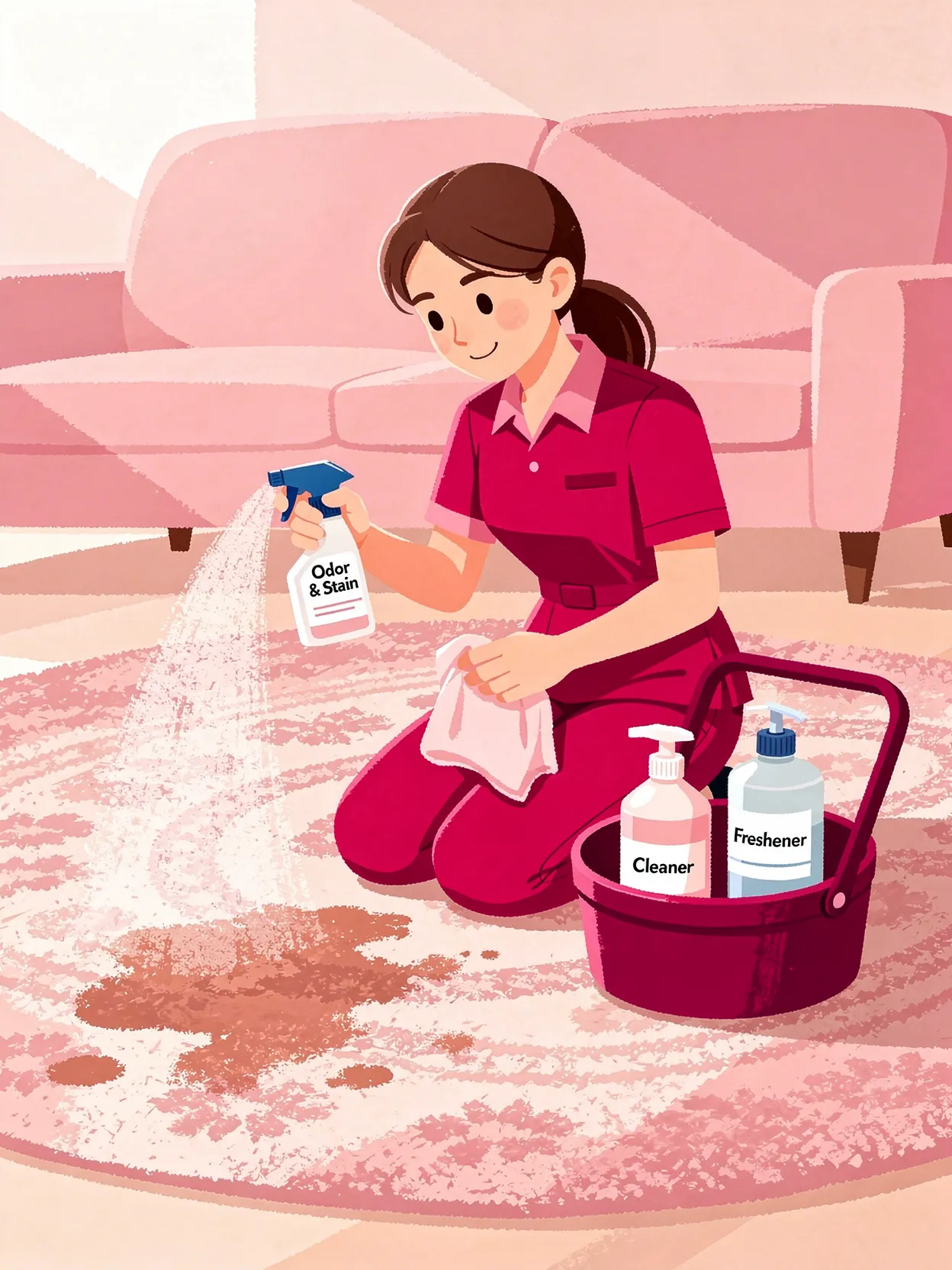
Not all stains are chemically or physically the same. Their behaviour depends on what they are made of, how long they have been present, how deeply they have penetrated, and how the fibre reacts to them.
Broadly, stain categories may include:
-
Protein-based stains, such as food or bodily fluid residues
-
Oil-based stains, which bind differently and often attract more soil
-
Tannin-type stains, common in drinks like tea or coffee
-
Synthetic or artificial colour stains, which can behave unpredictably
Because these stain types differ, treatment logic differs too. A method that works on one category may set another stain more firmly or spread it further. This is why stain removal is less about “stronger product” and more about correct identification and response.
Why Old Stains Are Harder to Remove
Fresh contamination usually remains closer to the stage where it can be suspended and removed. Older stains often change over time.
They may become harder to remove because of:
-
Oxidation
-
Repeated drying and reactivation cycles
-
Bonding with the fibre
-
Previous incorrect treatment attempts
-
Residue build-up around the original stain area
This does not mean older stains are never improved. It means expectations and methods must reflect chemical ageing and fibre interaction.
How Odours Become Trapped in Fabrics
Odours are not only “in the air.” Fabrics can absorb and retain the substances that produce them. Upholstery, carpet pile, underlay, and cushion filling may all hold odour sources below the visible surface.
Common odour categories include:
-
Pet-related contamination
-
Food and drink residues
-
Moisture-related bacterial activity
-
General build-up from prolonged use
Because of this, odour problems are not solved reliably by fragrance alone. The source must be reduced, neutralised, or removed through an appropriate process.
Deodorising vs True Odour Removal
There is an important difference between changing how something smells and addressing why it smells.
Deodorising may improve the scent temporarily or reduce perception.
True odour removal focuses on the source itself.
This distinction matters because masking an odour does not prevent it from returning. Professional hygiene-led cleaning aims to identify and deal with the underlying cause, not simply cover the symptom.
Allergens, Dust Mites, and Indoor Air Quality

Carpets and upholstery act like soft reservoirs. They can trap and hold a wide range of fine materials over time, including:
-
Dust mite matter
-
Pollen
-
Fine particulates
-
Skin flakes
-
General airborne debris
This does not mean fabric surfaces are inherently unhealthy. It means they need proper maintenance because they collect what circulates in lived environments.
Why Vacuuming Alone Is Not Enough
Vacuuming is important, but it mainly supports routine surface maintenance. It does not always remove the embedded contamination held within pile, backing, dense weave, or cushion structure.
Surface cleaning alone may leave behind:
-
Deep-set particles
-
Oily residues that hold more dirt
-
Trapped allergens below the upper layer
-
Odour sources linked to absorbed contamination
Professional carpet and upholstery cleaning addresses the gap between visible neatness and deeper hygiene control.
What Allergy-Safe Fabric Cleaning Really Means
Allergy-safe fabric cleaning is not a vague promise. It usually means cleaning in a way that reduces embedded contaminants while also controlling residues and unnecessary irritants.
A safer fabric cleaning approach typically values:
-
Low-toxicity or appropriately controlled solutions
-
Thorough residue management
-
Effective soil and particulate removal
-
Moisture control to avoid secondary problems
-
Drying processes that support hygiene stability
The key idea is balance. Allergy-aware cleaning should improve the fabric environment without replacing one problem with another.
Drying Time. Why It Matters More Than People Think
Drying is one of the most overlooked parts of carpet and upholstery cleaning. Many people focus on the visible cleaning stage and assume the job is essentially finished once the fabric looks refreshed. In reality, drying is part of the cleaning outcome itself. A fabric that is cleaned well but dried badly has not been managed properly.
Drying matters because moisture that remains in fibres, backing, underlay, cushion filling, or internal fabric layers can create secondary problems that only appear later. These issues may include odours, re-soiling, texture change, microbial activity, and a general sense that the fabric “did not stay fresh.”
Professional carpet and upholstery cleaning therefore treats drying as an active phase of the process, not as an afterthought.
What Affects Drying Time After Cleaning
Drying time depends on several factors working together, not on one issue alone.
The main influences include:
-
Fabric type
Some fibres release moisture more easily than others. Natural fibres and dense materials may hold water differently from synthetic ones. -
Fabric construction
Dense pile, thick backing, deep cushioning, and layered upholstery structures can all slow evaporation. -
Humidity
Moist air reduces the speed at which moisture leaves the fabric. -
Airflow
Moving air helps moisture evaporate more efficiently than still air. -
Temperature and environment
Cooler environments or poor ventilation can extend drying time significantly. -
Method used
A high-moisture process with poor extraction will naturally dry more slowly than a well-controlled low-moisture or efficiently extracted method.
This is why drying time cannot be judged by appearance alone. A surface may feel nearly dry while deeper layers still hold moisture.
How Professionals Reduce Drying Time Safely
Safe drying is not about forcing heat onto every fabric. It is about method control from the beginning.
Professionals reduce drying time through:
-
Strong extraction efficiency so less moisture remains behind
-
Careful moisture application in the first place
-
Air movement to support even evaporation
-
Method selection based on fabric tolerance
-
Avoiding oversaturation of backing or internal padding
-
Planning the cleaning sequence around drying behaviour
The best drying strategy often begins before the first pass of cleaning. If too much moisture is introduced, drying becomes a recovery problem instead of a controlled process.
Risks of Poor Drying
Poor drying affects more than comfort. It can directly reduce cleaning quality and shorten fabric life.
Common risks include:
-
Odours caused by lingering dampness and absorbed contamination
-
Re-soiling when sticky residues and moisture attract fresh dirt quickly
-
Microbial growth in poorly dried areas
-
Texture issues where pile or weave dries unevenly
-
Discomfort in use particularly with upholstery that feels cool or damp internally
Drying is therefore not separate from hygiene. It is part of hygiene.
Longevity, Maintenance, and Fabric Protection

The value of professional carpet and upholstery cleaning is not only in immediate appearance. One of its most important roles is extending the useful life of fabrics through controlled maintenance.
How Professional Cleaning Extends Fabric Life
Fabric wears down gradually, often in ways that are not obvious until the damage becomes permanent. One of the main causes is retained soil. Dirt that stays embedded in fibres continues to affect them with every movement, every footstep, and every use of the furniture.
Professional cleaning supports longevity by:
-
Removing embedded particles before they grind into fibres
-
Reducing sticky residues that attract repeated soil load
-
Managing oils that change how fabric looks and feels
-
Preserving softness, pile response, and overall surface performance
-
Supporting cleaner drying and lower contamination build-up over time
Fabric care is therefore not only cosmetic. It is preventive.
Why Dirt Acts Like Sandpaper on Fibres
A useful way to understand fabric wear is to think of trapped soil as an abrasive layer. Fine gritty particles sit among fibres and create friction with daily use.
In carpets, this means:
-
Foot traffic pushes abrasive particles deeper
-
Repeated compression increases fibre wear
-
Appearance changes may begin before true failure is noticed
In upholstery, the same logic applies through:
-
Repeated sitting and movement
-
Body oils combining with dust and particulates
-
Surface friction causing dullness and texture loss
This is why apparently “minor dirt” still matters. It continues to affect the material long after it becomes visually familiar.
The Role of Fabric Protection
Fabric protection is best understood as a supportive measure, not a substitute for cleaning. Its purpose is to help fabrics resist immediate absorption and slow the speed at which soils bond or spread.
A protective treatment may support:
-
Reduced moisture penetration in some cases
-
Slower re-soiling
-
Easier management of accidental spills
-
Better preservation of appearance between cleaning cycles
Protection is not a shield against neglect. It works best when combined with sensible maintenance and appropriate cleaning methods.
Why Preventive Maintenance Saves Money Long-Term
Replacing carpets or upholstered furniture is usually far more expensive than preserving them well. More importantly, replacement often happens earlier when maintenance has been inconsistent, aggressive, or purely reactive.
Preventive maintenance helps because it:
-
Reduces cumulative fibre damage
-
Supports fabric appearance over time
-
Lowers the risk of permanent staining or odour fixation
-
Preserves comfort and usability
-
Delays avoidable replacement decisions
The principle is simple. Fabric care is usually more efficient when handled before deterioration becomes structural.
Carpet vs Upholstery. Why They Require Different Approaches
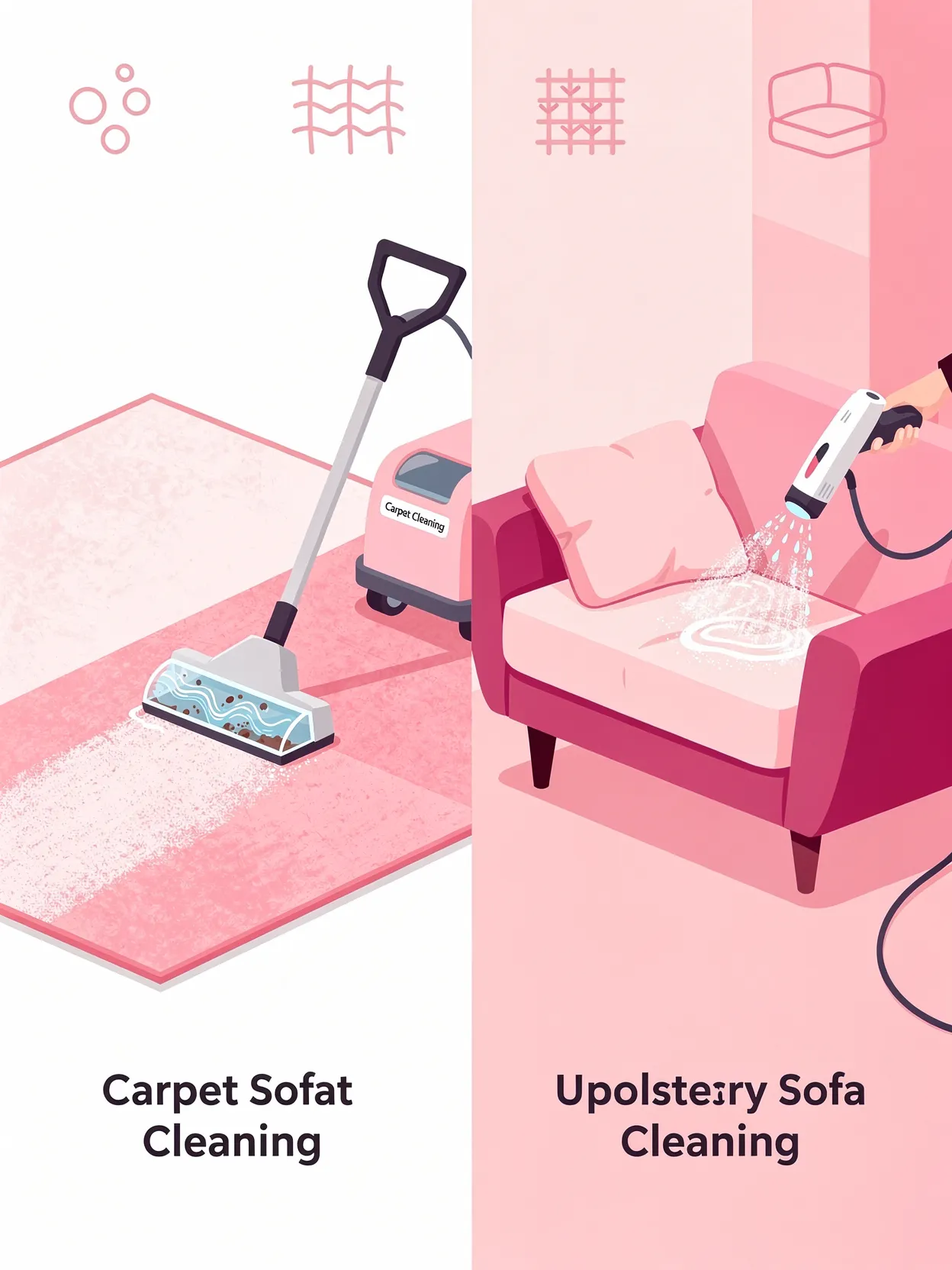
It is tempting to think of carpet and upholstery cleaning as two versions of the same task. They overlap in principles, but they differ significantly in risk profile, construction, and method control.
Differences in Usage Patterns
Carpets and upholstery collect soil differently because they are used differently.
Carpets are affected by:
-
Foot traffic
-
Outdoor soil transfer
-
Larger area exposure
-
Grit and particulate accumulation
Upholstery is affected more by:
-
Body contact
-
Skin oils and hair products
-
Food and drink contact in living spaces
-
Localised use patterns on arms, cushions, and head areas
This changes the type of contamination that must be managed.
Cushion Fillings and Odour Retention
Upholstery often includes internal padding, foam, fillings, or layered construction. These internal materials can trap moisture and odours more easily than people expect.
That creates several additional considerations:
-
Internal drying may be slower than surface drying
-
Odour sources may sit below the visible fabric
-
Over-wetting can affect comfort and structure
-
Seams and edges may react differently from central fabric panels
Carpets can hold contamination deeply too, especially in backing and underlay, but upholstery often introduces more complexity because of its layered interior design.
Drying Risks and Cleaning Profiles
Carpets usually allow broader workflow movement and sometimes more predictable drying support across open floor areas. Upholstery often requires more caution because moisture can settle into enclosed areas, stitched sections, or fillings.
This means upholstery cleaning often demands:
-
Tighter moisture control
-
Greater awareness of distortion risk
-
More targeted application
-
Closer post-clean monitoring
The shared principle remains the same. Method should follow material. But the practical execution often differs considerably.
Professional Knowledge vs DIY Cleaning
DIY cleaning has its place, but its limits need to be understood clearly. The issue is not that all home cleaning attempts are wrong. The issue is that fabrics are less forgiving than many people assume, and consumer tools often provide less control than the task requires.
Consumer Machine Limitations
Many domestic machines can improve surface appearance. That does not mean they replicate professional cleaning standards.
Common limitations include:
-
Weaker extraction capability
-
Less precise solution control
-
Greater risk of leaving excess moisture behind
-
Limited ability to match method to fabric type
-
Lower control over residues and drying performance
A machine may add water effectively without removing enough of it. That creates the impression of a deep clean while increasing drying-related risks.
Residue and Over-Wetting Risks
Two of the most common DIY issues are residue and over-wetting.
Residue problems happen when cleaning solution remains in the fabric. This can leave a sticky feel, attract fresh dirt faster, and make the surface appear dirty again sooner than expected.
Over-wetting problems happen when too much moisture reaches areas that cannot dry efficiently. This is particularly risky in upholstery, deep pile carpets, and fabrics with sensitive backing or internal padding.
These problems are often not obvious immediately. That delayed effect is one reason DIY cleaning can seem successful at first, then disappointing later.
When DIY May Be Reasonable
DIY cleaning may be reasonable in lower-risk situations such as:
-
Light maintenance on durable materials
-
Small fresh spills treated carefully and promptly
-
Routine vacuum-based upkeep
-
Surface-level refresh where the fabric type is well understood
The key is restraint. A limited maintenance task is very different from attempting deep restorative cleaning on an unknown material.
When DIY Becomes Risky
DIY becomes riskier when:
-
The fibre type is unknown
-
Upholstery is delicate or multi-layered
-
There is heavy staining or persistent odour
-
The fabric has shrinkage or colour sensitivity risk
-
Previous cleaning attempts have already altered the material
-
Slow drying conditions are likely
At that point, the issue is no longer “cleaning harder.” It becomes a matter of risk management, material understanding, and process control.
The Real Goal of Professional Carpet and Upholstery Cleaning
The real goal is not merely to make fabric look better for a short period. Appearance matters, but it is only one part of a larger outcome.
Professional carpet and upholstery cleaning aims to support:
-
Hygiene by reducing embedded soil, residues, and contaminants
-
Preservation by avoiding unnecessary damage during cleaning
-
Performance by helping fabrics feel, dry, and function properly
-
Longevity by reducing abrasive wear and unmanaged build-up
-
Restoration by improving condition without forcing replacement too soon
This is why the work should be viewed as restoration rather than simple dirt removal. Proper cleaning does not fight the fabric. It works with the fabric’s structure, limits, and behaviour.
A restored fabric is not only cleaner. It is safer, more stable, and more likely to continue performing as intended.
Final Thoughts. Cleaning That Protects, Not Just Removes Dirt

Carpet and upholstery cleaning is often underestimated because the visible result seems straightforward. Yet behind every safe and effective outcome sits a chain of decisions about fibre type, construction, moisture control, chemistry, drying, residue management, allergen handling, and long-term preservation.
That is why fabric cleaning should be approached as a discipline. It requires care, control, and an understanding that textiles do not respond well to guesswork or aggression.
The most reliable approach is the one that protects while it cleans. That means:
-
Testing before treatment
-
Matching method to material
-
Controlling heat, pressure, and moisture
-
Managing drying as part of the result
-
Focusing on longevity as well as hygiene
In the end, the strongest professional principle is a simple one. Good cleaning does not only remove dirt. It protects the fabric that remains.