Modern life does not always create tidy, manageable situations. Sometimes it creates pressure. A deadline appears. A property changes hands. Dust from repairs settles into every surface. A period of illness, disruption, or neglect leaves a home or workspace feeling difficult to recover. In these moments, routine cleaning often stops being the right answer.
That is where one-off cleaning becomes important.
One-off cleaning is often misunderstood as an occasional indulgence or a last-minute reaction. In reality, it is better understood as a strategic reset. It exists for situations where timing, intensity, and detail matter more than frequency. It is not about maintaining an already stable environment. It is about restoring order, usability, confidence, and cleanliness when everyday methods no longer match the situation.
This guide explains what one-off cleaning actually means, why it exists, and why a single clean can have a greater impact than weeks of ordinary maintenance. The aim here is clarity, not persuasion. By the end of this first part, the concept should feel easier to judge in real-life terms, especially for readers trying to understand whether a one-time reset is the right response to a specific moment
What Is One-Off Cleaning? And What It Is Not
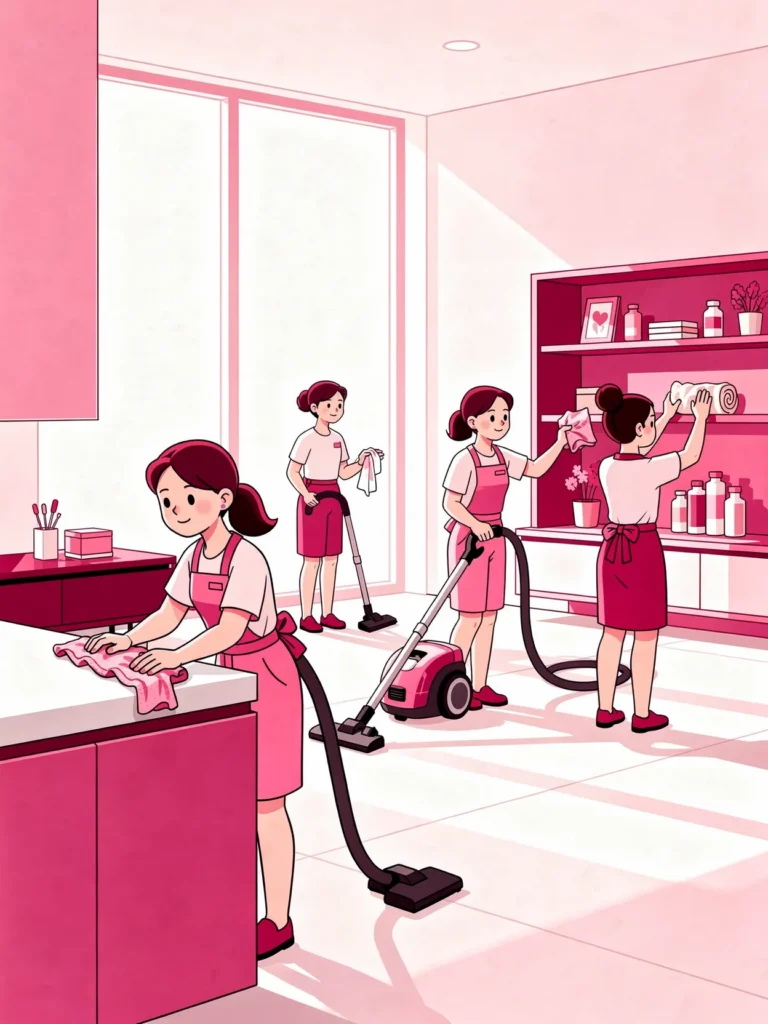
One-off cleaning is an intensive, targeted, outcome-driven cleaning approach used when a space needs a full reset rather than routine upkeep. It is designed for moments when normal cleaning patterns are either no longer enough or no longer relevant.
The key idea is simple. One-off cleaning focuses on restoring a space to a higher functional and visual standard in response to a specific condition, event, or deadline.
One-off cleaning is about reset, not routine
Routine cleaning supports continuity. It helps a home or workplace stay manageable over time. One-off cleaning does something different. It responds to a moment where the normal pattern has already been interrupted.
That interruption may come from:
-
time pressure
-
physical disruption
-
emotional overwhelm
-
property transition
-
hygiene concerns
-
visible deterioration in standards
A one-off clean is not trying to replace long-term maintenance forever. It is trying to deal with a specific situation properly.
How it differs from ongoing maintenance
The clearest difference between one-off cleaning and regular cleaning is intent.
Regular cleaning is maintenance-led.
One-off cleaning is reset-led.
Regular cleaning assumes there is already a workable baseline. One-off cleaning assumes the baseline has slipped, changed, or become unsuitable for the moment. That is why one-off cleaning often involves more intensity, more attention to overlooked areas, and a stronger focus on outcome.
In practical terms, one-off cleaning tends to involve:
-
more detail than everyday cleaning
-
deeper attention to build-up zones
-
stronger focus on presentation and usability
-
a full-space mindset rather than a quick surface pass
-
preparation for a deadline, event, handover, or recovery moment
What one-off cleaning is not
It is also useful to define what one-off cleaning is not.
It is not:
-
a quick tidy-up
-
a cosmetic wipe-over
-
a shortcut that ignores detail
-
a substitute for every long-term cleaning need
-
a guarantee that all future cleaning becomes unnecessary
This matters because many people imagine a one-off clean as “just doing a bit more in one visit.” In reality, the logic is different. One-off cleaning is shaped by circumstance. It exists because certain situations demand intensity and completeness rather than routine repetition.
Why One-Off Cleaning Exists in the First Place?

One-off cleaning exists because life does not unfold in neat, repeatable patterns. Many of the most demanding cleaning situations are not weekly events. They happen once, suddenly, or under pressure.
A house does not get renovated every month. A tenancy does not end every week. A major family transition does not arrive on a cleaning schedule. The need for a reset often appears when daily life is already busy, emotionally full, or logistically difficult.
Modern life creates non-repeatable situations
In ordinary periods, most people can keep a space reasonably functional with some version of routine cleaning. But modern life has a way of interrupting routines. Travel, illness, guests, repairs, deadlines, work intensity, family demands, and unexpected events can all push a space beyond what ordinary maintenance can recover quickly.
That is why one-off cleaning is not a luxury concept. It is a practical response to non-repeatable situations.
These situations tend to share three features:
-
they are time-sensitive
-
they change how the space is being judged
-
they require a result that routine cleaning cannot produce fast enough
Why routine cleaning cannot scale up on demand
Routine cleaning works because it is steady. Its strength is consistency. But consistency is not the same as intensity.
When a situation suddenly requires inspection-readiness, a full reset after repairs, or recovery from a period of neglect, routine cleaning usually cannot simply “scale up” without becoming something else entirely. The tools, effort, focus, and expectations change.
That is the point where one-off cleaning begins to make sense. It exists because some moments require a concentrated intervention rather than a continuation of the normal pattern.
Pressure points change the meaning of clean
Another reason one-off cleaning exists is that “clean enough” changes depending on context.
A space that feels acceptable in everyday life may no longer feel acceptable when:
-
someone is viewing the property
-
an inspection is approaching
-
work has just been completed
-
guests are arriving
-
illness has affected normal routines
-
a leak, spill, or hygiene issue has changed the condition of the space
In those moments, cleanliness becomes more than a background standard. It becomes part of readiness, confidence, and control.
Life Events That Trigger a One-Off Clean

One-off cleaning becomes easier to understand when it is anchored in real life. People rarely seek a full reset for abstract reasons. There is usually a moment behind it.
Major personal transitions
Periods of transition often create physical disorder alongside mental overload. Moving in or out, returning from a difficult period, preparing a home after a family change, or regaining control after disruption can all create conditions where ordinary cleaning no longer feels realistic.
In these moments, the importance of cleaning is not only visual. It becomes emotional and practical. A reset can help a space feel usable again.
Sudden changes in household routine
Even a stable household can be thrown off by a sudden change. Extra visitors, schedule disruption, temporary neglect, intensive work periods, or family health issues can create a backlog that routine cleaning struggles to absorb.
The problem is not always visible chaos. Sometimes the issue is gradual decline. Surfaces look passable, but standards have slipped in ways that become increasingly difficult to recover casually.
Comfort, confidence, and functionality
There are also moments when cleanliness affects more than hygiene. It affects how people move through a space, how comfortable they feel inviting others in, and how ready the environment feels for what comes next.
A one-off clean often matters most when a space needs to feel:
-
under control
-
presentable
-
usable again
-
psychologically lighter
-
aligned with a new phase or purpose
That is why the need can feel urgent even when the trigger is not dramatic. Sometimes the biggest impact comes from restoring a sense of order at the exact moment it is needed.
Property Transitions. When Cleanliness Shapes First Impressions
Property transitions change how a space is seen. A home, rental, office, or managed property may be familiar to the person living or working there, but once handover, viewing, or walkthrough enters the picture, the standard shifts.
Cleanliness becomes part of perception
First impressions form quickly. People notice the overall feel of a space before they consciously list the details. If the environment feels dusty, marked, stale, or only partially clean, confidence drops even if nothing is obviously wrong.
This is why “almost clean” often fails in property transitions. It creates hesitation. It suggests unfinished care.
A properly reset space feels different because it communicates:
-
readiness
-
attention
-
order
-
respect for the next stage of use
Why nearly clean can undermine confidence
In transitional settings, minor oversights matter more because the space is being judged as a whole. Build-up around fixtures, marks on touchpoints, dust on edges, residue in kitchens or bathrooms, and overlooked corners all shape perception.
A person walking through a property may not describe every detail, but they register the standard quickly. The result is often psychological before it is verbal. The space either feels properly prepared or it does not.
Handover moments raise the threshold
One-off cleaning becomes especially relevant in handover situations because the threshold of acceptability rises. Everyday cleanliness is often judged by the people using the space. Transitional cleanliness is judged by fresh eyes.
Fresh eyes are less forgiving. They notice what regular occupants have stopped seeing. That is why a one-off clean during property movement often has a disproportionate effect. It changes not only appearance, but perception and trust.
Renovations, Repairs, and the Reality of Post-Work Dust
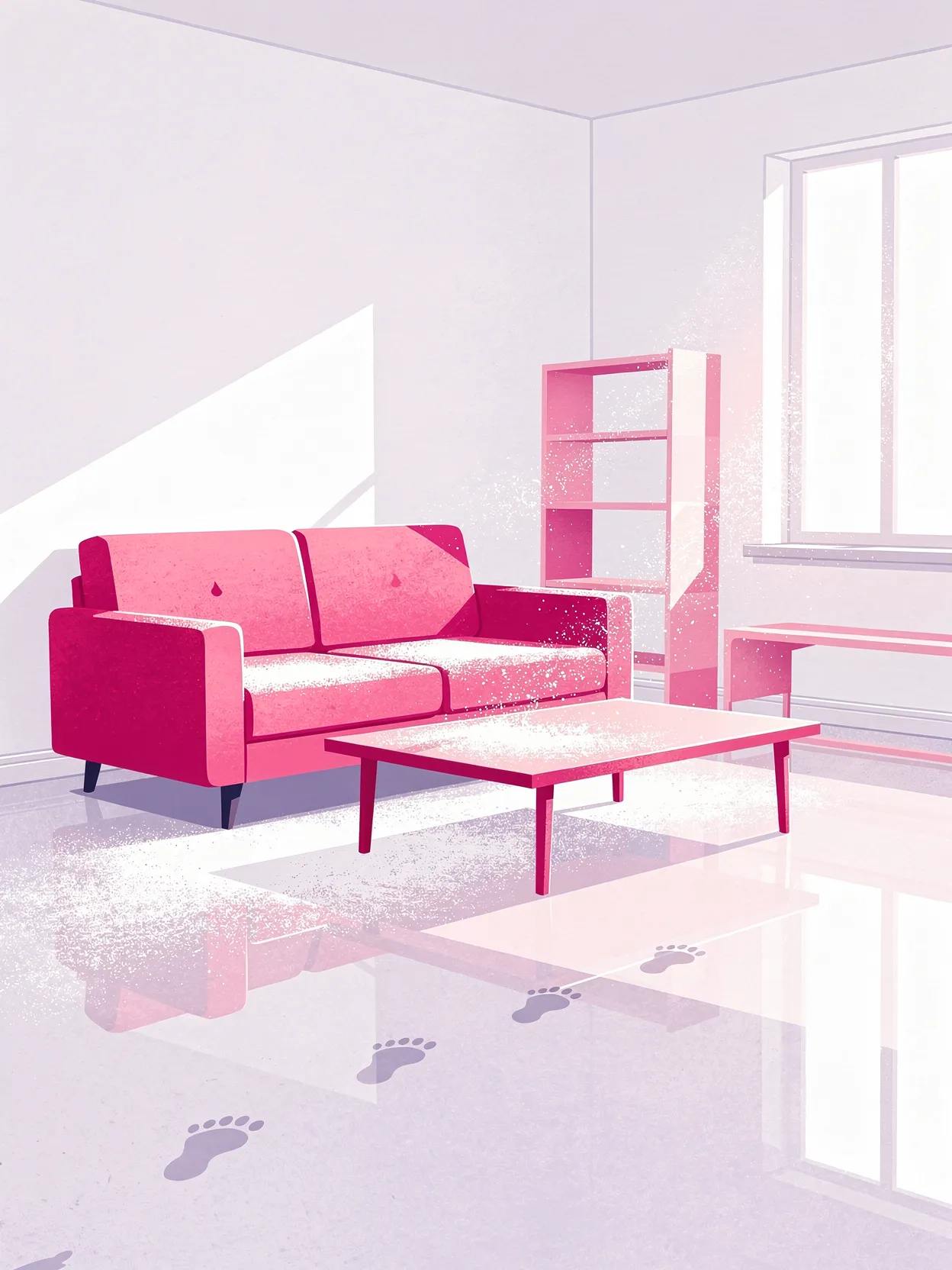
Cleaning after building work is often underestimated. Many people expect it to behave like ordinary dust or clutter. It does not.
Why renovation dust behaves differently
Post-work dust is finer, more mobile, and more persistent than the dust of daily life. It settles in layers, drifts into overlooked areas, and reappears after surfaces that looked clean a few hours earlier. It can affect ledges, skirting, fittings, vents, internal glass, corners, and soft furnishings with surprising speed.
This creates a frustrating pattern. A space may appear improved after repairs or renovation, but still feel unfinished because dust continues to surface.
How fine particles travel and settle
The challenge is not only volume. It is movement. Fine particles spread beyond the immediate work area and settle unevenly. That means a quick wipe-down often produces a false sense of completion.
Surface-level cleaning tends to fail because it:
-
addresses only visible dust
-
misses secondary settling zones
-
disturbs particles without fully removing them
-
leaves the space looking better but not fully reset
Why a full reset is often required
After repairs or renovation, the issue is rarely “one dirty room.” It is a change in the condition of the whole environment. The dust, residue, and disruption affect how the property feels as a complete space.
One-off cleaning becomes useful here because it is built around reset logic. It recognises that post-work conditions require more than resuming ordinary maintenance. They require a deliberate return to liveable, usable standards.
Inspections, Audits, and Deadline-Driven Cleaning
Some cleaning moments are defined by scrutiny. An inspection, audit, walkthrough, or deadline changes the standard because the space is no longer being judged casually.
Inspection standards are not everyday standards
A property can feel reasonably clean in daily life and still fall short under inspection. That is because inspections often focus on consistency, missed details, and signs of neglect or incomplete preparation.
This difference matters. Everyday cleanliness is usually evaluated through habit and familiarity. Inspection readiness is evaluated through distance and detail.
Why spaces can fail despite looking clean
A space may appear clean at first glance but still fail to inspire confidence when looked at more carefully. Common reasons include:
-
neglected edges and corners
-
residue build-up in kitchens or bathrooms
-
dust in overlooked areas
-
visible inconsistency between rooms
-
signs of rushed preparation
In other words, appearance alone is not enough. Deadline-driven cleaning often depends on completeness.
Timing matters as much as effort
Inspections also reveal why one-off cleaning is often about timing, not only intensity. A strong clean carried out too early may lose impact by the time scrutiny happens. A rushed effort too late may leave no room to correct missed areas.
That is why one-off cleaning is best understood as a strategic response. It works best when aligned with the moment the space will actually be judged.
Emergencies and Unexpected Situations
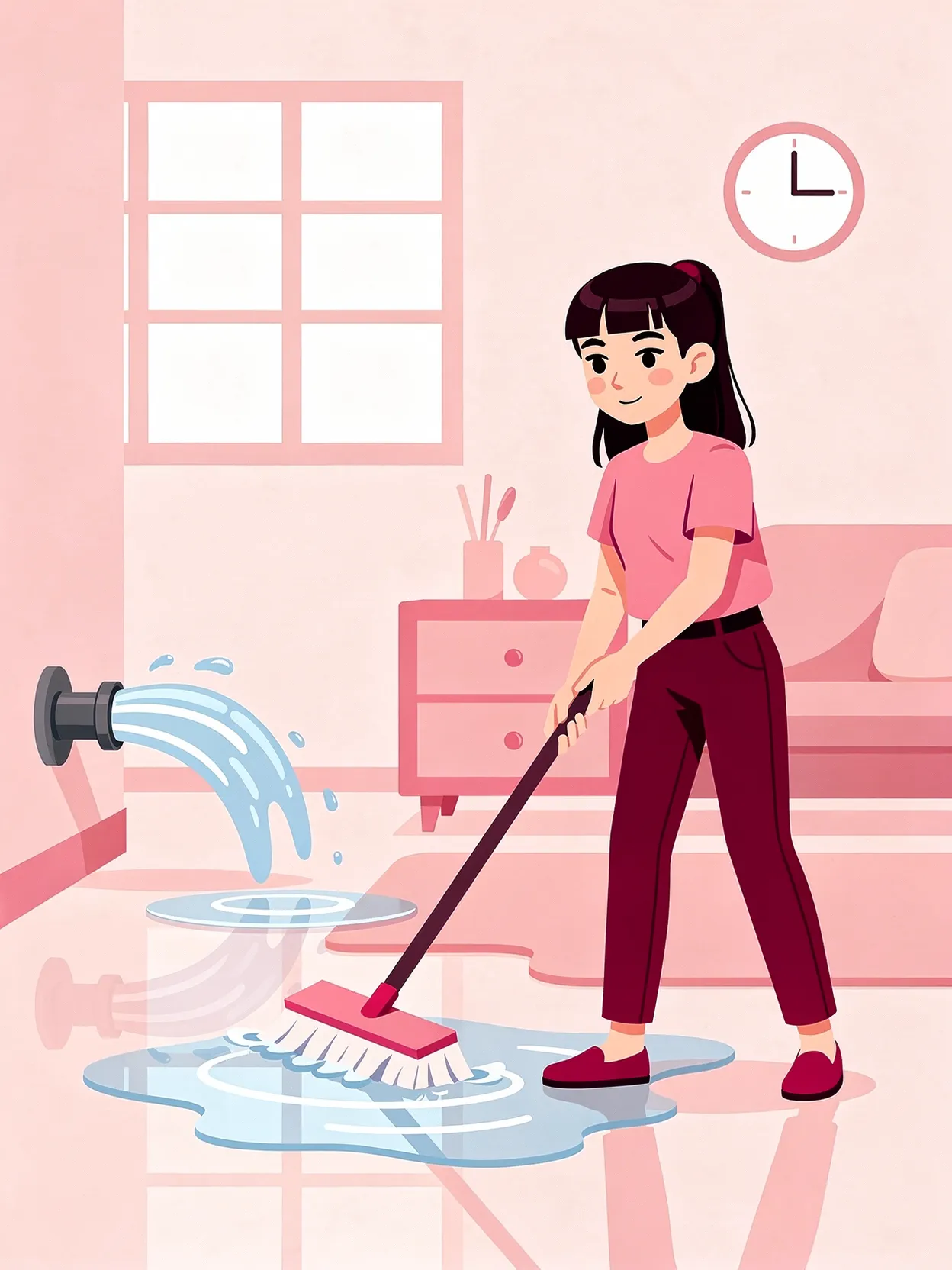
Not every one-off clean begins with planning. Some begin with disruption.
When urgency changes the cleaning priority
Accidents, spills, leaks, odours, sudden hygiene concerns, or periods of rapid disorder can push a space into a condition where normal routines no longer feel adequate. The need becomes less about keeping up and more about regaining control.
These moments often carry emotional urgency as well as practical urgency. People do not only want the visible issue addressed. They want the space to stop feeling compromised.
Why problems escalate if ignored
Unexpected situations often worsen with time. Moisture spreads. Odours settle. Residue hardens. Neglected mess becomes harder to remove and more likely to affect surrounding areas.
That is why one-off cleaning in emergency-adjacent situations acts as damage control. Its value is not only in improvement. It is in preventing deeper deterioration.
A focused reset restores usability
When a space has been disrupted unexpectedly, the most meaningful outcome is often usability. People want to return the room, home, or workplace to a condition where it feels normal again. That is the real impact of a one-off clean in urgent situations. It shortens the distance between disruption and recovery.
Health, Hygiene, and the Need for a Full Reset
There are times when cleaning is not only about appearance or presentation. It is about restoring a space after a period where hygiene standards have slipped, routines have broken down, or the environment no longer feels comfortable to use in the normal way.
When routine cleaning is no longer enough
Routine cleaning works best when conditions are stable. It helps maintain a baseline. But after illness, inactivity, heavy disruption, or prolonged neglect, that baseline may no longer exist in a meaningful way.
A space can look manageable at first glance and still feel wrong to live or work in. The issue is often cumulative. Dust has settled into less visible areas. High-touch points have not been fully addressed. Kitchens and bathrooms may carry residue, odour, or build-up that affects how usable the space feels day to day.
This is where one-off cleaning becomes different from ordinary upkeep. It is not trying to continue the routine. It is trying to restore the conditions that make routine possible again.
Post-illness environments and psychological reset
After illness, people often want more than a normal tidy-up. They want reassurance that the environment feels fresh, settled, and properly reset. Part of that is practical hygiene. Part of it is psychological.
A space that has carried the weight of illness or recovery can feel heavy even after the immediate issue has passed. One-off cleaning matters here because it helps mark a transition from disruption back to normal life.
That shift often involves attention to:
-
high-touch areas
-
shared surfaces
-
kitchens and bathrooms
-
stale or neglected zones
-
overlooked areas that affect the overall sense of freshness
Neglect, inactivity, and the return of usability
Sometimes the need for a full reset comes from a period of inactivity rather than an emergency. A room has not been used properly. A property has sat still. Life became busy and standards slipped further than expected.
In these cases, one-off cleaning supports a return to usability. It turns a space from something avoided into something functional again. That is one of its biggest strengths. It restores momentum.
Why One-Off Cleaning Is More Detailed Than People Expect?
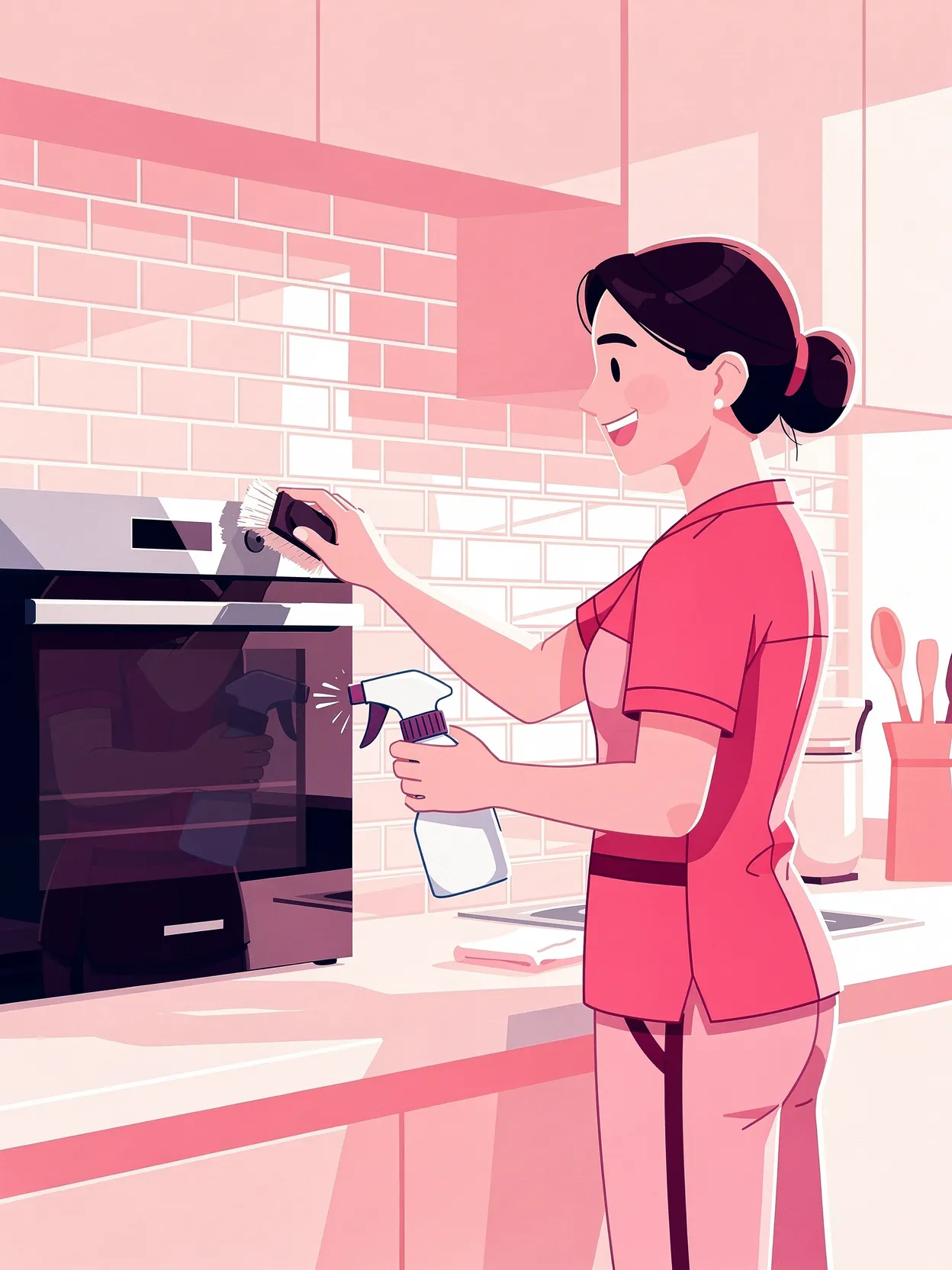
One-off cleaning is often underestimated because people imagine it as a larger version of ordinary cleaning. In reality, it usually works at a different level of detail.
The difference between tidying and resetting
Tidying improves how a space looks in the moment. Resetting changes the condition of the space more deeply. That difference explains why one-off cleaning can feel so much more significant than expected.
Tidying might involve:
-
putting things back in place
-
wiping visible surfaces
-
making rooms appear ordered
Resetting goes further. It aims to remove the signs of build-up, neglect, interruption, or incomplete cleaning that have altered the quality of the environment.
That often includes attention to:
-
edges, corners, and skirting
-
switches, handles, and contact points
-
residue zones in kitchens and bathrooms
-
marks on internal surfaces
-
less visible dust accumulation points
Why overlooked areas matter most
The areas people miss are often the areas that shape the final impression. This is because a space is judged as a whole. Even if most of a room looks clean, visible neglect in a few key zones changes how the entire space is perceived.
Overlooked areas matter because they:
-
break the feeling of completeness
-
suggest rushed preparation
-
hold onto dust, residue, or odour
-
become more obvious after the main surfaces have been improved
One-off cleaning often succeeds or fails on these details. The reset effect comes from thoroughness, not just effort.
Why intensity defines success
The intensity of a one-off clean is not about aggression. It is about concentration. The work is more focused, more deliberate, and more outcome-driven because the situation calls for a bigger shift.
That is why one-off cleaning can produce results that feel disproportionate to “just one clean.” It concentrates a higher level of detail into a moment where that detail matters most.
Expectations vs Reality. What a One-Off Clean Really Delivers
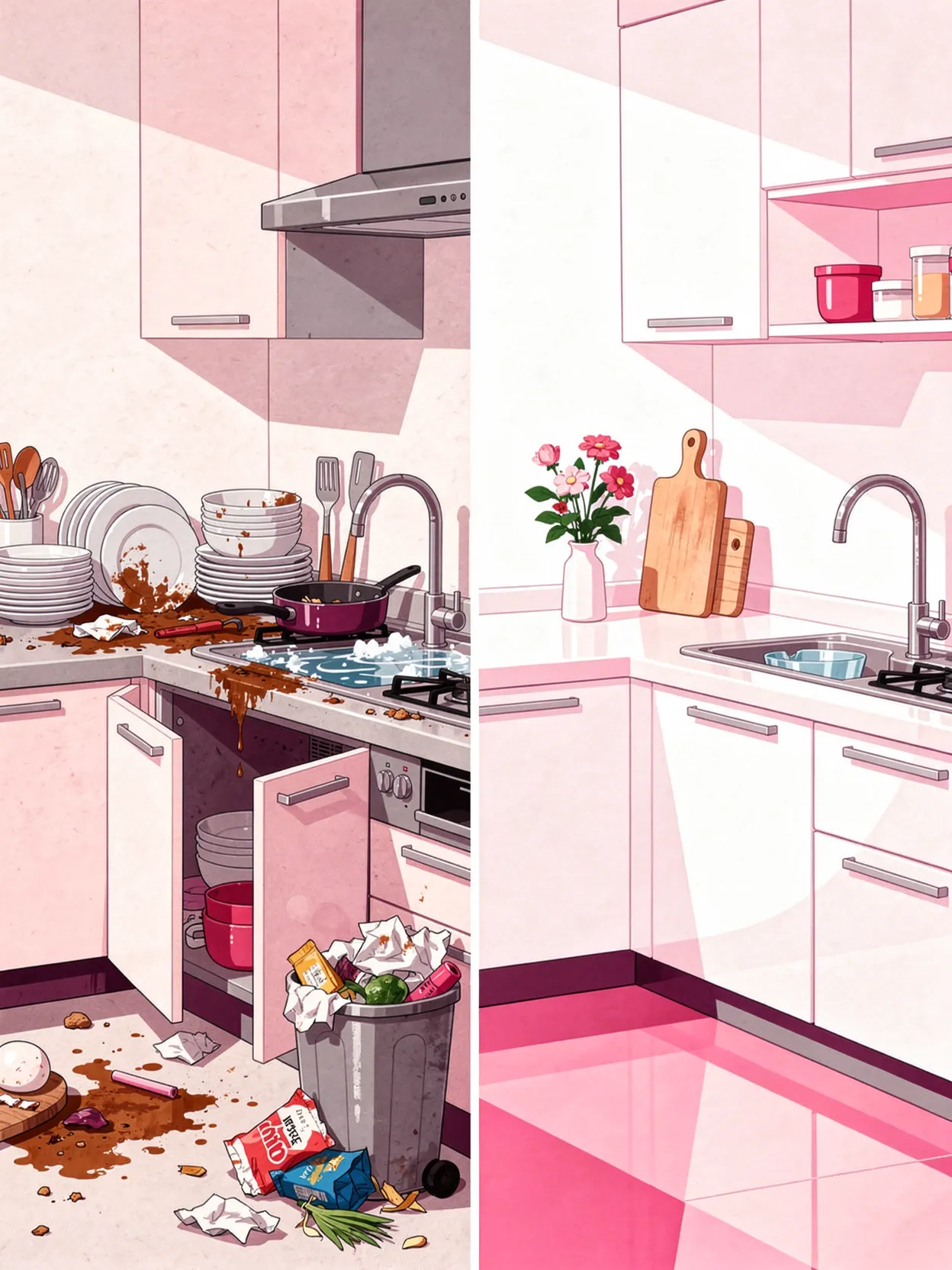
Many people approach one-off cleaning with mixed assumptions. Some expect miracles. Others assume it is basically a standard clean done in a rush. Neither view is especially accurate.
What people often assume will happen
A common assumption is that one-off cleaning simply makes a space look better for a short while. Another is that it is mostly visual, focused on quick appearance rather than practical change.
There is also a tendency to imagine that one clean should solve every issue permanently, regardless of the condition of the property, the materials involved, or the level of neglect.
These assumptions can distort expectations.
What actually changes afterwards
A well-executed one-off clean usually changes more than appearance. It often changes how a space feels, functions, and is perceived.
Common outcomes include:
-
rooms feel easier to use
-
the environment feels lighter and more settled
-
the property appears more cared for
-
missed details no longer distract from the whole
-
future maintenance becomes easier to manage
This is why the result often feels transformative. The shift is not only visual. It is functional and psychological.
Why the result feels bigger than “just cleaning”
One-off cleaning tends to have a strong impact because it often happens at the exact moment a person most needs change. The clean arrives during pressure, transition, discomfort, or uncertainty. When the environment improves, it changes the experience of that moment.
That is why a single clean can sometimes feel bigger than months of ordinary maintenance. It creates a turning point.
How resets influence future maintenance
A one-off clean can also reshape what happens next. Once a space has been reset properly, routine cleaning becomes more effective because it is supporting a stronger baseline.
In that sense, one-off cleaning is not always isolated from long-term care. Sometimes it is the event that makes future maintenance realistic again.
Preparing for a One-Off Clean. Without Overthinking It
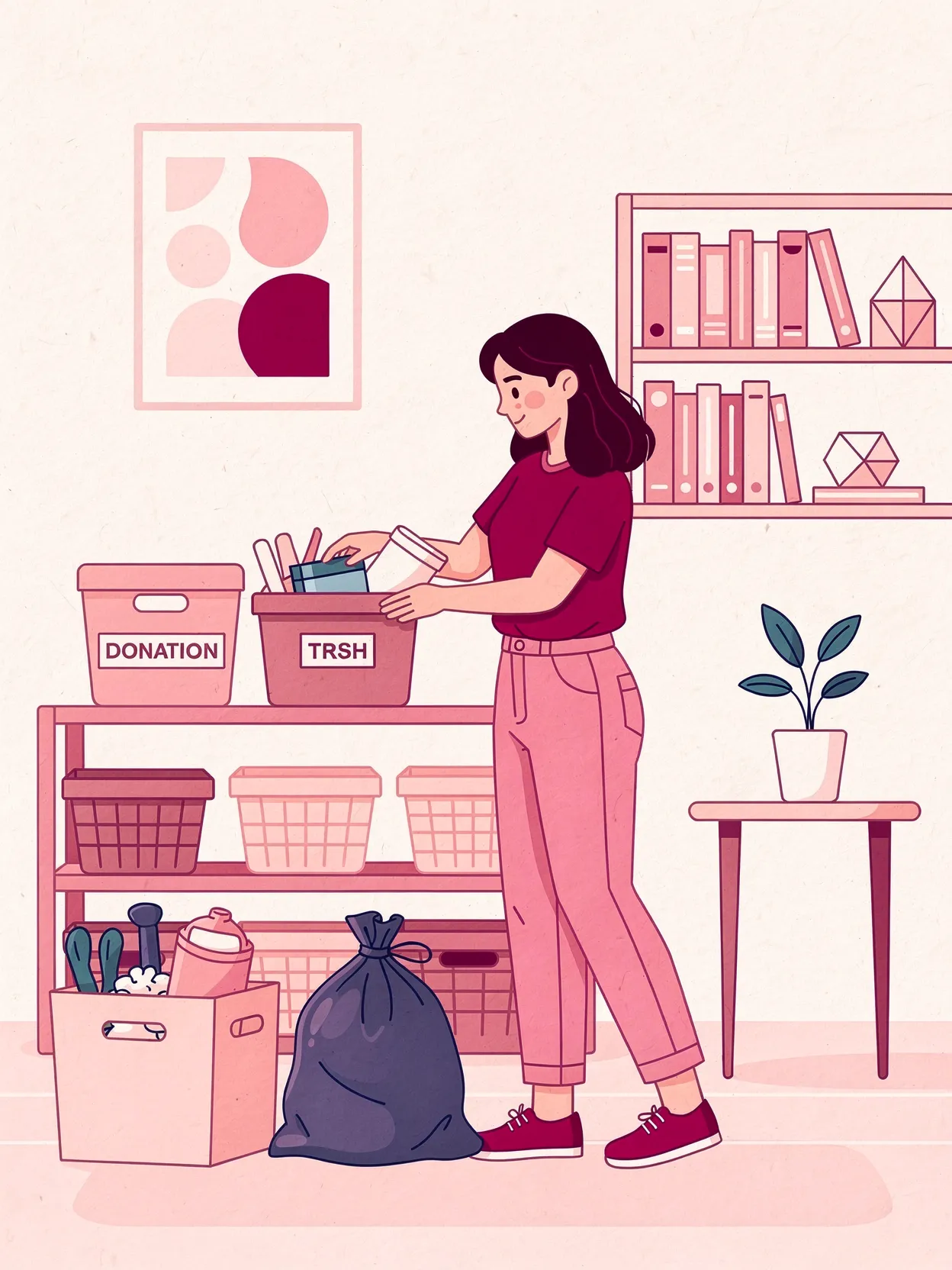
Preparation helps one-off cleaning work better, but it does not need to become a project of its own. The goal is not perfection before the clean begins. The goal is clarity.
Why preparation improves outcomes
A one-off clean works best when the cleaner can focus on the actual condition of the space rather than spend disproportionate time navigating avoidable obstacles. Preparation improves outcomes because it helps direct energy where it matters most.
Even light preparation can make a difference by:
-
making surfaces more accessible
-
clarifying priorities
-
reducing confusion in time-sensitive situations
-
helping the reset focus on cleaning rather than sorting alone
Decluttering and cleaning are not the same thing
This is one of the most useful distinctions. Decluttering deals with belongings. Cleaning deals with dirt, dust, residue, hygiene, and surface condition. The two overlap, but they are not identical.
People sometimes overthink preparation because they assume everything must already look organised before a one-off clean can be worthwhile. That is rarely the real issue. The real issue is whether the environment can be cleaned effectively and whether priorities are understood.
Prioritisation matters more than perfection
In one-time scenarios, not every area carries the same importance. A property handover, post-renovation reset, health-led clean, or emergency response each brings a different set of priorities.
That is why preparation is often less about “doing everything first” and more about knowing:
-
which spaces matter most
-
which issues are most urgent
-
which details are likely to affect the final outcome
-
what the clean is trying to achieve in that specific moment
Why communication matters in one-time scenarios
Because one-off cleaning is often situational, communication matters more than it does in routine contexts. The cleaner or decision-maker needs to understand what kind of reset is actually needed.
A one-off clean before an inspection is not judged the same way as one after renovation dust, illness, or sudden disruption. Clear priorities improve alignment between expectation and outcome.
One-Off Cleaning vs Regular Cleaning. Knowing When Each Makes Sense
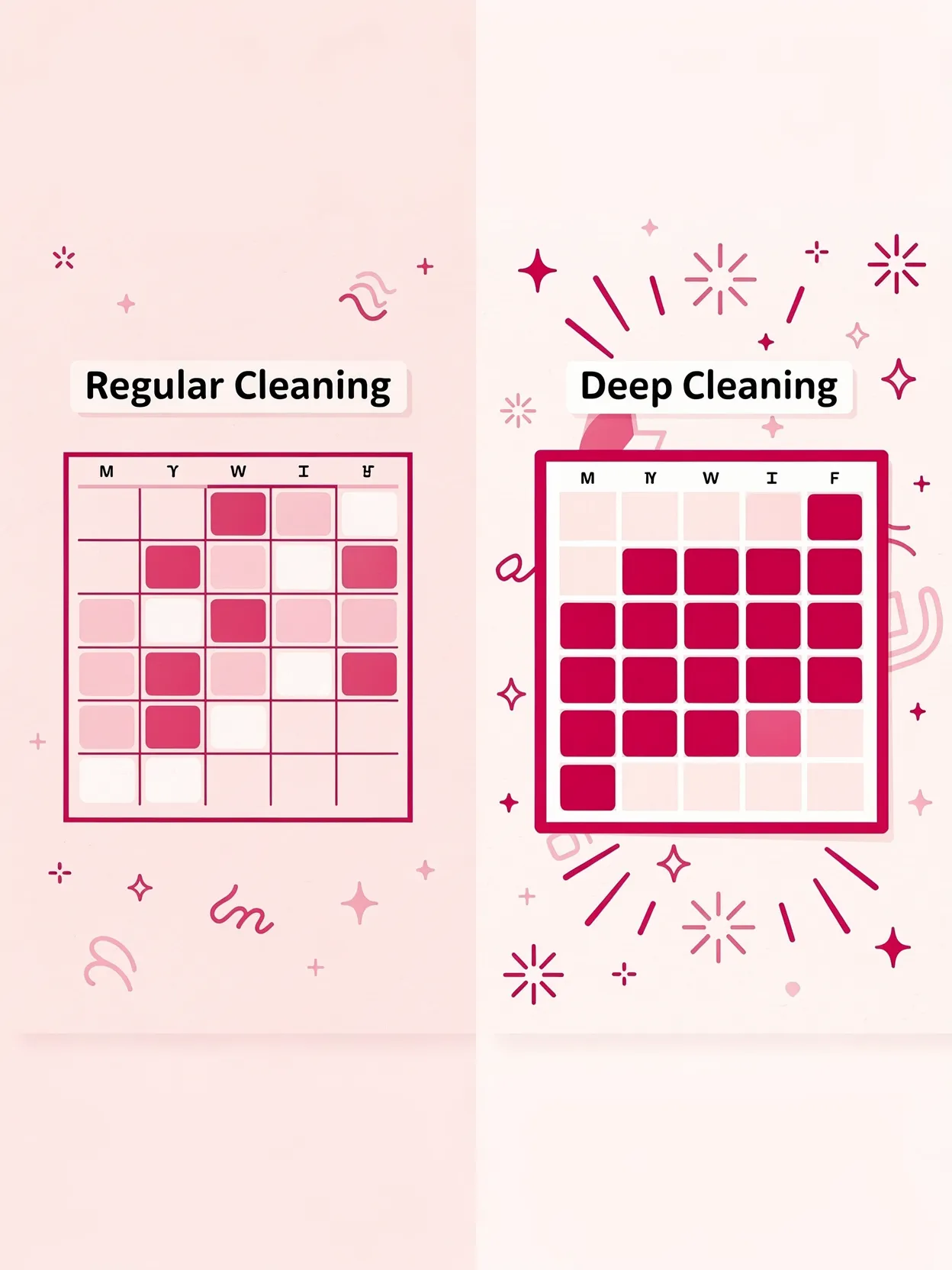
One-off cleaning and regular cleaning are related, but they solve different problems. Confusion happens when people try to judge one by the logic of the other.
One-off cleaning is situational
One-off cleaning is designed for moments. It responds to a condition, event, or deadline that has changed what the space needs.
Its logic is:
-
this situation is different
-
the normal pattern is not enough
-
a full reset matters now
That is why one-off cleaning often appears around transitions, pressure points, or moments of recovery.
Regular cleaning supports continuity
Regular cleaning makes sense when the goal is to preserve a workable baseline over time. It is less about dramatic change and more about preventing decline.
Its strength is consistency. It stops small issues from becoming large ones. It supports hygiene, order, and presentation before a bigger reset becomes necessary.
How resets prevent future problems
One-off cleaning can also have preventive value. When build-up, residue, dust, or general decline are allowed to continue, the effort needed later often becomes greater. A timely reset can interrupt that pattern.
In this way, one-off cleaning sometimes acts as a strategic intervention. It solves an immediate problem while also preventing the condition of the space from slipping further.
Why frequency is not always the answer
People sometimes assume that if a space feels too far gone, the answer must be “more often.” But frequency alone does not solve every cleaning problem. Some situations need intensity, not repetition. Others need a reset before maintenance becomes meaningful again.
That is why the choice between one-off cleaning and regular cleaning is not about which is better in general. It is about which matches the moment.
When a Single Clean Makes the Biggest Impact?

A single clean has its greatest impact when it arrives at the intersection of timing, need, and consequence. That is when one-off cleaning becomes more than a task. It becomes a turning point.
Timing changes the value of the clean
The same level of cleaning can feel ordinary in one context and deeply significant in another. Before an inspection, after illness, during a property transition, after renovation work, or in the middle of disruption, one clean can alter what happens next.
It can change:
-
how a property is perceived
-
how prepared a space feels
-
how comfortably people can return to using it
-
how much stress the environment creates
-
how manageable future maintenance becomes
Intensity and intent create the outcome
What makes one-off cleaning strategic is not simply that it happens once. It is that it is done with a clear purpose in response to a specific moment.
A one-off clean matters most when it is:
-
timed to the real need
-
detailed enough to create an actual reset
-
aligned with the condition of the space
-
understood as a situational response, not a routine substitute
Reframing one-off cleaning properly
One-off cleaning should not be seen as indulgent, impulsive, or secondary. In many real-life situations, it is the most rational form of cleaning because it answers the question the moment is actually asking.
Not every problem needs a schedule. Some need a reset.
That is the deeper logic behind one-off cleaning. It exists for the moments when routine cleaning cannot carry the weight of what has changed. In those moments, a single clean can make the biggest impact because it restores order, readiness, comfort, and confidence exactly when those things matter most.