Commercial environments are judged differently from private ones. In a home, cleaning can be personal, flexible, and shaped by preference. In a business setting, cleaning sits inside a wider framework of health, safety, continuity, presentation, and duty of care. That is why commercial cleaning standards matter far more than appearances alone.
A workplace may look tidy at first glance and still fall short of the standards needed to support hygiene, reduce risk, and protect operations. Shared washrooms, kitchens, entrances, meeting rooms, touchpoints, lift buttons, reception counters, and high-footfall flooring all create demands that are not solved by casual routines or visual checks alone.
Modern businesses also operate in an environment of higher scrutiny. Employees are more aware of hygiene expectations. visitors notice standards quickly. occupiers and facilities teams are expected to manage risk more carefully. reputational damage can begin with something as simple as repeated washroom complaints, poorly maintained shared areas, or evidence that cleaning is inconsistent and undocumented.
For that reason, commercial cleaning standards are not a cosmetic issue. They are an operational necessity. They influence how a building functions, how safe it feels, how well it supports the people inside it, and how confidently it stands up to inspection, oversight, and routine use.
This guide explains what commercial cleaning standards actually mean, why they differ from domestic expectations, and why businesses should treat them as part of responsible operations rather than an afterthought.
What Are Commercial Cleaning Standards?
Commercial cleaning standards are the defined rules, processes, frequencies, and quality expectations used to ensure a business environment is cleaned consistently, safely, and accountably. In simple terms, they turn cleaning from a vague activity into a measurable operational function.
A standard exists so that “clean” is not left to interpretation. Without a standard, one person may think a space is acceptable because surfaces look presentable. Another may focus on hygiene failures, missed touchpoints, waste overflow, residue build-up, or inconsistent washroom presentation. Standards reduce this subjectivity.
The purpose of standards
The purpose of commercial cleaning standards is not simply to make a building look good. Their role is broader and more practical. They support:
-
Consistency across days, teams, and shifts
-
Safer environments for staff, visitors, and contractors
-
Clear accountability for what should be done
-
Reduced disputes about whether expectations were met
-
Better oversight for facilities and operations teams
In other words, standards create predictability. Predictability matters in business because unmanaged variation creates complaints, inefficiency, and risk.
Why “looks clean” is not a standard
One of the most important distinctions in commercial environments is that visual impression alone is not enough. A reception area can appear neat while bins in staff kitchens are poorly managed. A washroom can smell fresh while touchpoints are inconsistently sanitised. A meeting room can look polished while dust, residue, or neglected edges suggest routines are incomplete.
“Looks clean” is not a standard because it is:
-
Subjective
-
Inconsistent between observers
-
Difficult to audit
-
Weak as evidence during complaints or reviews
Commercial cleaning standards rely on defined outcomes, documented routines, and repeatable checks. The goal is not a temporary impression. The goal is a controlled and reliable standard across the full environment.
Commercial vs Domestic Cleaning Standards. The Critical Differences

Why business environments create different cleaning demands
A common mistake is assuming that a commercial setting can be cleaned using the same logic as a private home, only at a larger scale. That assumption causes many standards failures.
Commercial environments differ because they involve:
-
Higher and more varied footfall
-
Shared facilities used by multiple people
-
Greater liability if hygiene or safety is neglected
-
Stronger expectations around documentation and accountability
-
More frequent touchpoints and contamination routes
A home is typically used by a small, familiar group. A workplace may be used by employees, visitors, contractors, delivery personnel, and clients in the same day. This changes both the level of risk and the need for system-led cleaning.
Why domestic logic fails in commercial settings
Domestic cleaning often works around convenience and preference. It is usually informal, flexible, and rarely documented. That logic does not transfer well into commercial operations because business environments require repeatability, oversight, and risk control.
Domestic logic tends to focus on:
-
Tidiness
-
Immediate appearance
-
Personal judgement
-
Flexible timing
Commercial logic must focus on:
-
Hygiene standards
-
Shared-space accountability
-
Routine frequency based on usage
-
Documentation and verification
-
Duty of care considerations
That is why commercial cleaning standards must be designed for the building’s use, not borrowed from domestic habits.
Footfall, shared spaces, and liability
The more people use a space, the less effective casual cleaning becomes. High footfall means more dirt ingress, faster washroom decline, more frequent touchpoint contact, and greater pressure on shared amenities.
In commercial settings, cleaning standards must respond to:
-
Entrances and circulation routes
-
Shared desks or common-use surfaces
-
Staff kitchens and eating areas
-
Toilets and washrooms
-
Meeting spaces and visitor-facing zones
If these areas are not cleaned to a clear standard, the issue is not only presentation. It becomes a matter of liability, complaints, employee confidence, and business reputation.
Hygiene and Health. The Foundation of Commercial Cleaning Standards
Hygiene as prevention, not reaction
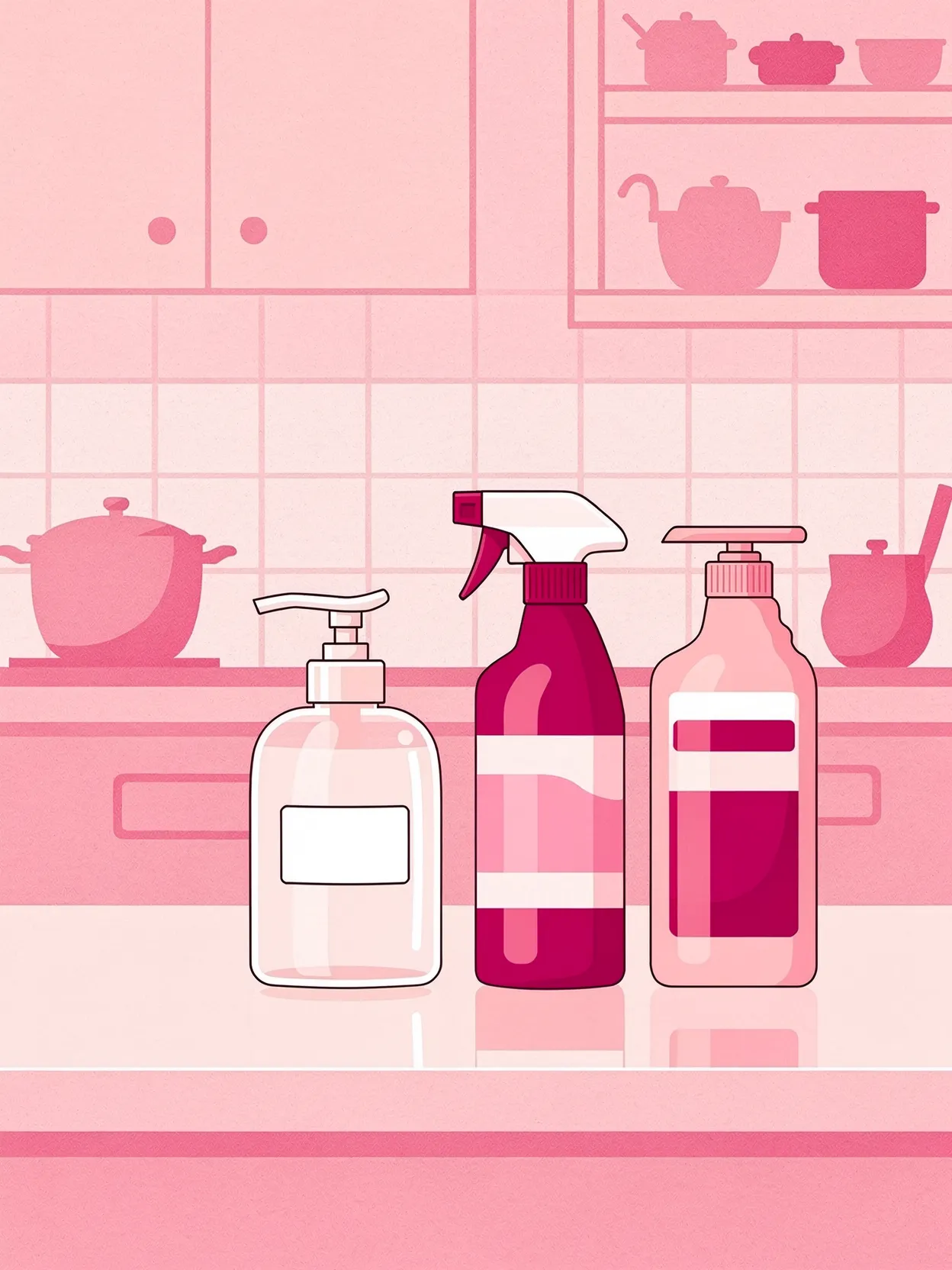
Strong commercial cleaning standards treat hygiene as a preventative discipline, not a last-minute reaction to visible dirt or complaints. The objective is to reduce build-up, contamination, and avoidable hygiene failures before they affect staff, visitors, or operations.
This matters because many hygiene risks are not obvious at first glance. High-touch areas can appear visually clean while still being inconsistently maintained. Shared kitchens can look acceptable while harbouring residues and waste issues that undermine hygiene confidence.
Commercial cleaning standards therefore place emphasis on prevention through:
-
Routine frequency
-
Clear workflows
-
Touchpoint awareness
-
Cross-contamination controls
-
Correct methods and product use
High-risk zones in commercial environments
Not all areas carry the same hygiene weight. Standards are strongest when they recognise that certain zones matter more because they present greater shared use, higher contamination risk, or more severe consequences if poorly maintained.
Typical high-risk zones include:
-
Washrooms
-
Staff kitchens and break areas
-
Door handles and push points
-
Lift buttons and shared controls
-
Reception counters
-
Handrails and stairwell touchpoints
-
Waste collection points
Commercial cleaning standards should reflect this hierarchy. Equal effort across all zones is not the same as intelligent standards. Good standards prioritise risk.
Impact on absence and continuity
Businesses do not need to turn cleaning into a medical discussion to understand its operational value. Poor hygiene standards can undermine confidence in the workplace, contribute to unnecessary absence pressure, and create a setting where minor problems become recurring issues.
When hygiene is well managed:
-
Staff feel safer using shared facilities
-
Complaints are less frequent
-
Shared spaces remain functional
-
Daily operations face fewer avoidable disruptions
That is why hygiene standards sit at the centre of commercial cleaning standards. They protect continuity as much as appearance.
Compliance and Duty of Care. Why Standards Are Not Optional

Cleaning and business responsibility
Every business has a duty to maintain a reasonably safe and suitable environment for the people who use its premises. That responsibility applies whether the building is customer-facing, staff-only, multi-tenant, or mixed-use. Cleaning standards support that responsibility by giving structure to what maintenance and hygiene should look like in practice.
At a high level, standards help businesses demonstrate that they are managing premises responsibly rather than relying on assumptions.
The role of standards in compliance
Compliance is often misunderstood as paperwork alone. In reality, compliance depends heavily on whether systems are working in day-to-day operations. Commercial cleaning standards are one of those systems.
They help support compliance by providing:
-
Defined expectations for hygiene and presentation
-
Repeatable routines rather than reactive cleaning
-
Evidence that maintenance is being managed
-
Clarity on responsibilities across teams or contractors
-
A framework for inspections and corrective action
This is why standards are not optional. Without them, a business may have no reliable way to show what should have happened, what did happen, or how problems are identified and corrected.
Evidence, documentation, and inspections
Documentation matters because verbal expectations disappear the moment something goes wrong. If there is a complaint, an inspection concern, or a dispute about performance, undocumented cleaning becomes difficult to defend.
Useful documentation can include:
-
Cleaning schedules
-
Area-specific checklists
-
Supervisor checks
-
Incident or issue logs
-
Corrective action records
-
Review notes after inspections
Commercial cleaning standards become stronger when they are visible, traceable, and easy to review. Evidence supports accountability, and accountability protects the business.
Consistency. The Real Measure of Commercial Cleaning Standards
Why one-off results mean very little
A building can look excellent on one day and fall apart the next if the system behind it is weak. That is why consistency is the real measure of commercial cleaning standards.
One-off results are easy to overvalue. A single strong shift, a pre-visit tidy-up, or a rushed reset before an inspection may create the impression of quality. But commercial environments are not judged once. They are judged repeatedly, by different people, across different times of day, under changing workloads.
Standards only matter when they hold under normal use.
Systems remove subjectivity
Consistency comes from systems, not effort alone. A motivated cleaner without structure may still produce uneven results because priorities shift, routines are improvised, and detail areas are missed.
Commercial cleaning standards become consistent when supported by:
-
Scheduled routines
-
Task sequencing
-
Clear area ownership
-
Defined frequencies
-
End-of-task verification
-
Escalation for issues outside routine cleaning
These systems reduce subjectivity. They help ensure that quality does not depend entirely on who happened to be working that day.
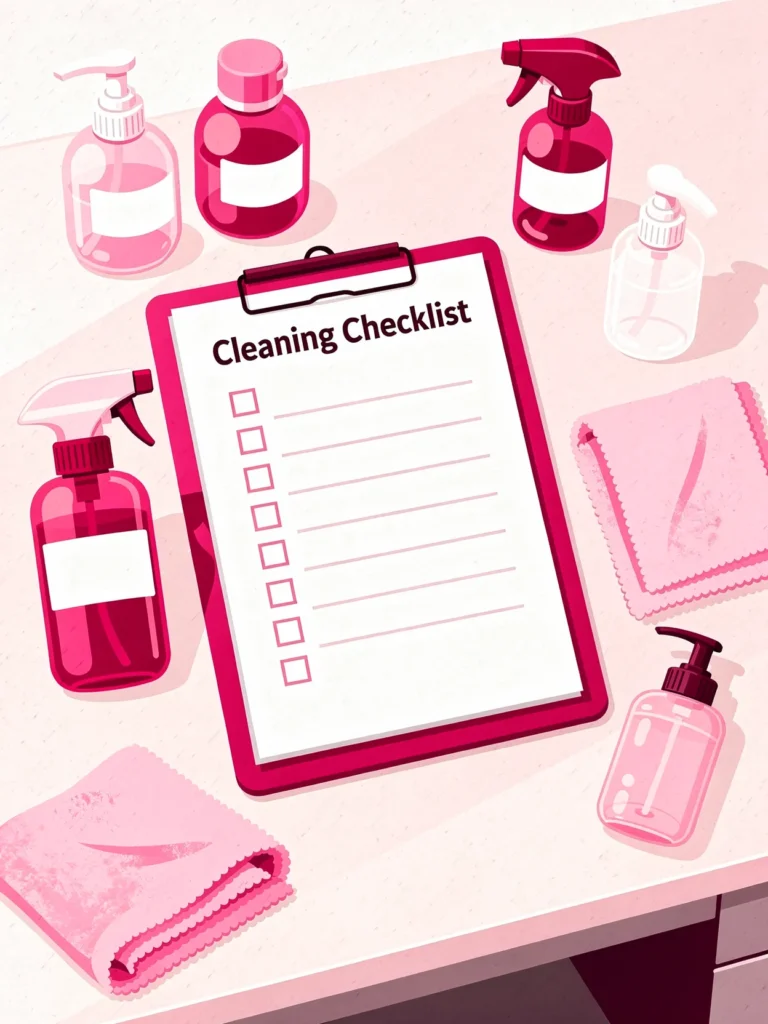
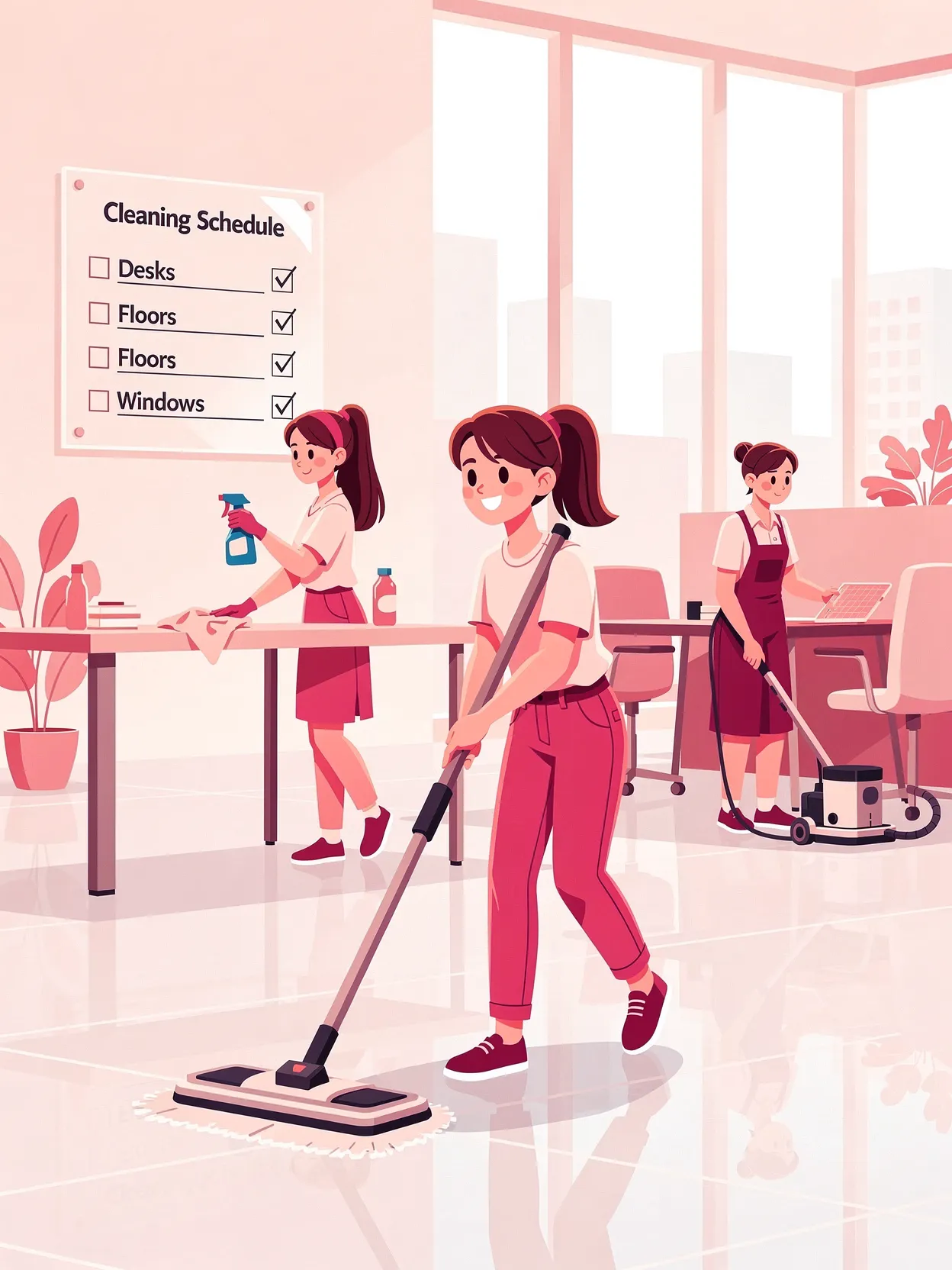
Schedules, checklists, and routines
Three practical tools sit at the centre of consistency.
Schedules define when cleaning should happen and how often specific tasks are required.
Checklists define what completion looks like.
Routines create habitual consistency so standards can be maintained under pressure.
Together, these tools help businesses move from “I assume this was done” to “I know what should happen, and I can verify it.”
Risk Reduction and Business Protection
Cleaning as risk management
Commercial cleaning standards are often treated as an operational detail, but they are also a form of risk management. Poor standards increase exposure to problems that may begin small and become expensive or reputationally damaging over time.
Cleaning-related risks can include:
-
Hygiene complaints
-
Slips linked to poor process control
-
Poor washroom conditions affecting visitor perception
-
Waste management issues
-
Surface neglect leading to avoidable wear or damage
-
Disputes about whether standards were met
When businesses view cleaning through a risk lens, standards become easier to justify and easier to govern.
Operational and reputational risk
The impact of poor cleaning is not limited to the environment itself. It affects how the organisation is perceived.
For employees, poor standards can signal neglect or weak management control. For clients or visitors, they may raise doubts about professionalism. For procurement or compliance stakeholders, inconsistent cleaning can indicate weak oversight.
This reputational layer matters because perception often forms quickly in shared spaces such as:
-
Reception areas
-
Meeting rooms
-
Visitor washrooms
-
Communal kitchens
-
Corridors and entrances
A visible lapse in one area can call the wider standard into question.
Complaints, claims, and insurance implications
While not every issue escalates, poorly managed cleaning standards can contribute to complaints and claims that are harder to resolve when records are weak. This is especially true when a business cannot show what its cleaning expectations were, how performance was checked, or whether known issues were corrected.
That is why strong commercial cleaning standards serve a protective function. They do not eliminate all risk, but they reduce avoidable exposure and improve defensibility when problems arise.
Facilities Management and Oversight

Why standards matter in facilities management
For facilities teams, cleaning is not a standalone task. It forms part of the wider management of building performance, user experience, compliance, and operational continuity. Standards matter because facilities management depends on control, and control requires clarity.
Commercial cleaning standards help facilities teams by making performance easier to:
-
Specify
-
Monitor
-
Compare
-
Correct
-
Report
Without standards, cleaning becomes difficult to oversee because quality is debated informally instead of measured against agreed expectations.
Single-site and multi-site realities
Oversight becomes even more important when businesses operate across multiple locations. In a single site, inconsistency may be noticed quickly because the same management team sees the environment daily. In multi-site operations, weak standards can persist longer because variation is harder to detect and compare.
That is why multi-site environments rely heavily on:
-
Standardised specifications
-
Shared reporting formats
-
Area-based accountability
-
Audit routines
-
Clear escalation paths
Commercial cleaning standards allow distributed operations to remain controlled rather than fragmented.
Monitoring performance and accountability
Facilities oversight works best when performance is observable and documented. Monitoring should not depend entirely on complaints. A strong oversight model includes proactive review.
Performance monitoring may involve:
-
Scheduled inspections
-
Spot checks
-
Photo evidence where appropriate
-
Review of logs and task completion
-
Trend analysis around recurring issues
Commercial cleaning standards create the framework that makes this oversight meaningful.
Measuring Commercial Cleaning Standards. Audits and Accountability
Commercial cleaning standards only become meaningful when they can be assessed objectively. A business may have schedules, routines, and written expectations, but if no one checks whether those expectations are being met, the standard remains theoretical.
That is why audits and accountability sit at the centre of any standards-led approach.
What audits actually assess
A cleaning audit is not simply a visual walk-through. At its best, it is a structured review of whether the cleaning standard is being delivered consistently across the environment.
Audits typically assess:
-
Condition of key areas and touchpoints
-
Completion against agreed routines
-
Cleanliness of high-risk zones
-
Presentation and hygiene in shared spaces
-
Evidence of missed tasks, drift, or repeat failures
-
Whether documentation matches what is visible on site
The value of an audit is that it moves the conversation away from opinion and towards evidence.
Objective quality versus subjective judgement
One of the main reasons businesses struggle with cleaning quality is that they rely too heavily on subjective judgement. Someone says a washroom is “fine.” Someone else says it is “below standard.” Without defined criteria, both views remain personal.
Commercial cleaning standards become stronger when quality is assessed through objective markers such as:
-
Whether bins were emptied as scheduled
-
Whether washroom consumables were replenished
-
Whether high-touch points were included in the routine
-
Whether floors, fixtures, and surfaces meet the defined finish standard
-
Whether recurring issues were escalated and recorded
Objectivity matters because it reduces conflict and improves control.
Logs, reviews, and corrective action
Audits are most effective when they do not stop at observation. They should feed into review and corrective action.
That often includes:
-
Logging issues clearly
-
Identifying whether the issue is isolated or repeated
-
Assigning responsibility for correction
-
Recording follow-up action
-
Adjusting routines if the same problem keeps returning
This process is important because standards are not maintained by inspection alone. They are maintained by response. If repeated shortcomings are noticed but not corrected, the presence of an audit changes very little.
Accountability as part of standards maturity
Accountability means there is a clear link between expectation, delivery, review, and correction. It helps answer four practical questions:
-
What should have been done?
-
Was it done?
-
If not, why not?
-
What happens next?
Where these questions can be answered clearly, commercial cleaning standards are usually mature. Where they cannot, quality tends to drift and oversight becomes reactive.
Communication and Expectation Setting

Cleaning problems in commercial settings are often blamed on performance when the deeper issue is unclear expectation. If the required standard is vague, even competent delivery may still disappoint because the result was never properly defined.
Why disputes happen
Disputes commonly arise when one side assumes something was included and the other never treated it as part of the agreed standard. This happens when expectations are based on general language rather than written definition.
Examples include assumptions around:
-
Frequency of washroom checks
-
Whether touchpoints are part of every routine
-
What “deep clean” or “thorough clean” actually means
-
Whether certain shared spaces receive equal attention
-
What should happen if a problem is noticed outside routine scope
When outcomes are not defined, interpretation fills the gap. That is where disagreement begins.
Written specifications reduce ambiguity
Clear written specifications are essential because they turn assumptions into a shared reference point. They help define:
-
Which areas are included
-
What standards apply to each area
-
How often tasks should occur
-
Which issues require escalation
-
How quality will be reviewed
A written specification does not need to be overly technical to be effective. It needs to be clear enough that both operations teams and cleaning teams understand the same outcome.
Defined outcomes matter more than vague promises
Business environments work better when expectations are expressed in terms of outcomes, not general intentions.
For example, outcome-based communication focuses on questions such as:
-
Should this washroom remain inspection-ready throughout the working day?
-
Which touchpoints require routine attention?
-
What level of replenishment and presentation is expected?
-
What should happen when heavy use changes the normal pattern?
This approach makes cleaning easier to govern because the standard becomes practical rather than rhetorical.
Communication as part of accountability
Good communication does not end once a specification is written. Standards must continue to be reinforced through:
-
Reviews
-
Site feedback
-
Operational updates
-
Reporting on recurring issues
-
Clarification when building use changes
Commercial cleaning standards are easier to maintain when communication is active, specific, and tied to evidence.
Sustainability Within Commercial Cleaning Standards
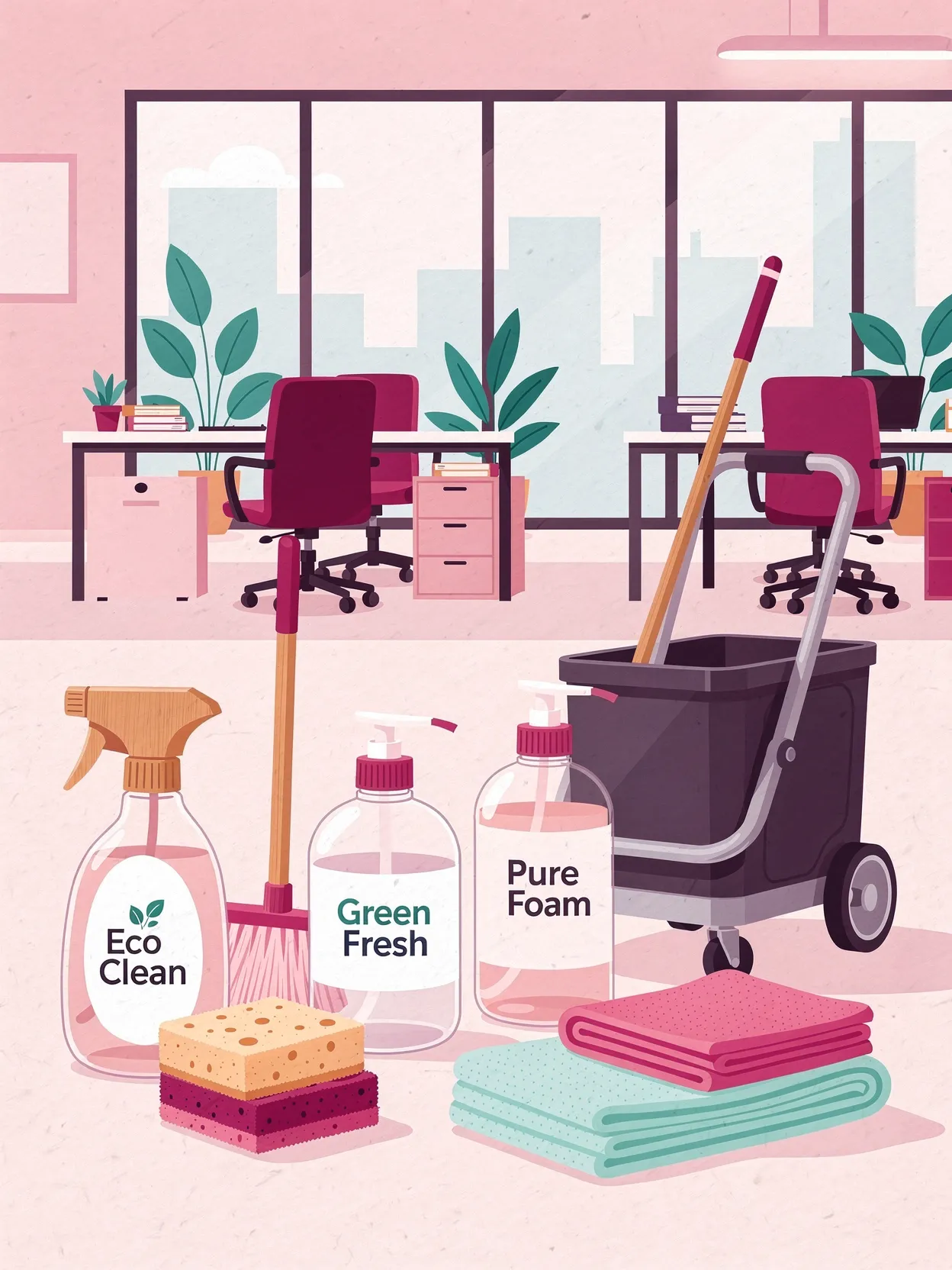
Sustainability should not be treated as separate from standards. In modern commercial environments, environmental responsibility is increasingly part of what good standards look like. The challenge is to balance sustainability with hygiene, safety, and practical performance.
Sustainability as part of professional standards
In business settings, sustainability within standards means using methods that reduce unnecessary waste and environmental impact without weakening hygiene outcomes or increasing risk.
This can include:
-
Careful product selection and controlled dilution
-
Efficient use of water and consumables
-
Reducing avoidable rework through better methods
-
Choosing processes that protect surfaces and extend material life
-
Avoiding excessive or indiscriminate chemical use
The important point is this. Sustainability is strongest when it is built into process design, not added as a slogan.
Balancing hygiene and environmental responsibility
Some organisations make the mistake of treating sustainability and hygiene as competing priorities. In reality, professional standards aim to balance both.
That balance depends on:
-
Using the right level of intervention for the actual risk
-
Matching products and methods to the environment
-
Preventing over-application and residue
-
Maintaining good cross-contamination controls
-
Designing workflows that are effective without being wasteful
In this way, sustainability becomes a discipline of precision, not reduction for its own sake.
Avoiding greenwashing language
Commercial audiences are increasingly alert to vague environmental claims. Terms like “green” or “eco” mean little unless supported by operational logic.
A more credible approach is to focus on evidence such as:
-
Reduced waste through better systems
-
Product control rather than excess
-
Process-led efficiency
-
Responsible handling of materials and chemicals
-
Long-term care of the built environment
Sustainability within commercial cleaning standards should be practical, measurable, and compatible with duty of care.
Why this matters to businesses
For businesses, sustainable cleaning standards can support:
-
Better alignment with internal ESG or environmental goals
-
Reduced waste-related cost over time
-
Greater credibility with staff and stakeholders
-
Better long-term care for property and materials
This is not about image alone. It is about showing that standards can be both responsible and operationally sound.
Long-Term Thinking. Why Businesses Must Re-Evaluate Standards

Commercial cleaning standards should never be treated as fixed forever. Buildings change. usage changes. headcount changes. operating patterns change. regulation and expectations evolve. A standard that worked well two years ago may now be incomplete.
Why standards evolve over time
Standards usually need review because the environment itself changes.
Common triggers include:
-
Business growth
-
More staff or visitors using the space
-
New layouts or refurbished areas
-
Hybrid working patterns that change building usage
-
Different compliance pressures
-
Increased scrutiny from clients, staff, or management
Commercial cleaning standards remain effective only when they continue to reflect real conditions.
Growth changes what “good enough” looks like
As an organisation grows, small inconsistencies become more visible and more costly. A process that worked informally at a smaller scale may fail when applied across a larger office, a busier building, or multiple sites.
Growth often creates new demands around:
-
Consistency between locations
-
More formal reporting
-
More frequent reviews
-
Greater emphasis on shared space performance
-
Stronger documentation and audit trails
That is why standards should mature alongside the business.
Regulation, usage, and risk are not static
Even where no major legal shift occurs, expectations about hygiene, workplace care, and documented oversight continue to develop. Businesses that do not revisit their standards risk operating with outdated assumptions.
Periodic review helps answer questions such as:
-
Are current routines still appropriate for actual usage?
-
Are high-risk zones being prioritised correctly?
-
Is documentation strong enough for current oversight needs?
-
Are recurring issues pointing to a system problem rather than a people problem?
-
Are sustainability expectations now part of the standard?
These reviews are not signs that previous standards failed. They are signs of operational maturity.
Periodic review protects continuity
Reviewing standards regularly helps businesses stay ahead of problems rather than reacting once complaints, inspection issues, or operational strain appear.
A long-term approach supports:
-
Better resilience
-
Fewer avoidable disputes
-
Stronger facilities oversight
-
Greater confidence across stakeholders
-
A cleaner alignment between expectations and reality
Commercial cleaning standards should be reviewed because business environments are living systems, not static spaces.
Conclusion. What Businesses Should Demand as a Minimum

Commercial cleaning standards should be treated as a business control, not a background task. They shape hygiene, protect people, support compliance, reduce risk, and influence how a workplace is experienced every day.
At a minimum, businesses should demand:
-
Clear, written standards rather than vague assumptions
-
Defined routines and frequencies based on actual building use
-
Strong attention to hygiene in shared and high-risk zones
-
Documentation that supports oversight and accountability
-
Audits and corrective action, not visual impression alone
-
Communication that defines outcomes clearly
-
Sustainability practices grounded in operational reality
-
Periodic review as environments, risks, and expectations evolve
The core principle is simple. A commercial environment should not merely appear clean. It should meet a consistent, evidence-led standard that can be explained, monitored, and maintained over time.
That is what businesses should demand. Not polish without proof, and not promises without systems. The real benchmark is a cleaning standard that protects people, property, reputation, and operational confidence.