End of tenancy cleaning now carries more weight in the UK rental process than many tenants, landlords, and agents realise. Standards have tightened, inspections are often more detailed, and deposit disputes frequently turn on whether a property was left in the expected condition at handover. In many cases, cleaning becomes one of the clearest and most visible factors during check-out.
This matters because the end of a tenancy is not judged by effort. It is judged by outcome. A tenant may feel they cleaned thoroughly, yet an inventory clerk or landlord may still record issues if the property does not meet the expected baseline. Equally, landlords and agents are expected to distinguish fairly between dirt, damage, and normal wear and tear.
This guide is written for tenants preparing to move out, landlords managing rental handovers, and agents overseeing inspections. Its purpose is to explain what end of tenancy cleaning actually means, how standards are assessed, and why clarity around expectations helps reduce stress, disputes, and confusion for everyone involved.
What End of Tenancy Cleaning Actually Means?
More than ordinary cleaning
A common misunderstanding is that end of tenancy cleaning simply means “cleaning the property well before leaving.” In practice, it usually refers to a more detailed, inspection-aware standard than routine household cleaning.
Regular cleaning is often about keeping a home presentable while living in it. End of tenancy cleaning is different because it is judged at a transition point. The property is being assessed, often room by room, against a recorded baseline and an expected professional standard of cleanliness.
That is why end of tenancy cleaning tends to focus on:
-
Presentation and hygiene
-
Consistency across all rooms
-
Areas that are commonly overlooked in day-to-day routines
-
Build-up, residue, grease, odours, and internal surfaces
-
Whether the property appears ready for the next occupant or inspection
The difference between “clean enough” and inspection-ready
Many disputes begin with a difference in perception. A tenant may think the property “looks fine.” An inspector may note that it is not inspection-ready.
Inspection-ready condition usually means the property has been cleaned to a standard that stands up to close review, not just a quick glance. It is less about surface improvement and more about whether the overall condition aligns with what is expected at check-out.
This includes questions such as:
-
Are visible surfaces clean and free from residue?
-
Do kitchens and bathrooms show build-up or lingering grime?
-
Are touchpoints, internal glass, skirting boards, and edges consistent with the rest of the property?
-
Is the property comparable, allowing for fair wear and tear, to the check-in condition?
Baseline condition explained
The most important point is this. End of tenancy cleaning is usually assessed against baseline condition, not against personal opinion.
Baseline condition refers to the state the property was in at the start of the tenancy, as recorded in the inventory and check-in documentation. If the property was professionally presented at move-in, expectations at move-out may also be high. If the property had some existing limitations, those should still be reflected fairly, provided they were documented from the outset.
This is why end of tenancy cleaning is often better understood as a comparison exercise:
-
Check-in vs check-out
-
Recorded condition vs final condition
-
Cleaning issues vs fair wear and tear
How Deposits Are Assessed at the End of a Tenancy?

A high-level view of how deposit assessment works
At the end of a tenancy, the deposit is not supposed to be decided by mood, assumption, or memory. It is generally assessed by reference to the tenancy agreement, the inventory record, and the property’s condition at check-out.
At a high level, the process usually involves:
-
Reviewing the original check-in condition
-
Inspecting the property at the end of the tenancy
-
Comparing what has changed
-
Deciding whether those changes fall under fair wear and tear, cleaning issues, damage, or missing items
The principle is meant to be evidence-based. That is why documentation matters so much.
What can typically be deducted
This article is not legal advice, but in general terms, deductions are usually considered where there is a clear, supportable shortfall between expected and actual handover condition.
Cleaning-related deductions often arise where there is evidence of:
-
Unremoved grease, grime, or residue
-
Heavy bathroom build-up
-
Marked internal glass or neglected internal surfaces
-
Appliances left dirty internally
-
Odours or signs of poor hygiene
-
A general standard below what the check-in condition would justify
Cleaning vs wear and tear
This is one of the most important distinctions in the entire process.
Wear and tear refers to the natural decline that occurs through normal everyday use over time.
Cleaning issues refer to dirt, residue, neglect, or hygiene-related shortfalls that could reasonably have been addressed before handover.
For example:
-
A worn carpet from normal use may be wear and tear
-
A carpet left heavily soiled may raise a cleaning issue
-
Slight fading of paint may be wear and tear
-
Sticky marks, grease, or heavy residue on surfaces may be a cleaning issue
The challenge is that these categories sometimes overlap visually. That is why the evidence and context matter.
Why cleaning deductions are so common
Cleaning deductions are common because cleanliness is immediately noticeable and comparatively easy to document. It is easier to photograph grease in an oven, soap residue in a bathroom, or dust build-up on skirting than it is to debate subtle property deterioration.
Cleaning also affects the first impression of the entire property. Even where no major damage exists, an under-cleaned property can create the impression that standards were not met overall.
That is why end of tenancy cleaning plays such a central role in deposit outcomes. Not because it is the only issue, but because it is one of the clearest issues to record and compare.
The Role of Inventory Reports in End of Tenancy Cleaning
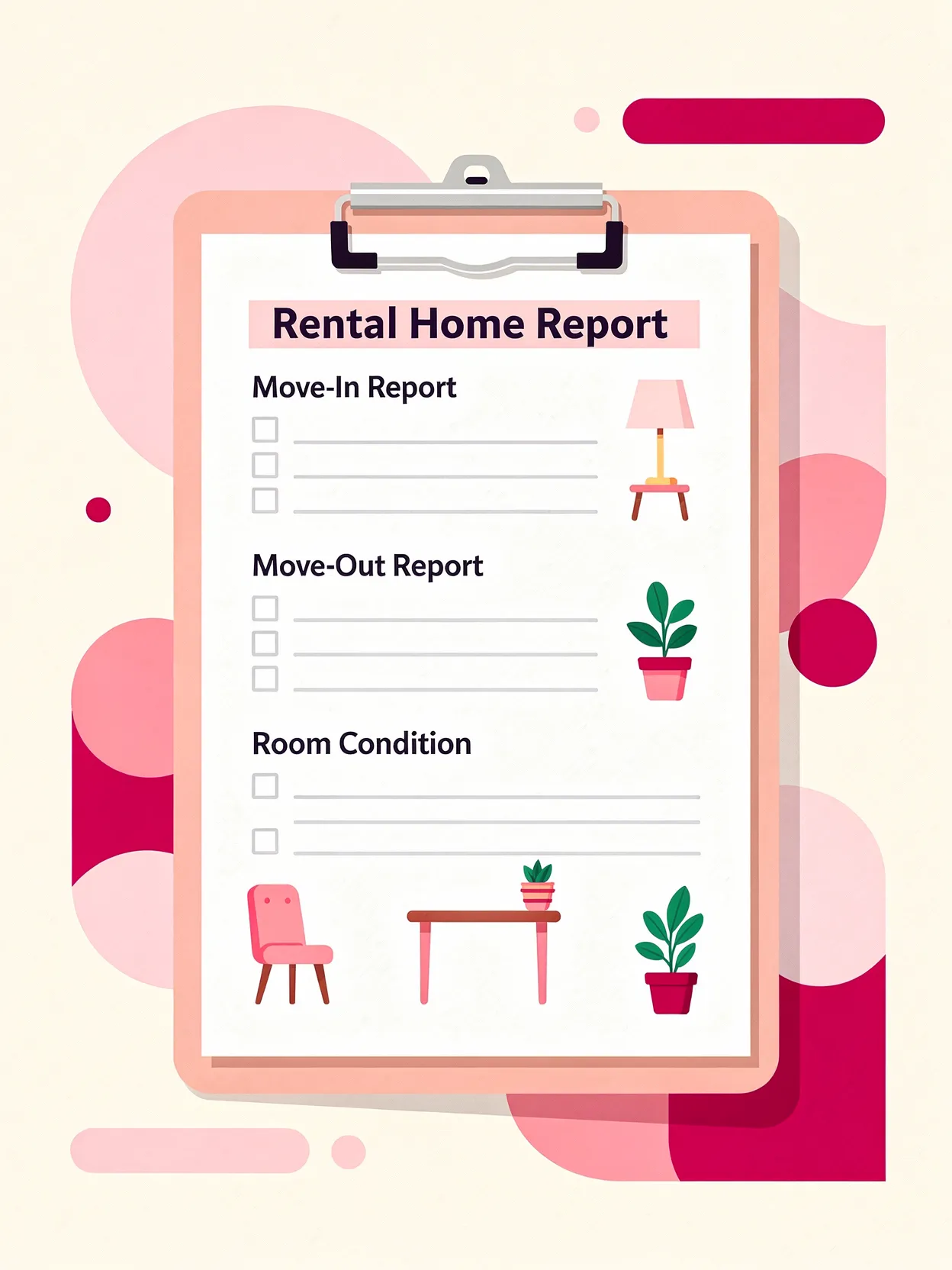
Why the inventory matters so much
Inventory reports are central to end of tenancy assessment because they create the reference point against which the final condition is compared. Without that baseline, disagreements become more subjective.
A typical inventory may include:
-
Notes on room-by-room condition
-
Descriptions of fixtures, fittings, and surfaces
-
Photographs showing condition at check-in
-
References to cleanliness, marks, damage, or pre-existing limitations
-
Meter readings, keys, and item counts in furnished properties
How photos and notes are used
Photos alone do not always tell the full story. Notes help explain what a photograph might not capture clearly. Together, written observations and images provide stronger evidence than either one alone.
During end of tenancy checks, inspectors often use this combined evidence to assess:
-
Whether surfaces appear cleaner, worse, or broadly similar
-
Whether build-up or residue has developed during the tenancy
-
Whether problem areas were already present at move-in
-
Whether expectations at move-out are supported by the original record
Why mismatches matter
A mismatch between the check-in record and the check-out condition is where most issues arise. If a room was recorded as clean, bright, and free of residue at the start, but is returned with visible grime or odour, that mismatch may be treated as a cleaning shortfall.
Likewise, if marks or limitations existed at the start and were recorded properly, those same issues should not be treated as new cleaning failures at the end.
The inventory is therefore not just paperwork. It is the evidence framework that turns end of tenancy cleaning from opinion into comparison.
How cleaning issues are documented
Cleaning issues are often recorded through:
-
Room-by-room notes
-
Close-up photographs of missed or neglected areas
-
General comments on overall cleanliness standard
-
References to odours, residue, grease, or poor presentation
This is why broad statements like “the place was cleaned” usually carry less weight than detailed evidence showing which areas were and were not brought to the expected condition.
Responsibilities Explained. Tenant, Landlord, and Agent

End of tenancy cleaning often becomes stressful because people assume responsibilities that are not clearly understood. In reality, each party has a different role in the handover process.
Typical tenant responsibilities
Tenants are generally expected to return the property in an appropriately clean condition, subject to the tenancy agreement and the condition recorded at check-in. In practical terms, this often means leaving the property in a state that reflects reasonable care and avoids avoidable cleaning issues.
This usually includes attention to:
-
Visible cleanliness across all rooms
-
Kitchens, bathrooms, and appliances
-
Rubbish removal and emptying personal belongings
-
Avoidable odours or hygiene-related neglect
-
General presentation at handover
The key point is that tenants are usually judged on the final outcome, not on how much time they spent cleaning.
Landlord responsibilities
Landlords also have responsibilities in the process. A landlord should be able to rely on fair records, reasonable expectations, and distinctions between genuine cleaning issues and ordinary wear and tear.
In a balanced process, the landlord’s role includes:
-
Ensuring the check-in condition was properly recorded
-
Applying standards consistently
-
Distinguishing cleaning from ageing and use
-
Avoiding assumptions where evidence is unclear
A fair handover benefits landlords too, because it reduces unnecessary disputes and creates a clearer basis for re-letting.
The agent’s role in inspections
Letting agents and property managers often act as the practical link between both sides. They may coordinate check-outs, review inventories, note condition issues, and communicate what has or has not met the expected standard.
Their role often includes:
-
Organising or conducting inspections
-
Comparing check-in and check-out evidence
-
Recording issues neutrally
-
Relaying findings between tenant and landlord
-
Supporting a more orderly handover process
What tenancy agreements usually do
Tenancy agreements often set the expectation that the property should be returned in a clean condition. The wording and detail vary, but the purpose is usually to define the standard expected at the end of occupation.
The important thing is this. The tenancy agreement does not usually work alone. It is interpreted alongside the inventory and the actual condition of the property. That is why end of tenancy cleaning is rarely about one clause in isolation. It is about how agreement, evidence, and inspection fit together.
What Inspectors Look for During End of Tenancy Checks?

Cleanliness versus condition
One of the most useful ways to understand an inspection is to separate cleanliness from condition.
-
Condition concerns wear, damage, ageing, and the physical state of fixtures or surfaces
-
Cleanliness concerns dirt, residue, hygiene, grease, presentation, and whether the space has been left appropriately clean
Inspectors are usually looking at both, but they do not mean the same thing.
Consistency across rooms
A property rarely fails expectations because of one visible issue alone. More often, concerns arise when the cleaning standard is inconsistent. One room may appear fine while another shows obvious neglect. A kitchen may have been addressed superficially while touchpoints and internal surfaces elsewhere were missed.
Inspectors often notice:
-
Whether the standard is consistent from room to room
-
Whether the same level of attention appears throughout
-
Whether overlooked areas suggest rushed preparation
-
Whether the property feels fully handed over or only partly prepared
Odours, grease, residue, and overlooked details
There are some categories that repeatedly draw attention during check-outs because they signal incomplete cleaning quickly.
These often include:
-
Odours in kitchens, bathrooms, bins, and soft furnishings
-
Grease build-up around cooking areas
-
Soap residue, limescale, and staining in bathrooms
-
Internal appliance condition
-
Internal glass and mirrored surfaces
-
Skirting boards, door edges, handles, switches, and other touchpoints
These are not always the largest areas in a property, but they are often the most revealing.
High-risk overlooked areas
Certain areas are regularly underestimated because they are easy to ignore during day-to-day living but visible during inspection.
Common examples include:
-
Tops of doors and frames
-
Behind or around appliances
-
Extractor surfaces and splashback zones
-
Cupboard interiors
-
Window ledges and internal glass
-
Corners, edges, and skirting lines
This is one reason why an end of tenancy inspection often feels stricter than everyday expectations. It is designed to look beyond the obvious.
End of Tenancy Cleaning Standards. What “Inspection-Ready” Looks Like
A property can look tidy and still fall below inspection-ready condition. Tidiness and cleanliness are related, but they are not the same.
“Looks fine” often fails because inspection-ready standards are based on completeness, not impression alone. A room may appear presentable at first glance but still show:
-
Grease or residue in key areas
-
Dust or build-up on edges and touchpoints
-
Inconsistent results between visible and hidden surfaces
-
Lingering odours
-
Missed internal areas such as cupboards, appliances, or glass
Acceptable versus unacceptable outcomes
End of tenancy cleaning is easier to understand when framed as outcomes rather than effort.
Acceptable outcomes tend to show:
-
Consistent cleanliness across the property
-
Surfaces free from obvious dirt, residue, and neglected build-up
-
Kitchens and bathrooms brought to a clear inspection standard
-
A handover condition that broadly aligns with the original baseline, allowing for normal wear and tear
Unacceptable outcomes often involve:
-
Selective or spot cleaning only
-
Obvious contrast between cleaned and neglected areas
-
Heavy grease, limescale, or odour remaining
-
Appliances or internal surfaces left unaddressed
-
A standard that suggests the property is not yet ready for handover
Variation by property size and condition
Inspection-ready does not mean identical in every property. Standards are influenced by the size of the property, the number of occupants, the length of the tenancy, the condition at move-in, and whether the home was furnished or unfurnished.
Even so, the principle remains the same. The final handover should reflect a fair, evidence-based cleaning standard that matches the property’s baseline and intended readiness for the next stage of occupancy.
Why partial cleaning rarely passes
Partial cleaning often creates the biggest contrast. It can make missed areas appear even more obvious.
For example:
-
Clean worktops make greasy extractor areas stand out more
-
Vacuumed floors can make dusty skirting boards more noticeable
-
A fresh-smelling hallway can make one neglected bathroom more apparent
That is why end of tenancy cleaning is usually judged as a whole-property standard rather than a collection of isolated tasks.
Room-by-Room Expectations at End of Tenancy
End of tenancy cleaning is often judged as a whole-property standard, but inspections usually happen room by room. That means one neglected area can affect the impression of the entire handover. The purpose of this section is not to describe cleaning methods. It is to explain what people typically expect to see when a property is presented in inspection-ready condition.
Kitchen expectations
The kitchen is usually one of the most closely inspected parts of any rental property. This is because it combines visible surfaces, food residue, grease, odours, and appliances, all of which are easy to notice when standards fall short.
Inspectors commonly look for:
-
Worktops and splashback areas free from grease and residue
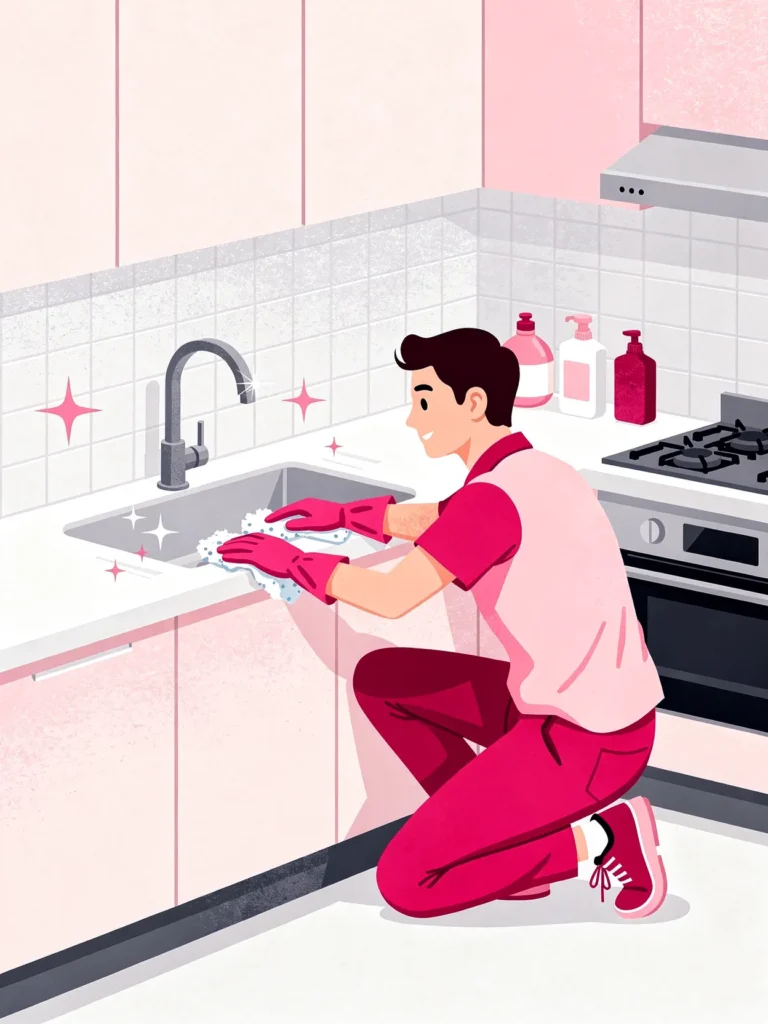
-
Sink, taps, and draining areas presented cleanly
-
Cupboard fronts and handles consistent with the overall standard
-
Cupboard interiors and shelving free from crumbs, dust, and debris
-
Hob, extractor, and oven areas without obvious grease build-up
-
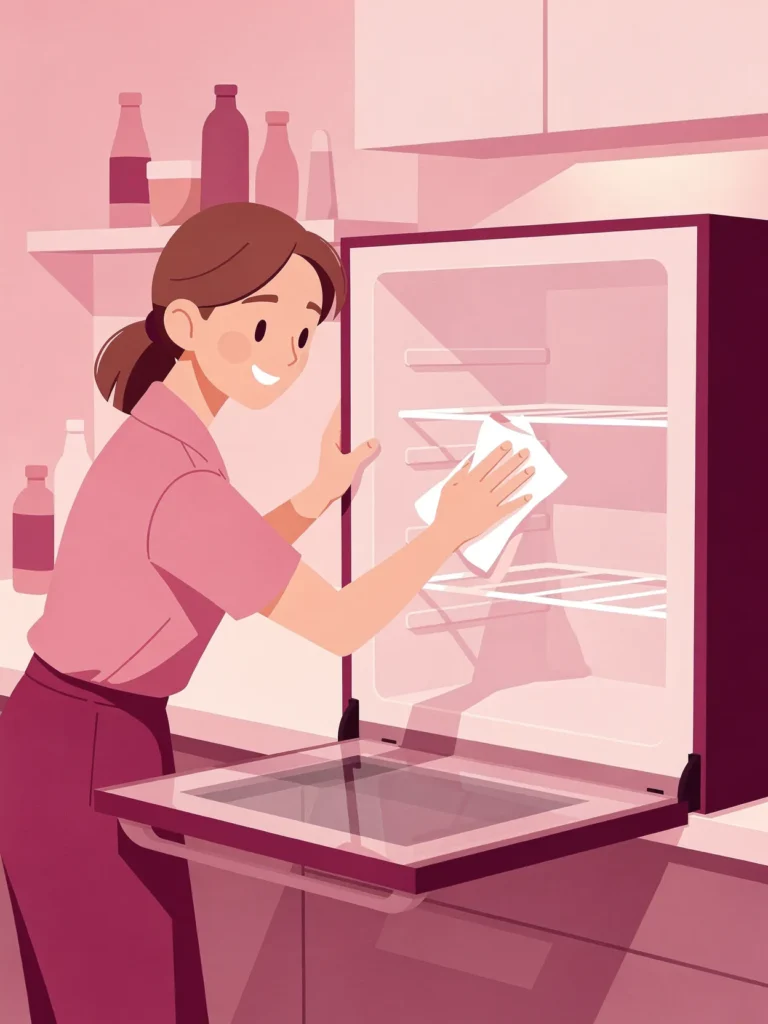
Fridge and freezer interiors left empty, clean, and without odour where relevant
The kitchen often reveals whether the property has been prepared carefully or only improved superficially.
Bathroom expectations
Bathrooms are another high-scrutiny area because build-up forms gradually and becomes obvious at check-out. Even where a bathroom appears generally tidy, residue around fixtures can quickly affect the overall impression.
Inspectors often focus on:
-
Toilet, sink, bath, and shower areas presented in hygienic condition
-
Limescale, soap residue, and water marks reduced to an acceptable standard
-
Taps, fittings, mirrors, and glass areas consistent with the rest of the room
-
Tile surfaces and visible joints free from obvious grime build-up
-
Floors, corners, and edges not showing neglect
-
Ventilation covers and surrounding areas free from visible dust accumulation where accessible
Bathrooms are rarely judged by appearance alone. Residue, odour, and neglected detail often matter just as much.
Living areas and bedrooms
These rooms can appear easier to prepare, but they are often where inspection inconsistency becomes visible. A room may look empty and presentable, yet still show dust, marks, odour, or overlooked detail.
Expectations usually include:
-
Surfaces left free from dust and obvious residue
-
Wardrobes, shelving, and internal storage areas checked where applicable
-
Window ledges, frames, and internal glass presented consistently
-
Corners, edges, and visible trim not left dusty
-
No lingering odours from occupancy, food, smoke, or pets
-
Presentation aligned with a clear handover standard
In bedrooms and living spaces, what matters is often consistency rather than intensity. A clean centre of the room will not compensate for neglected edges and touchpoints.
Floors and carpets
Floors shape first impressions because they affect the feel of the whole property. They also show traffic patterns, stains, and neglect quickly.
Typical expectations include:
-
Hard floors free from obvious dirt, sticky residue, and dust accumulation
-
Carpeted areas presented in a visibly clean and fresh condition
-
Corners, edges, and skirting lines not holding visible debris
-
Transitions between rooms appearing consistent
-
No avoidable marks, residue, or overlooked patches that suggest rushed preparation
Where carpets are concerned, inspectors may distinguish between staining, cleaning shortfalls, and fair wear depending on the tenancy history and the original inventory condition.
Appliances and internal glass
Internal surfaces are commonly missed because they do not always affect day-to-day living in the same way. At handover, however, they can carry weight because they suggest whether the property was prepared carefully.
Common points of attention include:
-
Oven interiors and trays
-
Microwave interiors
-
Fridge seals, shelves, and drawers
-
Internal window glass
-
Mirrors and glass panels
-
Washing machine detergent drawers and visible interiors where relevant
These are the types of areas where a property can appear “mostly clean” but still fall below inspection-ready expectations.
Skirting boards, doors, and touchpoints
These details are small, but they often reveal the true standard of preparation. They are especially important because they are spread throughout the property.
Inspectors often notice:
-
Skirting boards with visible dust or marks
-
Door edges, handles, and frames
-
Light switches and wall touchpoints
-
Banisters and hand-contact surfaces
-
Corners and trim lines that contrast with otherwise cleaned spaces
A handover standard is usually judged not only by major surfaces, but by whether detail areas support the same overall result.
Timing and Planning Your End of Tenancy Cleaning
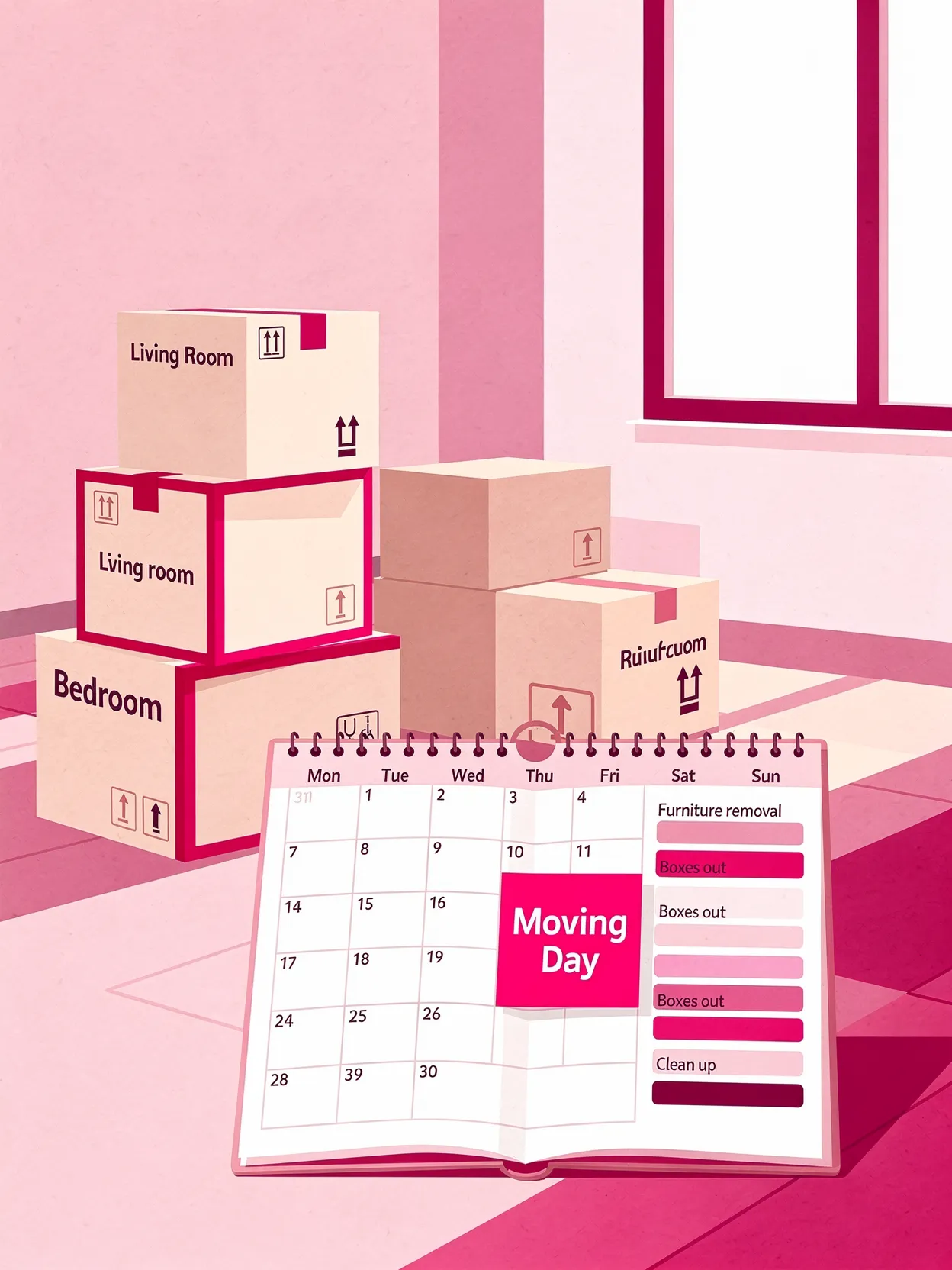
End of tenancy cleaning often goes wrong not because people do not care, but because they leave preparation too late. Timing affects quality more than many people expect.
When preparation should begin
Preparation is usually easier when it begins before the final moving day. Leaving everything to the last few hours often creates rushed decision-making, overlooked areas, and incomplete finishing.
Early preparation helps because it allows time to:
-
Review the inventory and tenancy expectations
-
Identify high-risk problem areas
-
Separate cleaning issues from maintenance issues
-
Organise the property logically before final checks
Even a short planning window can reduce stress significantly if used well.
Why cleaning after furniture removal matters
End of tenancy cleaning is usually easier to judge and complete once furniture and personal belongings have been removed. This is because hidden areas become visible and the property can be assessed as a whole.
Cleaning before full removal often creates problems such as:
-
Missed dust and debris behind furniture
-
Uneven floor presentation
-
Limited access to edges, skirting, and corners
-
A false sense that a room is finished when it is not yet fully exposed
The cleaner the visual handover, the easier it becomes to meet inspection-ready expectations.
The impact of moving schedules
Moving schedules are often unpredictable. Delays with keys, transport, packing, or disposal can compress the final handover window and leave little time for proper checking.
This matters because end of tenancy cleaning is often not only about doing tasks. It is also about reviewing whether the entire property feels complete and consistent.
Where timing collapses, common results include:
-
Spot cleaning instead of full preparation
-
Missed internals and detail areas
-
Lingering rubbish or odours
-
A property that feels half-finished at inspection
What happens if deadlines are missed
Missed timelines can have practical consequences. A landlord, agent, or inventory clerk may inspect the property in the condition it is presented, not in the condition the tenant hoped to reach later.
That is why timing matters so much. Once the handover point arrives, the process usually turns from preparation into assessment.
DIY vs Professional End of Tenancy Cleaning. What Usually Happens?
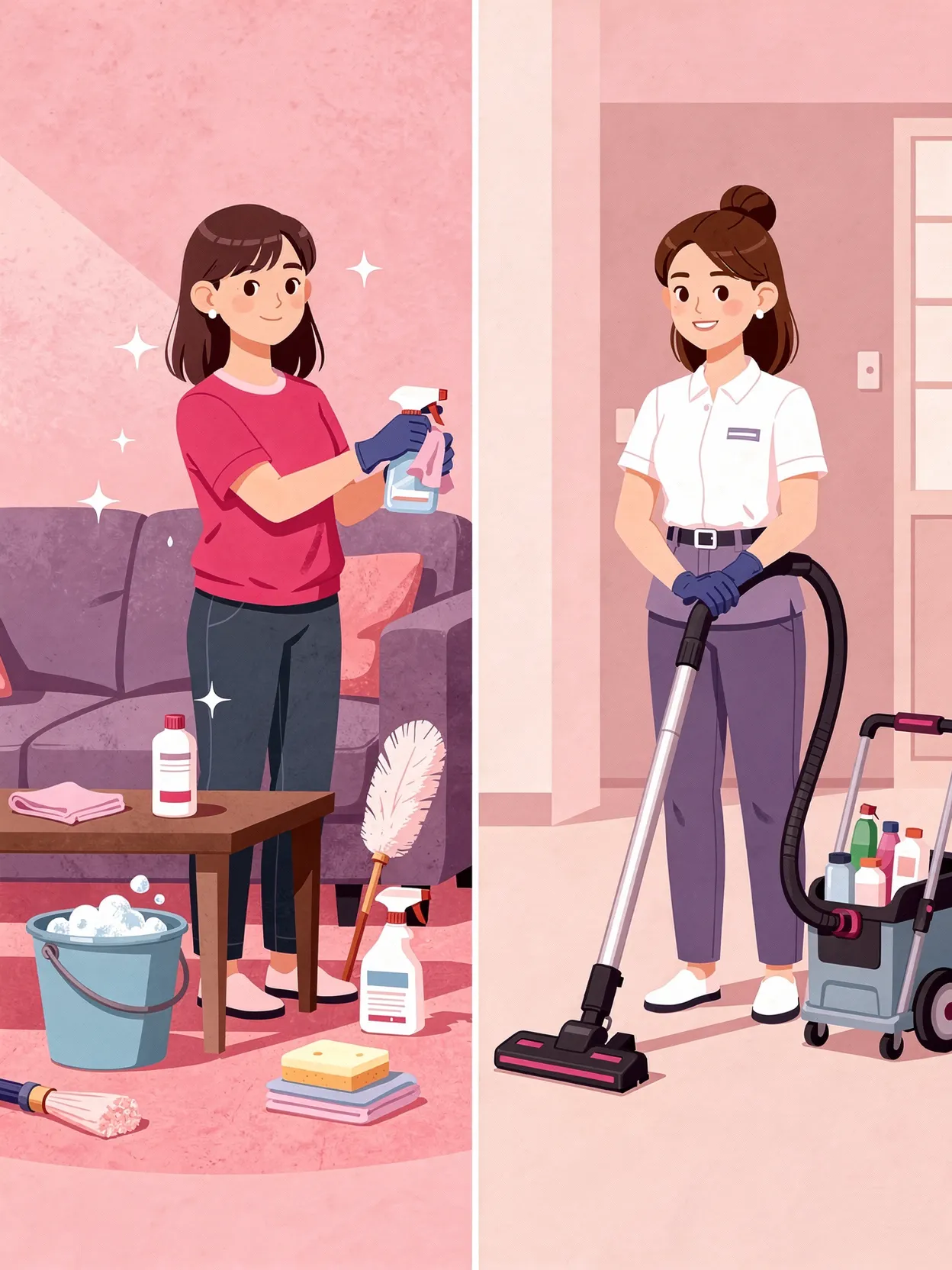
This comparison is best understood through outcomes rather than assumptions. DIY cleaning is possible in some situations, but its success depends on time, planning, physical effort, and understanding of inspection expectations.
Why DIY often falls short
DIY end of tenancy cleaning often fails not because people make no effort, but because they underestimate how detailed handover standards can be.
Common issues include:
-
Focusing on visible surfaces only
-
Underestimating ovens, bathrooms, and internal areas
-
Missing odours, residue, or grease that remain noticeable
-
Running out of time before the entire property is checked consistently
-
Treating the process as ordinary cleaning rather than inspection preparation
Where DIY is realistic
DIY can be realistic where:
-
The tenancy period was short
-
The property remained in strong condition throughout occupancy
-
The original baseline was modest and clearly documented
-
The tenant has sufficient time and a clear understanding of expectations
-
The property is fully emptied before final checking
In those conditions, a careful and systematic approach may produce acceptable results.
The most common underestimations
End of tenancy cleaning is frequently underestimated in three ways.
First, detail.
People often overlook how much attention internal surfaces, touchpoints, and build-up zones receive during inspection.
Second, consistency.
One or two good rooms do not offset one underprepared kitchen or bathroom.
Third, timing.
People often assume the final clean will take less time than it actually does, especially after packing and moving fatigue sets in.
Stress and delay caused by re-cleans
When an inspection identifies cleaning shortfalls, the process may not end there. Re-cleans can create extra pressure, especially if keys have already been returned, the next occupant is due soon, or the landlord wants the issue addressed quickly.
This is why many people come to see end of tenancy cleaning not simply as a chore, but as a risk-management task linked to time, evidence, and outcome.
Common End of Tenancy Cleaning Mistakes That Cost Deposits

Many deposit issues come from preventable mistakes rather than major property problems.
Spot cleaning instead of full-property consistency
One of the most common mistakes is improving only the obvious areas. This can make neglected sections look even worse by contrast.
Examples include:
-
Wiping main counters but leaving cupboard interiors untouched
-
Cleaning the centre of a room but missing edges and trim
-
Freshening visible surfaces while internal appliances remain dirty
Missing the areas inspectors notice most
People often focus on what feels important to them rather than what is likely to be recorded during inspection. High-risk missed areas often include:
-
Extractors and cooking zones
-
Internal glass
-
Skirting boards and door frames
-
Cupboards and drawers
-
Bathroom residue around fittings and edges
Ignoring odours
Odours are easily underestimated because occupants become used to them over time. At check-out, however, they can influence the impression of the entire property.
Odours may come from:
-
Bins and food waste
-
Fridges and appliances
-
Bathrooms
-
Soft furnishings
-
Pets, smoke, or damp-related issues
Underestimating the level of inspection detail
Some tenants prepare for a casual walk-through when the actual process is far more detailed. This mismatch in expectation is one of the biggest reasons people feel surprised by cleaning-related comments.
False assumptions that lead to problems
A few assumptions repeatedly cause avoidable issues:
-
“If it looks tidy, it will pass.”
-
“Small missed areas do not matter.”
-
“The landlord will not check inside.”
-
“Ordinary cleaning is the same as end of tenancy cleaning.”
-
“Wear and tear will cover everything.”
These assumptions often collapse once the check-out is compared against evidence.
Disputes, Re-Cleans, and Deposit Outcomes

Even with preparation, disagreements can happen. Understanding the process helps keep expectations realistic.
What happens after a failed inspection
If a property is judged to fall below the expected standard, the next step usually depends on timing, evidence, and communication between the parties. The issue may be recorded as a cleaning shortfall and then used to justify a further step, such as corrective cleaning or a proposed deduction.
The key point is that the matter is usually not decided by opinion alone. What matters most is:
-
The check-in record
-
The check-out evidence
-
Whether the shortfall is clearly documented
-
Whether the issue relates to cleaning rather than wear and tear
How re-cleans are usually arranged
Re-cleans may occur where there is still time to correct the issue before the next stage of occupancy or property management. In practical terms, this often depends on whether access is available and whether the handover process allows time for remedial action.
A re-clean is usually most helpful when:
-
The issue is clearly identified
-
The property can still be accessed
-
The shortfall is genuinely about cleaning, not damage or maintenance
-
The evidence is specific enough to act on
Challenging deductions
Where a deduction is proposed, the strength of the challenge usually depends on evidence rather than general statements. Broad claims such as “it was cleaned properly” tend to carry less weight than dated photos, checklists, inventory comparisons, and proof of the property’s condition at handover.
Evidence that can matter includes:
-
Check-in inventory documentation
-
Check-out photos and notes
-
Time-stamped images from handover day
-
Records showing the property was emptied and prepared
-
Any correspondence explaining concerns or disputes clearly
Typical dispute timelines
Disputes can take time because they involve review, comparison, and, in some cases, formal resolution processes. This is one reason end of tenancy cleaning is often better approached as prevention rather than correction. Once a disagreement begins, the process becomes slower, more document-led, and less flexible.
Special Property Situations

Not all tenancies are alike. Some situations create extra complexity because the baseline, occupancy pattern, or inspection expectations differ from a standard unfurnished private let.
Furnished properties
Furnished properties often carry a broader inspection scope because more items are included in the inventory. Cleaning expectations may extend beyond rooms and surfaces to the presentation of furniture, internal storage, and item condition.
In these cases, more detail usually means more comparison points.
Shared homes and HMOs
Shared homes can create confusion over responsibility, especially in communal areas. Kitchens, bathrooms, and hallways may show inconsistent use patterns, and different occupants may assume someone else addressed the final preparation.
This often makes consistency harder to achieve unless responsibilities are clarified early.
Student rentals
Student properties are often associated with compressed timelines, multiple occupants, and end-of-term pressure. That can increase the likelihood of rushed handovers, missed areas, and disagreement over shared responsibilities.
The challenge is often not only cleaning. It is coordination.
Pets
Pet-related issues can affect odour, hair, marks, and overall presentation. Whether those issues become cleaning concerns, wear and tear concerns, or something more specific depends on the evidence, the tenancy terms, and the property’s recorded condition at move-in.
Long-term and early termination cases
A long tenancy may involve more fair wear and tear, but that does not remove the need for a proper cleaning standard at handover. An early termination may create its own pressures because preparation happens faster and under less predictable conditions.
In both cases, the core principle stays the same. The property is judged through evidence, condition, and the expected standard at the point of return.
Final Takeaway. How to Avoid Stress at the End of a Tenancy

The end of a tenancy becomes less stressful when people understand one simple truth. Standards matter more than effort. What counts at handover is not how busy the final day felt, but whether the property is presented in a condition that fairly matches expectations, records, and inspection criteria.
For tenants, preparation reduces the risk of avoidable deductions and last-minute panic.
For landlords, clarity supports fairer and more efficient handovers.
For agents, consistent standards make inspections easier to manage and explain.
The strongest protection for everyone is not argument. It is clarity.
That clarity comes from:
-
Understanding the difference between ordinary cleaning and inspection-ready condition
-
Knowing how inventories and evidence shape decisions
-
Recognising the difference between cleaning issues and wear and tear
-
Planning early enough to avoid rushed, incomplete results
End of tenancy cleaning is not only about appearance. It is about readiness, documentation, and a clear standard that all parties can understand. When that standard is approached calmly and properly, the handover process becomes more manageable, more transparent, and far less stressful for everyone involved.