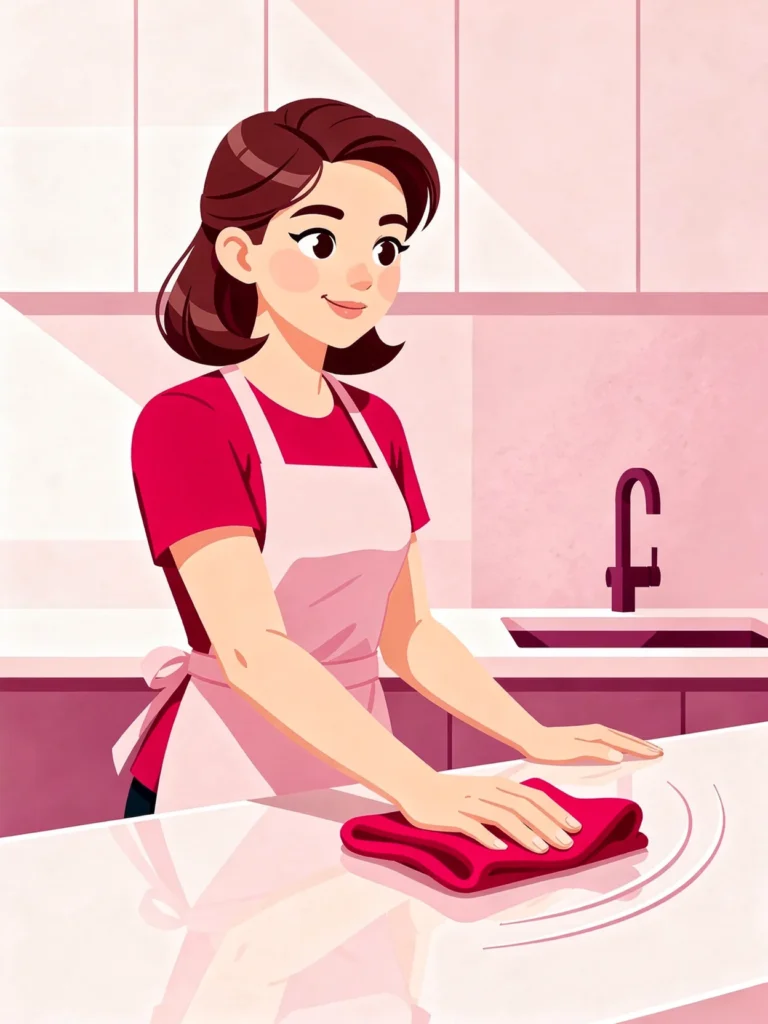
Domestic cleaning sounds simple on the surface. Almost everyone has some idea of what “cleaning the home” means because most people do some form of it themselves. Yet that familiarity is exactly why the subject is often misunderstood.
Many assumptions about home cleaning are shaped by habit, personal standards, short-form videos, or unrealistic before-and-after content. That creates a blurred picture. Some people imagine domestic cleaning is mostly tidying. Others assume it means a fast surface wipe. Some expect hotel-level presentation every time, regardless of the condition of the home, the time available, or the type of cleaning being carried out.
Professional domestic cleaning is more structured than those assumptions suggest. It is not simply “someone helping around the house.” It is a system of routines, priorities, methods, and standards designed to maintain a home environment in a consistent and practical way.
This matters more today because modern life has changed how homes function. Homes are no longer only places of rest. They are often workplaces, family spaces, eating spaces, study spaces, and recovery spaces all at once. That creates more wear, more mess, more shared surfaces, and more pressure on routine upkeep.
This guide is designed for readers who want clarity. It explains what professional domestic cleaning really means, how it works in practice, what realistic expectations look like, and why informed understanding matters before making any judgement about the value or role of home cleaning in modern life.
What Professional Domestic Cleaning Really Means?
It is not the same as tidying
One of the biggest misunderstandings comes from treating tidying and cleaning as if they are the same thing.
Tidying usually means restoring order. It may involve putting items away, folding blankets, clearing visible clutter, or making a room look more organised. Tidying changes appearance quickly, but it does not necessarily address dust, grease, bacteria, build-up, residue, or hygiene risk.
Professional domestic cleaning is different. It focuses on the condition of surfaces, touchpoints, materials, and the home environment itself. It is less about visual neatness alone and more about maintaining a consistent standard of cleanliness through method and routine.
It follows systems rather than mood!
Casual home cleaning often depends on time, energy, and mood. People clean what bothers them most, what is easiest to reach, or what guests are likely to notice. That is normal in everyday life, but it creates inconsistency.
Professional domestic cleaning follows systems. These systems help ensure that cleaning is:
-
repeatable
-
prioritised
-
methodical
-
less dependent on personal habit
-
more consistent over time
A system can include room order, task order, tool use, hygiene controls, and finishing checks. The advantage is not only efficiency. It is predictability.
Consistency matters more than occasional intensity!
A common mistake is assuming that a home is “well cleaned” if a lot of effort was made once. In reality, professional domestic cleaning tends to value repeatable standards more than occasional bursts of intense effort.
That means:
-
maintaining key areas before build-up becomes difficult
-
using routines that support a stable level of cleanliness
-
reducing the cycle of neglect followed by exhaustion
-
preserving surfaces and materials over time
Consistency often produces better results than dramatic one-off cleaning sessions because the home stays within a manageable range of cleanliness instead of swinging between extremes.
“Clean” is not identical in every household!
Another reason domestic cleaning needs explaining is that households differ.
A one-bedroom flat occupied by one adult does not function like a family home with children, pets, frequent cooking, and people coming in and out all day. A retired couple may define priorities differently from busy professionals who work from home. Homes with allergy concerns may focus more on dust and air quality. Homes with young children may focus more on hygiene and floor contact areas.
So when people say they want a home “clean,” that word can mean different things:
-
visually tidy
-
hygienically safe
-
guest-ready
-
regularly maintained
-
deeply reset after build-up
Professional domestic cleaning works best when this difference is understood clearly.
How Professional Home Cleaning Actually Works?
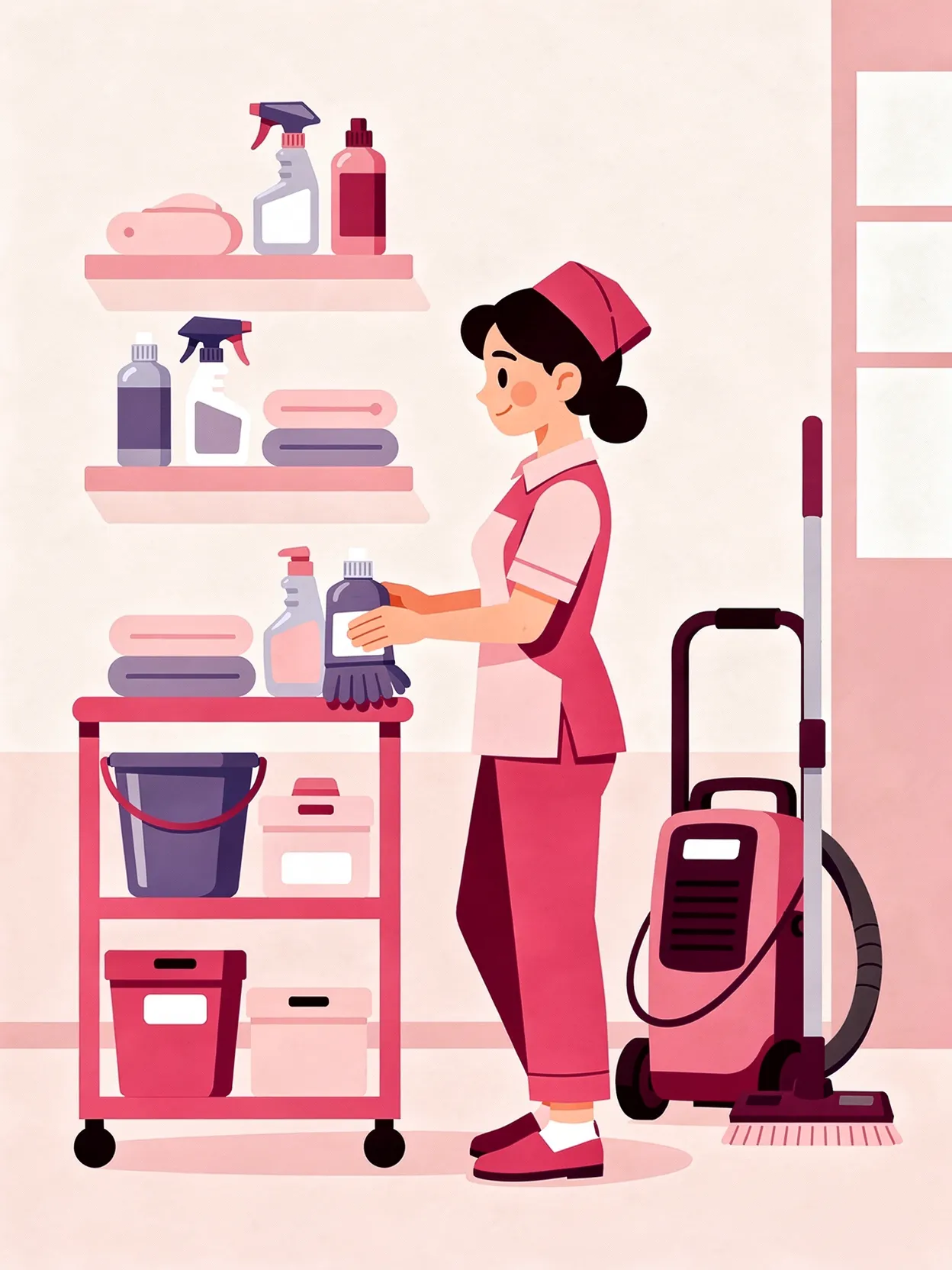
A major reason people feel uncertain about domestic cleaning is that they do not know what the process actually looks like. Once the process is understood, expectations usually become more realistic and more informed.
Before the Clean
Information gathering shapes the outcome
Professional domestic cleaning usually begins with understanding the home rather than immediately starting tasks. This matters because no two homes operate the same way.
Useful early information often includes:
-
how many people live in the home
-
whether there are children or pets
-
which rooms are used most heavily
-
whether anyone works from home
-
which areas tend to become messy fastest
-
whether any surfaces need special care
This stage is not about complication. It is about reducing assumptions.
Household routines affect priorities!
A home should be cleaned according to how it is lived in, not according to generic ideas of what “should” matter most.
For example:
-
in some homes, the kitchen is the highest-use zone
-
in others, bathrooms need the most frequent attention
-
in some households, pet hair control is a central concern
-
in others, maintaining a calm, orderly living area matters most
Professional domestic cleaning becomes more useful when it aligns with actual household habits instead of applying the same emphasis everywhere.
Risks, access, and practical constraints matter!
Home environments involve practical realities that affect cleaning. These can include:
-
delicate surfaces or finishes
-
access limitations
-
pets that need consideration
-
storage conditions
-
privacy concerns
-
rooms that are in constant use
Understanding these factors in advance improves both safety and results. It also helps avoid disappointment caused by unrealistic assumptions.
During the Clean
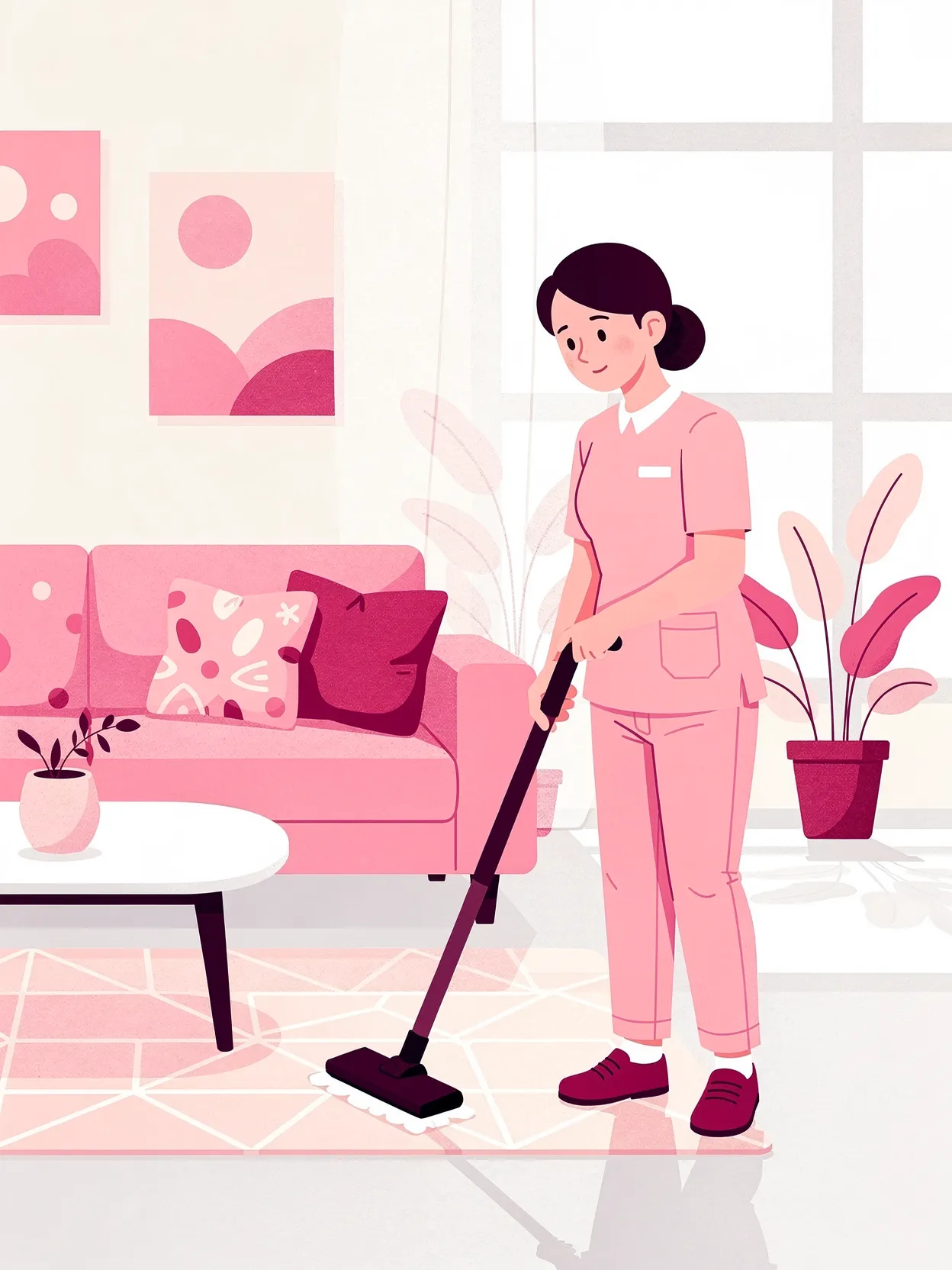
Room prioritisation follows logic!
Professional domestic cleaning is not random. Rooms are usually approached according to use, soil level, hygiene relevance, or time sensitivity.
This logic may be shaped by:
-
which areas affect daily living most
-
which rooms collect the most dirt or moisture
-
which spaces create the strongest visible impact
-
which tasks need dwell time or drying time
The key point is that cleaning is more effective when guided by priorities rather than impulse.
Task sequencing improves efficiency and consistency!
Sequence matters. A structured workflow reduces wasted effort and helps avoid undoing completed work.
Common sequencing logic includes:
-
starting with dry tasks before wet tasks
-
moving from higher surfaces to lower ones
-
addressing dirtier areas without spreading contamination
-
allowing products enough time to work
-
finishing with floors once higher tasks are complete
This creates a smoother and more consistent process. It also reduces the need to repeat tasks because of poor order.
Surface care is not the same as surface appearance!
A surface can look better without being well maintained. This is one of the most important distinctions in professional domestic cleaning.
Visible cleanliness is only one layer. Proper surface care also considers:
-
the type of material
-
the correct method for that material
-
whether residue is being left behind
-
whether build-up is being managed or only hidden
-
whether the cleaning approach protects long-term condition
This is especially important in kitchens, bathrooms, flooring, painted areas, glass, and fitted surfaces where the wrong method can create slow damage over time.
Efficiency is not rushing!
People sometimes imagine professional home cleaning as “doing everything very quickly.” Real efficiency is different.
Efficiency means:
-
using a planned workflow
-
minimising wasted movement
-
using the right method first time
-
maintaining pace without sacrificing standards
-
knowing when detail matters and when overworking a task is unnecessary
Rushing tends to reduce quality. Efficiency supports quality by making the process organised.
After the Clean! Final checks create consistency!
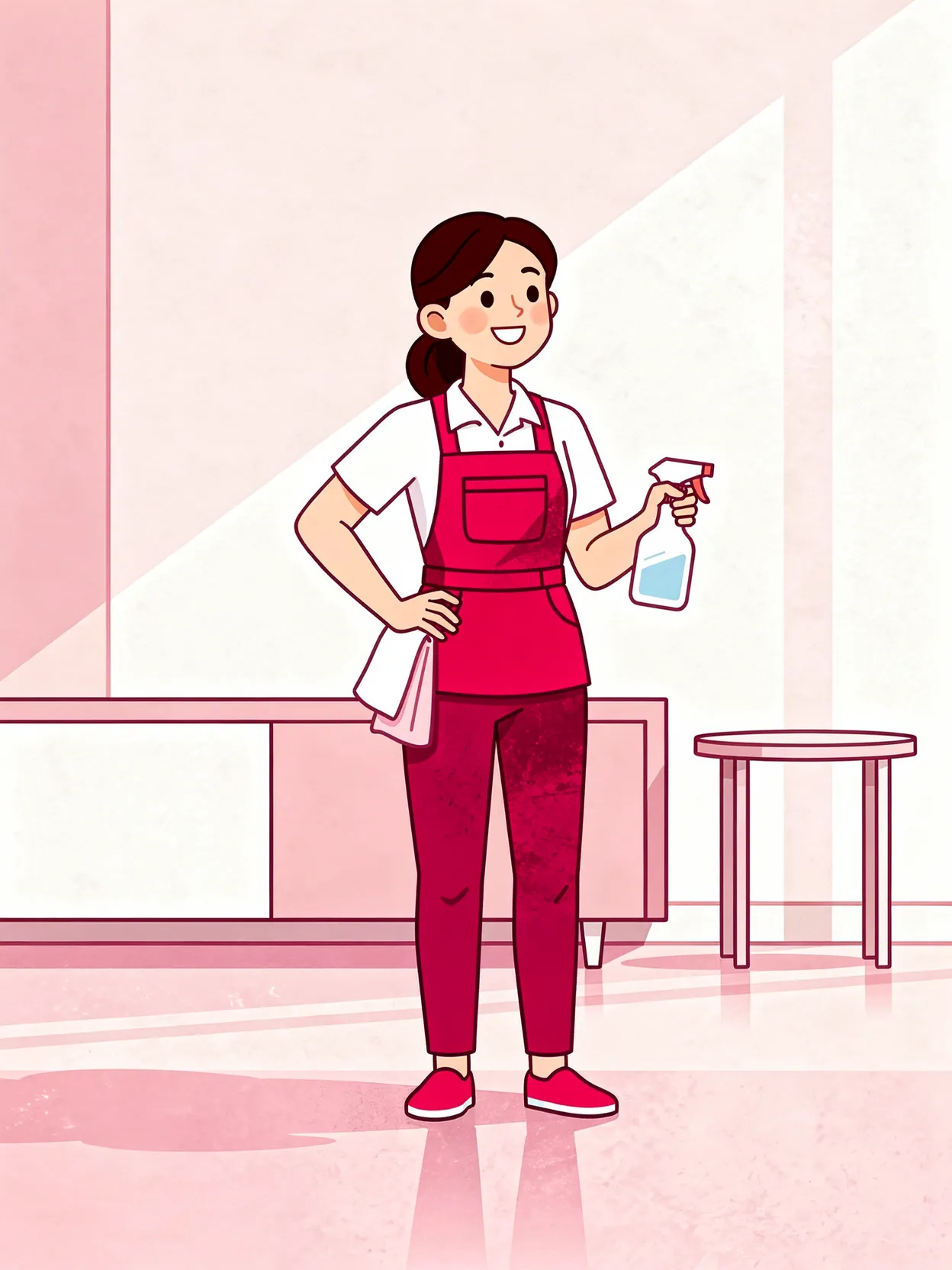
The end of the clean is not only about stopping when the visible work seems done. Professional domestic cleaning usually benefits from a review stage.
Final checks help confirm:
-
whether obvious issues were missed
-
whether key surfaces are finished properly
-
whether touchpoints have been addressed
-
whether the home feels reset rather than partially done
This review stage is often what separates a structured clean from an informal one.
Resetting the home environment matters
A cleaned home should not only look improved in isolated spots. It should feel more functional and balanced as an environment.
That sense of reset may come from:
-
cleaner visual flow between rooms
-
reduced surface residue
-
fresher high-use areas
-
better hygiene in contact points
-
a more stable baseline for daily living
Professional domestic cleaning works best when it supports the livability of the home, not just a short-lived visual impression.
Follow-up and review improve realism!
A useful part of understanding domestic cleaning is recognising that results depend on condition, time, and scope. Review helps adjust expectations over time.
It can clarify:
-
what is working well
-
what may need more frequent attention
-
which areas build up faster than expected
-
whether the current cleaning rhythm matches the household’s actual lifestyle
This makes domestic cleaning more realistic and more effective because the process can respond to how the home really behaves.
What to Expect From Professional Domestic Cleaning?

Realistic results matter more than imagined perfection
A helpful expectation is this. Professional domestic cleaning should improve cleanliness in a visible, practical, and repeatable way, but it does not turn every home into a staged show-home after every routine visit.
Realistic results usually mean:
-
surfaces are cleaned systematically
-
key areas feel fresher and more hygienic
-
visible dust, marks, and residue are reduced
-
high-use spaces are brought back under control
-
the home becomes easier to maintain between cleans
That is different from expecting every item to be perfectly arranged or every long-standing issue to disappear instantly.
Maintenance and deeper cleaning are not the same thing
Another confusion comes from expecting maintenance cleaning and deeper cleaning to deliver identical results.
Conceptually:
-
maintenance cleaning supports ongoing upkeep and prevents deterioration
-
deeper cleaning addresses more accumulated residue, neglected details, or more intensive reset work
Both are valid, but they serve different purposes. Understanding that difference helps set fair expectations.
Property condition affects the outcome
Cleaning results are strongly influenced by starting condition.
For example:
-
a regularly maintained home responds quickly to routine cleaning
-
a home with long-term grease, limescale, dust build-up, or clutter may require more time and layered effort
-
damaged surfaces may still look imperfect even when cleaned correctly
This does not reduce the value of cleaning. It simply means outcome and condition are connected.
Time, effort, and scope are linked
One of the most practical truths about domestic cleaning is that scope shapes outcome.
A home with more rooms, more use, more build-up, or more specialist surfaces naturally demands more from any cleaning process. Expectations are healthier when people understand that time, effort, and scope work together rather than independently.
What Professional Domestic Cleaning Includes and Excludes?
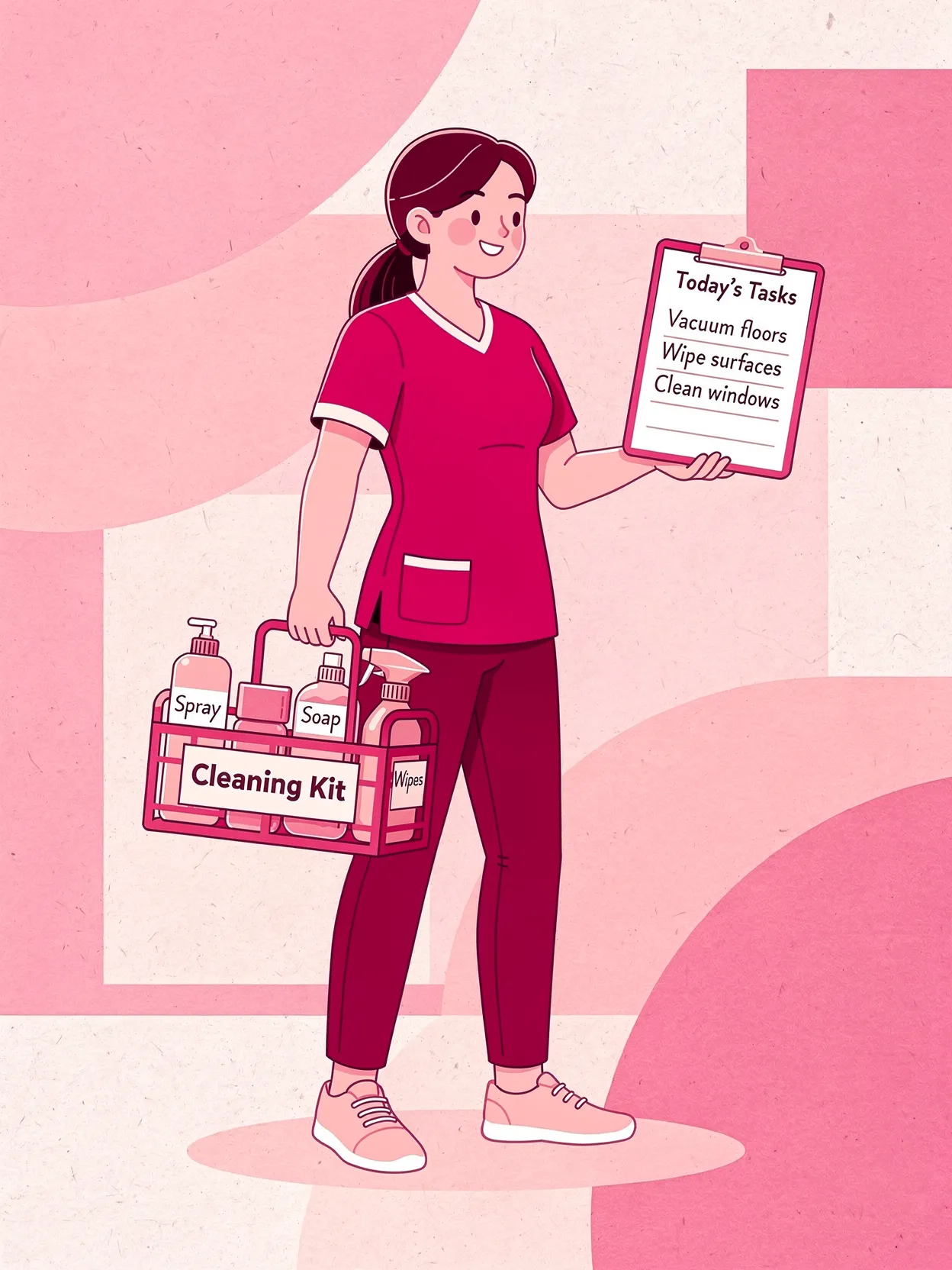
Clear boundaries are essential in any home cleaning discussion because dissatisfaction often starts when assumptions are left unspoken.
Typical responsibilities of trained cleaners
Professional domestic cleaning often includes routine tasks connected to hygiene, surface care, and environmental upkeep.
These commonly relate to:
-
dust removal
-
wiping and sanitising key surfaces
-
bathroom cleaning
-
kitchen surface care
-
vacuuming and floor cleaning
-
attention to touchpoints and high-use zones
The exact combination varies, but the core principle is that the work is structured around maintaining the lived environment of the home.
Why some tasks fall outside standard cleaning
Not every household task is a cleaning task, and not every cleaning task is suitable in every context.
Some tasks may fall outside standard domestic cleaning because they involve:
-
specialist restoration
-
heavy biohazard risk
-
unsafe access
-
repair or maintenance work
-
lifting or handling that creates liability concerns
-
areas blocked by clutter or inaccessible conditions
Understanding exclusions does not weaken trust. It strengthens it by making responsibilities clear.
Safety, access, and liability shape boundaries
Boundaries in domestic cleaning are often driven by safety and responsibility rather than unwillingness.
These may relate to:
-
working at height
-
handling sharp objects
-
moving expensive or fragile items
-
entering restricted or private areas without clarity
-
using methods that may damage sensitive surfaces
Professional domestic cleaning becomes more dependable when expectations are clearly defined in advance.
Clarity prevents dissatisfaction
The more clearly a household understands what professional domestic cleaning is designed to do, the easier it becomes to evaluate results fairly. Clarity removes the gap between assumption and reality, and that improves the overall experience of the process.
Trust, Safety, and Peace of Mind in Domestic Cleaning!
Domestic cleaning takes place in one of the most personal environments a person has. A home is not only a physical space. It contains routines, private belongings, sentimental items, documents, habits, and boundaries. That is why trust matters so much in domestic cleaning. The quality of the cleaning itself is important, but in home environments, professionalism is also judged by behaviour, responsibility, and respect.
Why trust matters more in homes than in many other settings
In commercial settings, cleaning often happens in shared or more formal environments. In domestic settings, the cleaner is working around personal life.
That changes expectations.
People naturally care about:
-
how belongings are handled
-
whether private spaces are respected
-
whether routines are disrupted unnecessarily
-
whether access to the home is managed responsibly
-
whether cleaning feels dependable rather than intrusive
Professional domestic cleaning works best when the process reduces uncertainty and increases confidence.
Vetting, training, and background checks explained
When people think about trust in home cleaning, they often think first about personality. Personality matters, but professionalism depends more on process than impression.
Trust is supported when domestic cleaning is approached with:
-
clear vetting standards
-
background checks where relevant
-
training in home conduct as well as cleaning methods
-
clear expectations around privacy and boundaries
-
accountability if something goes wrong
Training in domestic settings should not be limited to “how to clean a surface.” It should also include how to move through a home respectfully, how to recognise personal boundaries, and how to handle uncertainty without making assumptions.
Insurance and responsibility in domestic spaces
Insurance is one of the least visible but most important trust signals in home cleaning. Domestic spaces contain delicate objects, valuable furnishings, and surfaces that vary widely in age and sensitivity.
Responsibility in this environment means understanding:
-
what can safely be cleaned
-
what requires special care
-
what should not be touched without clarity
-
how accidental damage is handled
-
how responsibility is defined if issues arise
This matters because peace of mind is not only about whether a room looks clean afterward. It is also about whether the household feels protected throughout the process.
Respect for belongings and privacy
Domestic cleaning often takes place around everyday life rather than inside a blank, controlled environment. That means professional standards include discretion.
Respect in domestic cleaning usually involves:
-
not interfering with personal belongings unnecessarily
-
avoiding assumptions about what should be moved or rearranged
-
maintaining discretion around what is seen in the home
-
understanding the difference between cleaning and managing another person’s private life
That respectful approach helps the home remain a personal space even while structured cleaning is taking place.
How Often Domestic Cleaning Fits Into Modern Life?
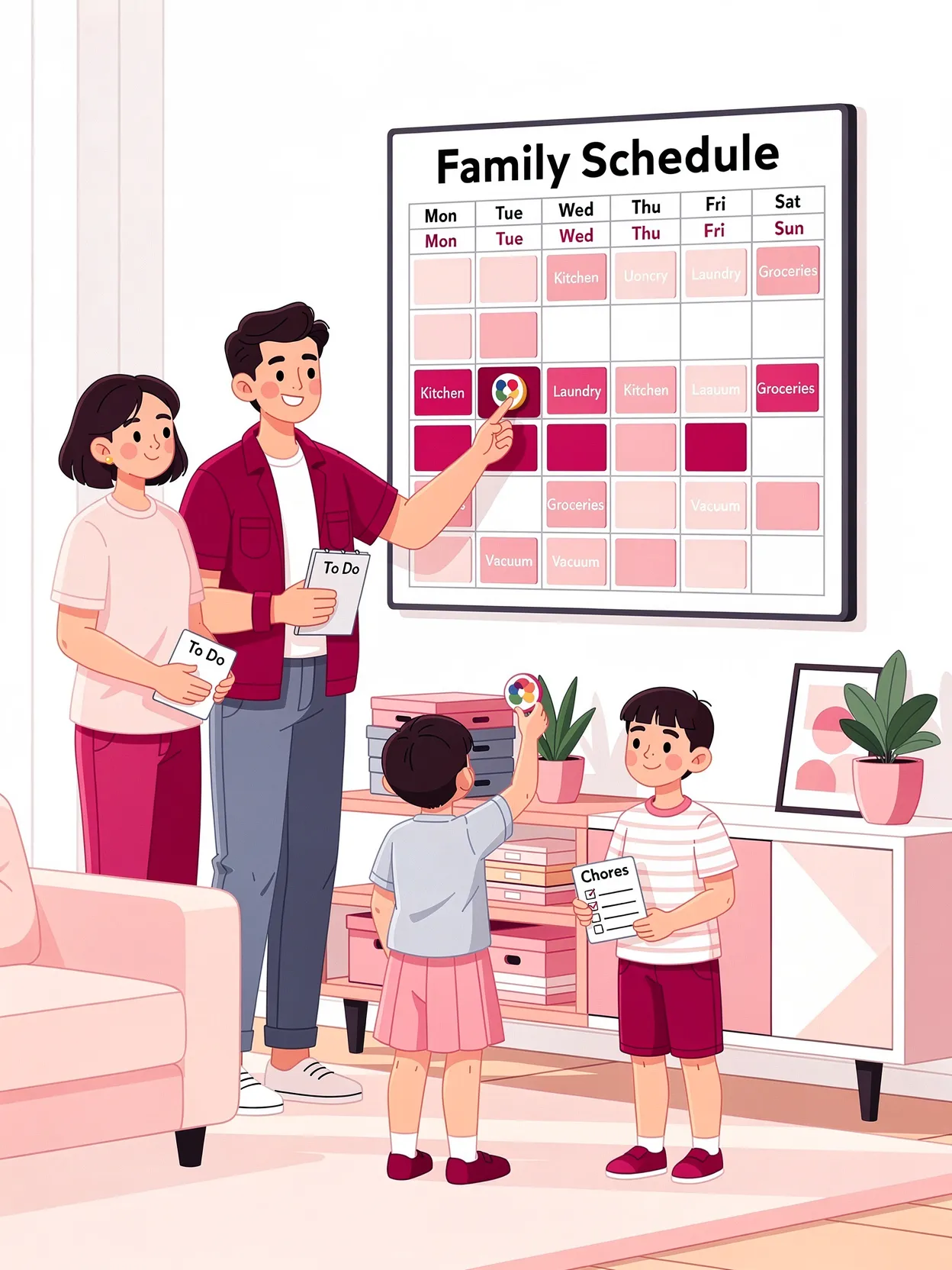
Domestic cleaning needs are often misunderstood because people sometimes connect cleaning frequency to image or social status rather than lifestyle. In reality, the rhythm of home cleaning is usually shaped by how the household functions.
Frequency depends on lifestyle, not status
A home’s cleaning needs are driven by use, not prestige.
A modest household with constant activity may need more regular upkeep than a larger but less-used home. A family with children, pets, and full-time work schedules experiences different cleaning pressures from a single occupant who is away most of the day.
Domestic cleaning patterns are often shaped by:
-
how many people live in the home
-
how often meals are prepared
-
whether people work or study from home
-
how much movement happens between indoors and outdoors
-
how quickly bathrooms and kitchens become heavily used
This is why frequency should be understood as practical rather than symbolic.
Busy professionals and families
Modern households often run on limited time. Even when people are capable of cleaning themselves, time fragmentation changes what is realistically manageable.
For busy professionals and families, domestic cleaning often supports:
-
stability in high-use rooms
-
reduced backlog of essential tasks
-
less weekend recovery spent on catch-up cleaning
-
better maintenance of kitchens, bathrooms, and floors
-
a more manageable day-to-day environment
The issue is not whether people “can” clean. It is whether regular, structured upkeep can realistically compete with work, parenting, commuting, school schedules, and household administration.
Retirees and lower-mobility households
For older adults or people with reduced mobility, domestic cleaning can shift from convenience to practical support.
This is especially relevant where:
-
bending, lifting, or repeated movement is difficult
-
bathroom cleaning creates physical strain
-
vacuuming or floor care becomes tiring
-
maintaining a safe, hygienic home environment takes more effort than before
In these households, domestic cleaning can help preserve independence by reducing the physical burden of upkeep.
The impact of children and pets
Children and pets reshape home cleaning in very practical ways.
They often increase:
-
floor contact
-
surface touching
-
food-related mess
-
hair, fur, and tracked-in dirt
-
laundry-adjacent clutter and daily resets
This does not mean such households are “messy” in a negative sense. It simply means the home experiences more intense daily use. Professional domestic cleaning helps manage that intensity through routine rather than reactive exhaustion.
Why regular upkeep reduces long-term effort?
One of the most practical reasons domestic cleaning matters is that regular upkeep prevents small issues from becoming large ones.
Routine cleaning reduces:
-
hardened build-up
-
ingrained grease and limescale
-
dust accumulation in neglected areas
-
the need for repeated heavy reset sessions
-
the emotional load of constantly “falling behind”
A home that stays within a manageable range of cleanliness is generally easier to live in and easier to maintain.
Eco-Friendly and Health-Focused Domestic Cleaning!
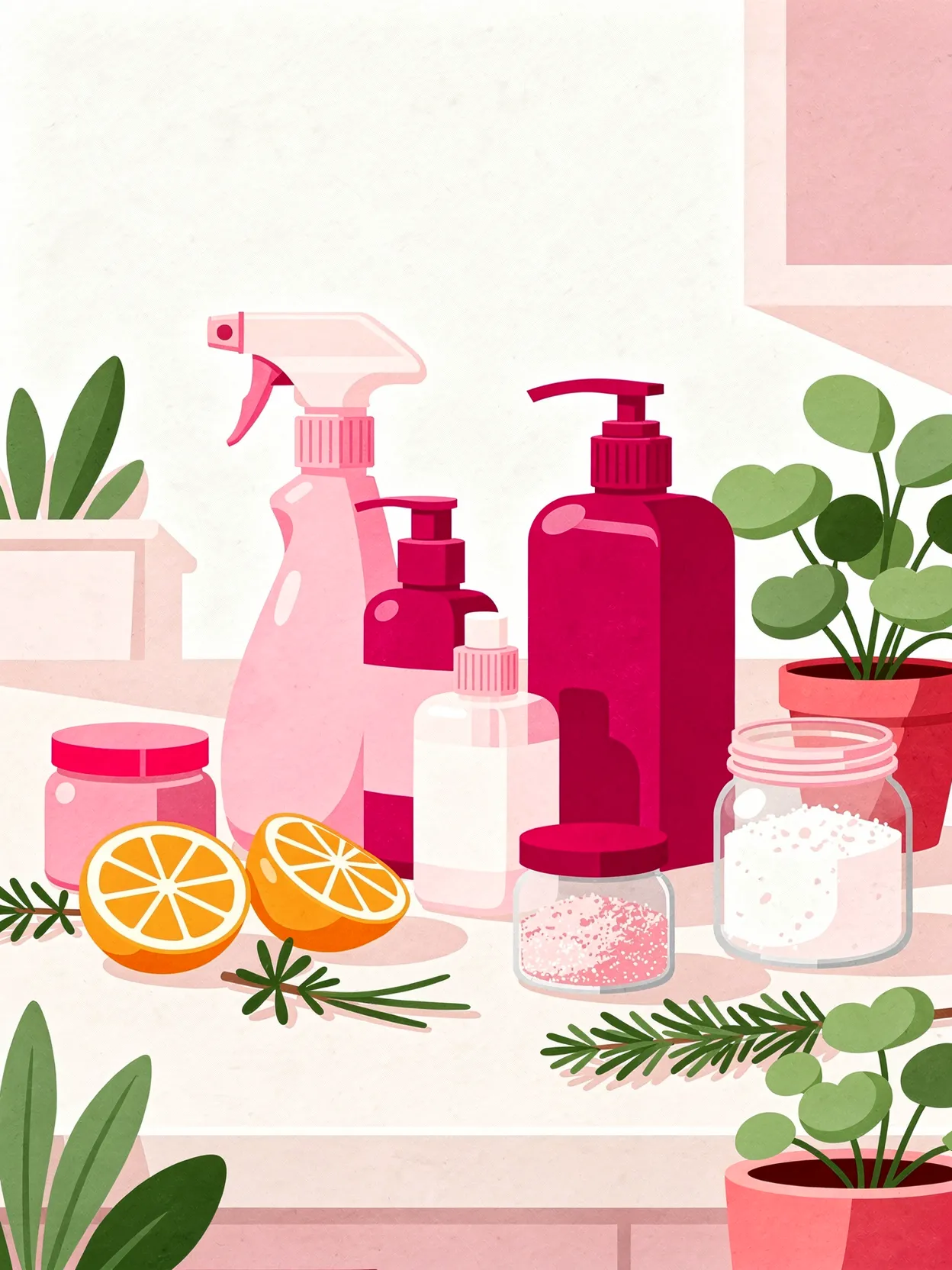
Domestic cleaning increasingly sits inside broader conversations about health, indoor living, and environmental responsibility. In homes, this matters because cleaning products and methods affect the place where people eat, rest, breathe, and spend time with children or pets.
Why product choice matters in homes
In domestic environments, cleaning products do more than remove dirt. They can also leave residues, release strong scents, or affect sensitive individuals differently.
Product choice matters because homes contain:
-
food preparation areas
-
soft furnishings and fabrics
-
enclosed air spaces
-
children who contact floors and surfaces directly
-
pets with more direct exposure to cleaned areas
This makes domestic cleaning different from purely industrial cleaning environments. The method needs to suit everyday living conditions.
Non-toxic and traditional cleaning explained
The discussion around non-toxic versus traditional cleaning is often simplified too much. The more useful approach is to think in terms of appropriateness, exposure, and method.
In practice, health-focused domestic cleaning usually considers:
-
whether a product is necessary for the task
-
whether strong chemical action is proportionate
-
whether correct dilution is being followed
-
whether residue is likely to remain on contact surfaces
-
whether ventilation is considered during and after cleaning
A product is not automatically better because it is labelled “natural,” and it is not automatically harmful because it is conventional. What matters is safe, informed, and appropriate use.
Indoor air quality considerations
People often think of cleaning as something that improves the indoor environment, which is true, but some cleaning habits can also worsen air conditions if they create strong airborne residues or irritants.
Health-focused domestic cleaning should consider:
-
how fragrances affect enclosed spaces
-
whether dust is being captured or just disturbed
-
whether ventilation supports the process
-
whether methods reduce residue rather than spread it
This is especially relevant in bedrooms, living areas, and work-from-home spaces where people spend long periods indoors.
Cleaning for allergy-sensitive households
For households affected by allergies or sensitivities, domestic cleaning often becomes more than visual maintenance. It becomes part of environmental management.
Key concerns can include:
-
dust accumulation
-
pet dander
-
residue on frequently touched surfaces
-
trapped particles in fabrics and soft areas
-
the balance between cleanliness and chemical sensitivity
Professional domestic cleaning can support these households best when methods are chosen with sensitivity, not intensity, in mind.
Eco-friendly domestic cleaning in practical terms
Eco-friendly domestic cleaning should not be reduced to branding language. In real terms, it often means:
-
reducing unnecessary chemical use
-
using products correctly rather than excessively
-
protecting surfaces so they last longer
-
choosing methods that reduce waste and rework
-
cleaning in ways that are safer for people, pets, and the home environment
This makes eco-friendly thinking part of practical household care, not only an ethical preference.
Real-Life Domestic Cleaning Use Cases!

Domestic cleaning becomes easiest to understand when connected to real household situations. These are not case studies or sales examples. They are simply common contexts where structured home cleaning makes practical sense.
Busy working households
In homes where adults are working full-time, often with long commutes or hybrid schedules, domestic cleaning can become difficult not because people do not care, but because available time is fragmented.
In these households, domestic cleaning supports:
-
basic environmental order
-
kitchen and bathroom upkeep
-
prevention of backlog
-
better use of limited time outside work
Homes with children or pets
Households with children or pets tend to experience faster cycles of mess and reset. Floors, surfaces, and shared spaces take more daily impact.
Here, domestic cleaning often matters because it helps maintain:
-
hygiene in contact-heavy spaces
-
control of hair, crumbs, marks, and tracked dirt
-
bathroom and kitchen standards despite constant use
-
a more manageable baseline between daily disruptions
Elderly homeowners and mobility needs
For older adults, home cleaning can become physically demanding even when the desire for a well-kept home remains strong. Domestic cleaning helps bridge that gap by supporting routine environmental care where physical effort may be a challenge.
Essential support during life pressure
There are also times when domestic cleaning becomes important not as a lifestyle preference, but as essential support.
This can apply during:
-
demanding work periods
-
family transitions
-
recovery from illness or fatigue
-
periods of caregiving responsibility
-
times when normal routines are disrupted
In these situations, domestic cleaning supports the functioning of daily life by reducing the burden of environmental upkeep.
Preparing for Professional Domestic Cleaning!
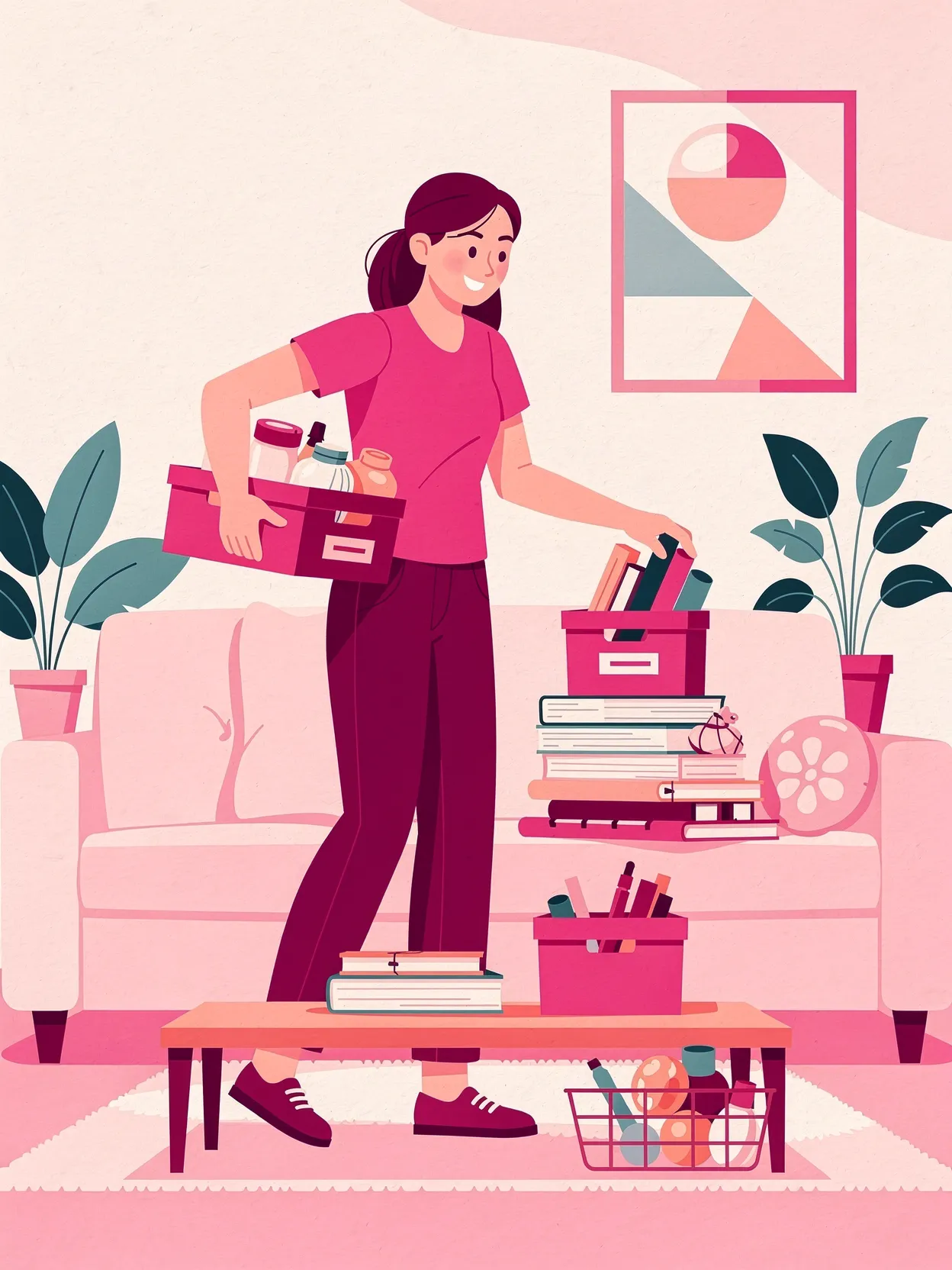
A common source of uncertainty is not knowing how much preparation is expected before cleaning takes place. This often creates unnecessary stress.
Is tidying beforehand necessary?
This depends on what “tidying” means.
In general, professional domestic cleaning is easier and more effective when surfaces and floors are reasonably accessible. That does not mean the home must be made “perfect” in advance. It means that excessive clutter can prevent cleaning tasks from being carried out properly.
A helpful way to think about it is this:
-
cleaning focuses on the condition of the home
-
clutter affects access to that condition
So preparation is not about doing the work twice. It is about making the intended work possible.
What information helps most
Clear information improves outcomes more than overexplaining every detail.
Useful preparation often includes:
-
identifying priority rooms or concerns
-
pointing out delicate surfaces
-
clarifying access limitations
-
mentioning pets, sensitivities, or routine constraints
-
noting what matters most if not everything can be prioritised equally
This kind of information helps create alignment without micromanagement.
How to set priorities without micromanaging?
Some people worry they need to supervise closely for results to be good. In reality, priorities are most useful when they are clear, simple, and realistic.
Helpful priority-setting often sounds like:
-
kitchen and bathrooms matter most
-
pet hair needs extra attention
-
upstairs is lighter use than downstairs
-
a work-from-home room needs to stay stable
-
touchpoints are important because of children
This gives practical direction without turning the cleaning process into constant instruction.
Why preparation improves results?
Preparation improves domestic cleaning because it reduces confusion, protects time, and aligns the process with the household’s real needs. That leads to more consistent and less frustrating outcomes.
Common Myths About Professional Domestic Cleaning!
Myth 1. “Cleaners only clean what you see”
Visible cleanliness matters, but professional domestic cleaning is not only about what stands out at first glance. Good home cleaning also considers touchpoints, build-up zones, surface care, and the logic of maintaining the environment over time.
Myth 2. “Professional cleaning is a luxury”
For many households, domestic cleaning is no longer about indulgence. It functions as support for time, health, mobility, family life, and consistent upkeep in homes that are heavily used.
Myth 3. “DIY achieves the same results”
DIY cleaning can absolutely be effective, especially in well-managed households. The difference is that professional domestic cleaning usually brings structured systems, repeatable routines, method discipline, and a level of consistency that is harder to maintain when cleaning depends entirely on spare time and energy.
Myth 4. “You must be home during the clean”
Some people prefer to be at home. Others do not. The more important issue is clarity around access, trust, and expectations. Domestic cleaning does not automatically require constant presence if systems and responsibilities are already clear.
Myth 5. “Every home should be cleaned the same way”
Homes differ in occupancy, materials, routines, sensitivities, and priorities. Professional domestic cleaning works best when it responds to the household rather than forcing a generic standard onto every home.
Final Thoughts. Domestic Cleaning as Modern Support

Domestic cleaning needs explaining because it is still too often judged through outdated assumptions. It is sometimes treated as casual help, a visual quick-fix, or a luxury associated with appearance rather than function.
A clearer view is more useful.
Professional domestic cleaning is structured support for the modern home. It helps maintain hygiene, order, and livability through consistent methods rather than reactive effort. It supports households shaped by work, family pressure, mobility limits, pets, children, indoor living, and higher expectations of what a healthy home environment should feel like.
It is not best understood as indulgence. It is better understood as practical support for time, health, wellbeing, and long-term home care.
The most important thing readers should take away is this. Good domestic cleaning is not defined only by what looks neat in the moment. It is defined by how well the process matches the home, how clearly expectations are understood, and how consistently the environment is maintained over time.
When expectations are informed, domestic cleaning becomes easier to understand, easier to evaluate, and far more useful as part of modern life.